

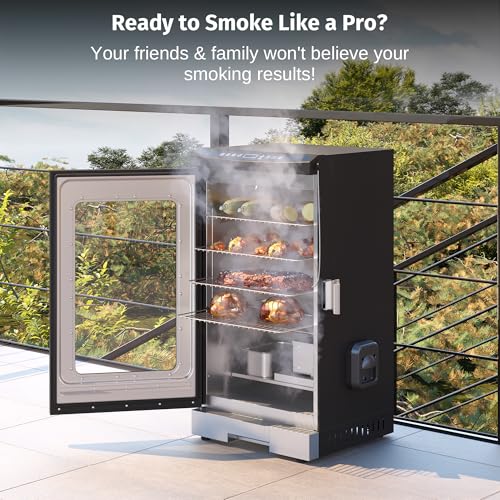
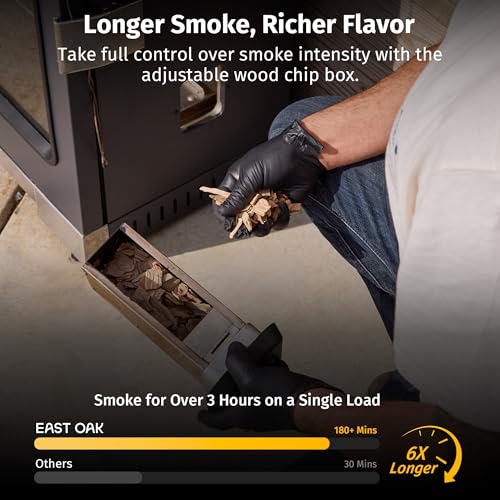
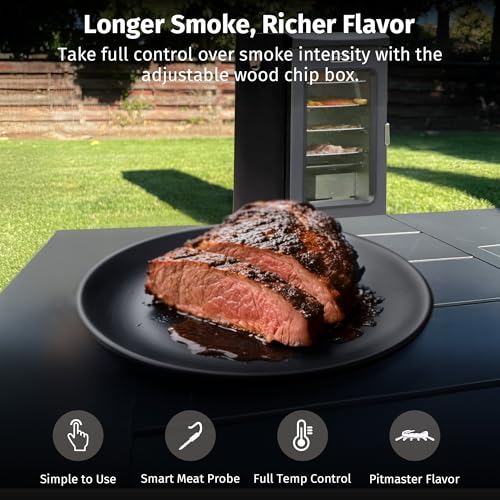
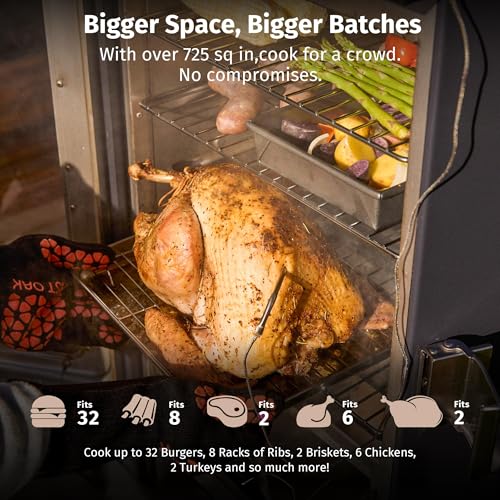










We also considered 10 others:


.png)


Our Top Choice
Compare Features


The order above is not editorial opinion, and it is not paid placement. It comes from what shoppers across our network actually do - which outdoor grills they compare, and which they ultimately buy. We re-rank as new data comes in, so the long-term favorites have to keep earning their spot against new entrants. The full method, including how we make money.
Outdoor Grills Buyer's Guide
Outdoor grills are a tradeoff between heat control, fuel rules, cleanup burden, and the amount of cooking space you can actually use in your yard, patio, campsite, or tailgate setup. The sharpest checks are fuel compatibility and safety clearance first, then whether the grill can hold steady heat, manage grease or ash, and survive outdoor storage without becoming hard to clean or unreliable.
Build
A grill’s build quality determines how well it holds up to heat, weather, movement, and repeated use outdoors. Look for sturdy construction, stable legs or cart design, durable grates and firebox materials, tight-fitting parts, and a finish that resists rust and peeling. Watch out for thin metal, wobbly frames, flimsy handles, or components that feel loose, since those can signal weaker long-term durability.
Prioritize the build around your fuel and storage conditions: propane buyers should check for a stable burner box, secure regulator connection, reliable ignition, and wind-resistant lid fit; charcoal buyers should look for tight dampers, a solid ash system, and enamel or corrosion-resistant steel; smoker buyers should check door seal, rack rigidity, and probe routing; griddle buyers should avoid thin plates that warp or create hot spots. For any outdoor grill, inspect leg stability, handle insulation, wheel locks, grease routing, and whether replacement grates, burners, racks, or trays are easy to find. Owner sentiment supports this focus: shoppers often praise well-made portable propane grills, roomy grill-smoker cookers, dependable electric smokers, practical griddles, and classic charcoal designs when they feel sturdy, start easily, and include useful details like dampers, thermometers, ash catchers, hooks, and solid grates.
Cooking
How well a grill cooks determines whether you can get strong sear marks, even browning, and reliable doneness without constant babysitting. Look for steady heat, enough power for high-temperature searing, good control at lower temperatures, and grates or heat distribution that minimize hot spots and flare-ups. A grill that struggles here may cook slowly, burn the outside before the inside is done, or make it hard to handle common tasks like burgers, vegetables, chicken, and steaks.
Match the cooking system to the food you actually make: burgers and steaks need high direct heat and flare-up control; chicken, potatoes, and family meals benefit from two-zone cooking; smoking needs low-temperature stability, smoke access, and a usable meat probe; breakfast and tortillas need an even griddle surface with adjustable temperature. Do not judge by total heat output alone—look for burner spacing, grate material, lid height, vent control, grease management, and whether the cooking area supports both direct and indirect zones. Owner feedback aligns with these checks, with buyers reporting strong results from propane grills for quick staples, grill-smoker combinations for everyday meals, griddles for pancakes, eggs, bacon, tortillas, and carne asada, electric smokers for tender flavorful meat, and charcoal cookers with strong airflow and temperature control.
Cleaning
A grill that’s easy to clean saves you time after cooking and helps prevent flare-ups, stuck-on residue, and lingering odors from old grease. Look for grates that release food easily, removable grease trays or ash catchers, and accessible interior surfaces; watch out for designs with tight corners, awkward drip paths, or parts that are difficult to remove and scrub.
Choose a grill whose grease, ash, and food residue can be removed without disassembling the whole cooker: propane and griddle models should have slide-out grease trays that do not spill during removal; charcoal grills need a contained ash catcher, not just loose ash in the bowl; smokers need removable racks and accessible interior walls; stainless or porcelain surfaces should wipe down without trapping grease in seams. This matters for safety as much as convenience, because neglected grease trays cause flare-ups and overflowing ash can block airflow or damage finishes. Owner sentiment backs this up: cleanup is repeatedly praised when nonstick griddle surfaces release food easily, temperature controls or parts are removable for sink cleaning, stainless surfaces wipe down quickly, racks and interiors are manageable when cleaned warm, and ash catchers or oil collection parts come out easily.
Ease
You want a grill that feels intuitive from startup to cleanup, because easier controls, clear temperature feedback, and straightforward fuel or ash management help you cook more confidently with fewer interruptions. Look for simple ignition, readable gauges or displays, accessible grates and grease trays, and clear cooking information; watch out for cramped layouts, confusing settings, or maintenance steps that make regular use feel like a chore.
For easy outdoor cooking, look for controls you can manage while food is on the grill: propane needs dependable push ignition and independently adjustable burners; charcoal needs responsive intake and exhaust dampers; smokers need simple temperature controls, a clear display, and probe support; portable grills need latches, handles, and legs that are safe to deploy when hot or greasy. Also check assembly complexity, whether the lid can be opened one-handed, and whether moving the grill changes grease or ash containment. Owners tend to value exactly these practical features, praising straightforward setup, quick starts, simple adjustable controls, useful meat probes, set-and-let-it-work smoking, easy assembly for charcoal newcomers, and versatile cooking modes that let one cooker handle grilling, smoking, roasting, or air-frying style tasks.
Size
Choose a grill that fits both how you cook and where you’ll keep it: the overall footprint affects patio space, storage, and how easily you can move it. Look for enough cooking area for your usual group size, but watch out for oversized grills that are harder to maneuver, store, clean, and use efficiently.
Size the grill by usable cooking layout, not just square inches: confirm how many burgers, chicken pieces, racks, pans, or breakfast items fit without crowding, and make sure there is enough lid height for whole poultry or smoking cuts if needed. For balconies, townhome decks, camping, beach trips, and tailgating, check folded dimensions, carrying weight, side-table footprint, fuel storage, and required clearance from railings, siding, tents, and vehicles. Owner reports support this balance: compact tabletop and folding grills are liked for small yards, balconies, camping, and tailgating, while family-size griddles, 22-inch charcoal cookers, and larger grill-smoker layouts earn praise when they provide enough space for regular meals or group cooking without becoming too bulky to store.
Value
A grill can look like a bargain upfront but cost you in uneven cooking, flimsy materials, poor heat control, or parts that wear out quickly. You want value for money: sturdy construction, dependable performance, useful features you’ll actually use, and a design that suits how often and how you cook. Be wary of paying extra for oversized capacity or add-ons that do not improve your everyday grilling.
The best value is not the most features; it is the grill that includes the durable parts your cooking style will use every week. Pay for heat control, stable construction, corrosion-resistant surfaces, accessible grease or ash systems, a usable thermometer or probe, and grates or racks that are easy to replace; be cautious of oversized grills with thin metal, gimmicky modes, weak carts, or accessories that are hard to clean. Also factor in ongoing costs such as fuel, covers, cleaning tools, replacement trays, and whether a combo grill sacrifices performance in one mode. Owner sentiment supports this value lens: buyers often feel satisfied when compact grills suit small spaces, grill-smoker combos perform well in both roles, charcoal models include practical upgrades like ash catchers and dampers, and stainless-looking or feature-rich grills feel better made and more capable than expected.
1,000,000+ shoppers use Buyer's Guide every week to find the best products and services online.

Helping millions of users make smarter purchases online.


