










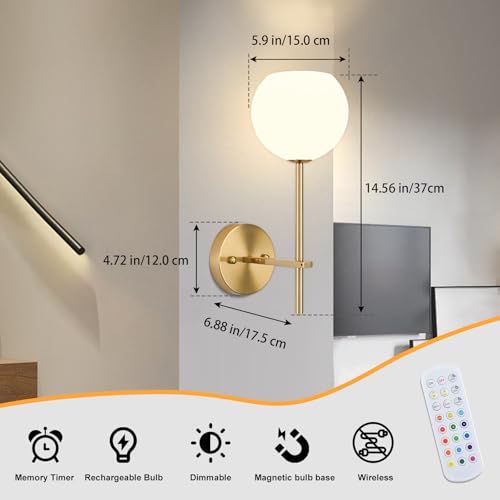
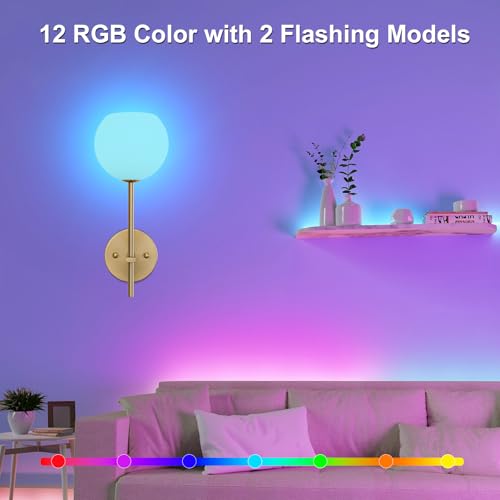


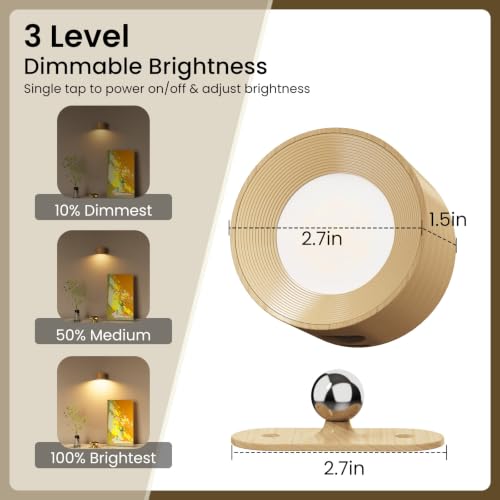


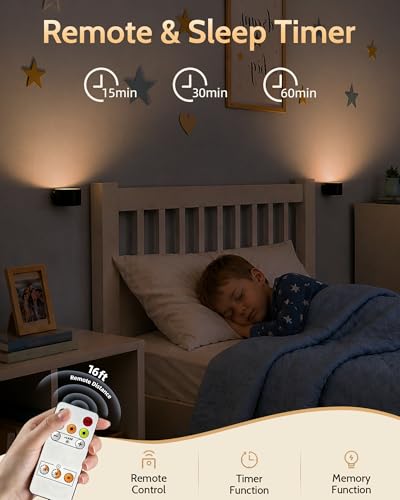


We also considered 10 others:

Our Top Choice
The order above is not editorial opinion, and it is not paid placement. It comes from what shoppers across our network actually do - which battery wall sconces they compare, and which they ultimately buy. We re-rank as new data comes in, so the long-term favorites have to keep earning their spot against new entrants. The full method, including how we make money.
Battery Wall Sconces Buyer's Guide
Battery wall sconces solve the hardwiring problem, but they trade permanent power for recharge management and usually work best as accent, task, or path lighting rather than whole-room illumination. The sharpest buying questions are where the light will mount, how bright it must be, and whether the battery and controls will stay convenient after the novelty wears off.
Light Quality
Battery wall sconces can be excellent accent and task helpers, but their output is constrained by battery size and LED efficiency. The best choice depends on whether the sconce is meant to create atmosphere, guide movement at night, or provide usable light for reading and grooming.
Choose the light package around the job: warm dimmable light for bedside and hallway glow, brighter neutral or cool white for sinks, closets, and reading, and RGB only if mood changes matter more than natural task lighting. Look for multiple dimming steps, selectable white temperatures, and shades or diffusers that prevent glare when the sconce is mounted at eye level; avoid assuming a cordless sconce will replace a hardwired room light. Owner feedback strongly supports this split: shoppers repeatedly liked battery sconces for warm, flexible lighting in hard-to-wire spots, and praised models with multiple intensity levels, warmth options, color modes, and dimmers for moving between ambiance, night-light, reading, and dark-corner use.
Battery Life
Runtime is often the limiting factor in this category because the same battery must support brightness, color features, sensors, and remotes. A sconce used briefly as an accent can feel effortless, while one left on at high brightness every night may become a frequent charging chore.
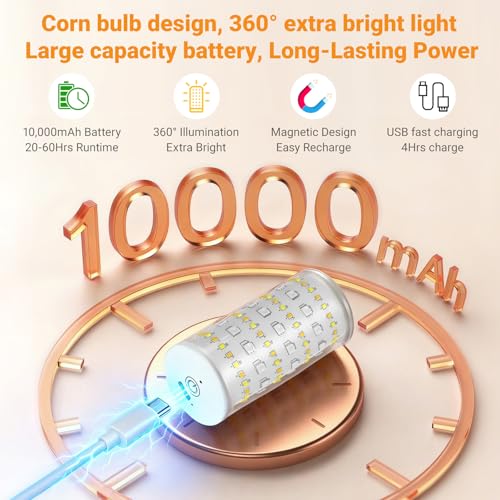
Prioritize rechargeable designs with easy removal, visible charge status, and enough runtime for your actual brightness habits. Magnetic light modules or bulbs are especially practical because you can lift the light off the wall to charge it or use it during an outage, but check that the charging port is accessible and that the fixture still looks finished while mounted. Owner sentiment shows the core tradeoff clearly: rechargeable cordless use is highly valued, magnetic removable designs are praised for convenience, and some owners report long intervals between charges for accent use, while others wish runtime were longer or notice that full brightness drains faster.
Mounting
A battery sconce is only convenient if installation is secure, clean, and compatible with the surface. Poor mounting can lead to crooked fixtures, adhesive failure, blocked charging access, or a polished-looking light that is frustrating to live with.
Match the mounting method to the wall and commitment level: adhesive can be ideal for renters, tile, and temporary placement, while screws are safer for heavier metal, glass, or crystal-style fixtures and for stair or bed-adjacent locations where a fall would matter. Check whether the backplate hides the mount cleanly, whether the sconce can be leveled after installation, and whether you need clearance to remove the battery module for charging. Owners consistently treat setup as a major strength, especially where hardwiring is not available; they praise cordless designs that mount quickly with tape or screws, avoid cords and electricians, and can be moved when placement needs change.
Controls
Controls determine whether a cordless sconce feels like part of the room or like a gadget you have to manage. Sensors, timers, remotes, and dimmers each solve different problems, and the wrong control style can make an otherwise attractive light annoying in daily use.
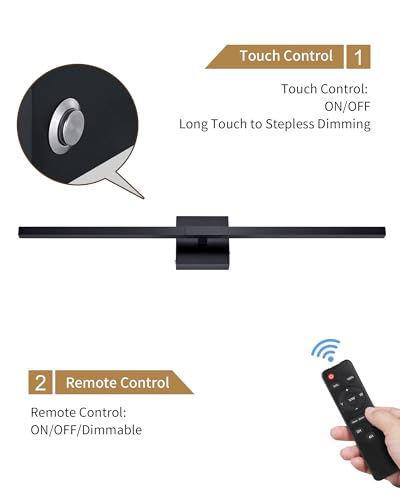
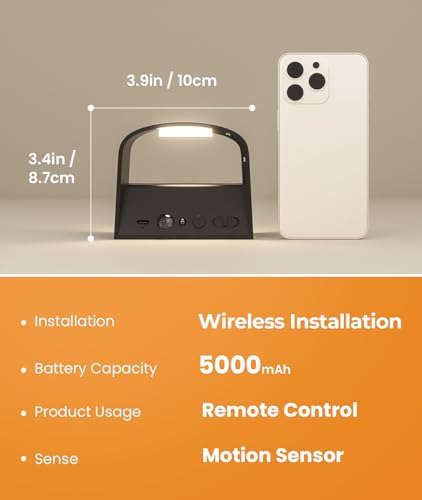
Decide whether you need hands-free activation, remote mood control, or simple on-fixture buttons before buying. Motion sensors are best for stairs, closets, hallways, and night paths, but they must face the traffic path and should not be blocked by shades or furniture; remotes are better for paired bedside, TV-wall, gallery-wall, or dining accent setups where you want dimming, color temperature, timers, or synchronized control from a seat. Owner reports back this up: motion sensors are praised for quick night-light and closet use, while remotes, timers, dim-to-bright settings, adjustable color temperatures, and control of multiple lights are repeatedly described as convenient and generally reliable.
Style Build
Battery sconces are often bought to avoid wiring while still looking like real decor. Build quality, finish, shade design, and how well the battery components are hidden can separate a tasteful fixture from one that looks temporary.
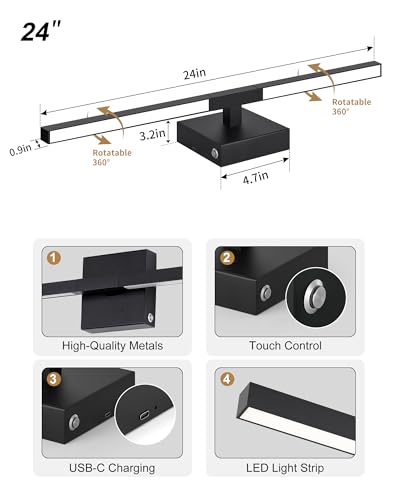
Treat style and material as functional, not just decorative: metal backplates, stable arms, aligned shades, and clean diffusers help the sconce look intentional rather than like a temporary stick-on light. For accent walls, artwork, TV areas, and bedrooms, choose a finish and shade shape that hides the battery module and complements nearby hardware; for bathrooms or sink areas, be cautious about moisture exposure unless the light is specifically suited to that environment. Owner sentiment is especially strong here, with many shoppers saying cordless sconces made rooms feel polished, cozy, modern, glamorous, or more elevated than expected, and several praising sturdy metal fixtures, premium-feeling builds, and better-than-basic appearance.
1,000,000+ shoppers use Buyer's Guide every week to find the best products and services online.

Helping millions of users make smarter purchases online.


