We also considered 10 others:
Our Top Choice
The order above is not editorial opinion, and it is not paid placement. It comes from what shoppers across our network actually do - which bathroom fans they compare, and which they ultimately buy. We re-rank as new data comes in, so the long-term favorites have to keep earning their spot against new entrants. The full method, including how we make money.
Bathroom Fans Buyer's Guide
Bathroom fans are a tradeoff between quiet operation and real ventilation: the best unit is not simply the quietest one, but the one that can move enough air through your actual duct run to clear shower steam. For this niche, the sharpest buying concerns are correct airflow sizing, retrofit fit in the ceiling, and moisture-safe electrical and lighting choices that will not become the next failure point.
Airflow Fit
Bathroom exhaust performance depends on the whole ventilation path: fan capacity, duct size, duct length, bends, and exterior termination. Undersizing leaves humidity on mirrors, walls, and paint, while oversizing through a poor duct path can create noise without delivering the expected moisture removal.
Size the fan to the room and the duct path, not just the label. A common baseline is about 1 CFM per square foot for standard bathrooms, but larger rooms, high ceilings, enclosed shower areas, long duct runs, multiple bends, or small ducts often need more capacity; reducing a fan into an undersized duct can make it louder and weaker. Look for a fan that publishes its rated airflow clearly, match the duct diameter, and avoid assuming a quiet fan is effective if reviews suggest weak pull. Owner feedback strongly supports this: many buyers liked strong air movement and effective steam clearing, but airflow was also the main watch-out, with some saying a quiet unit did not pull enough air or did not feel as strong as its stated CFM.
Quiet Run
Fan noise is especially noticeable in small tiled rooms where hard surfaces amplify sound. A quieter fan is more likely to be used long enough after a shower, but only if it still has enough airflow to remove humidity.
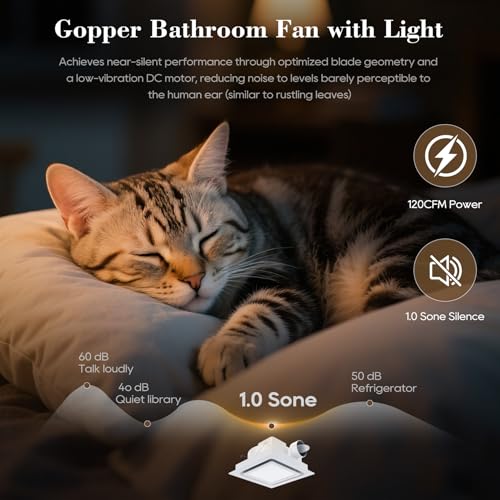
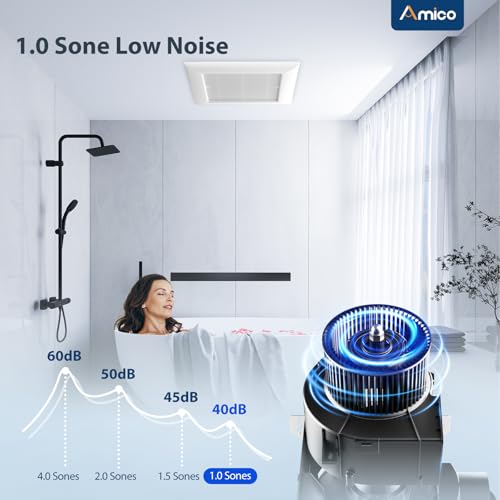
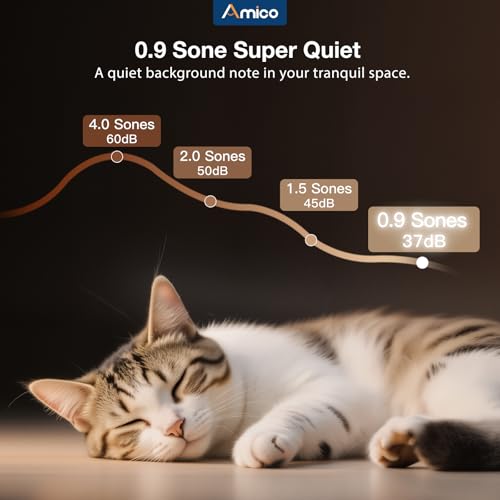
Compare sound ratings in sones and judge them alongside airflow. For a primary bathroom, very low-sone models are worth prioritizing, but avoid choosing silence at the expense of steam removal; a weak fan can seem quiet simply because it is not moving much air. Better choices use balanced blower wheels, solid housings, vibration control, and proper mounting so they stay quiet after installation. Owner sentiment makes quietness one of the clearest separators in this category, with many buyers describing newer units as genuinely quiet or near-silent compared with older builder-grade fans, while still expecting them to move plenty of air.
Retrofit Fit
A bathroom fan can be easy or frustrating depending on whether it matches the ceiling cavity and duct layout already in place. Poor fit can force drywall cutting, duct changes, attic access, or visible gaps around the grille.
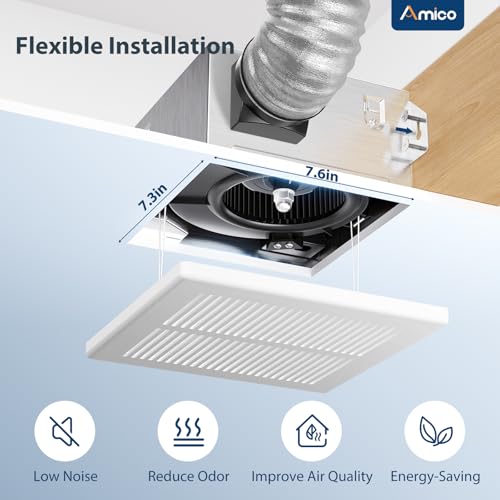
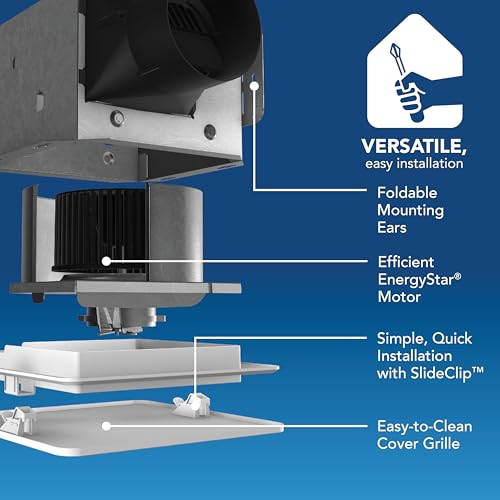
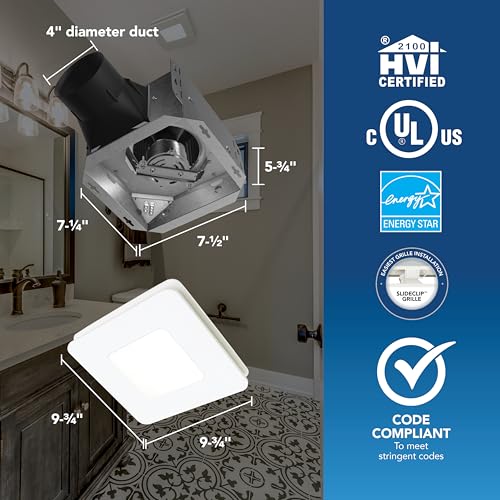
Before buying, measure the existing ceiling cutout, housing depth, joist spacing, duct diameter, and outlet direction. For replacements, look for room-side installation, a housing that matches or covers the old opening, an included or compatible damper, quick-connect wiring, and duct connections that do not require awkward reducers. Slim housings help in shallow ceilings and remodels, while a flush grille can hide rough edges around the opening. Owner reports repeatedly praised quick swaps, installer-friendly wiring and ducting, slim profiles, and units that fit smaller bathroom openings, making installation fit a major differentiator.
Moisture Controls
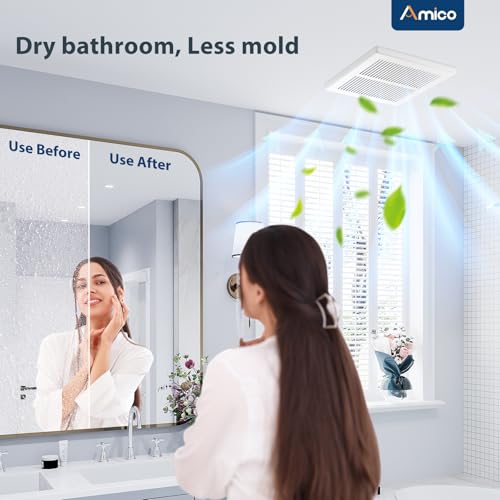
Moisture control is not only about peak airflow; it is also about run time and safe installation in a wet environment. Good controls help prevent lingering humidity that can lead to mildew, peeling paint, swollen trim, and mirror fogging.
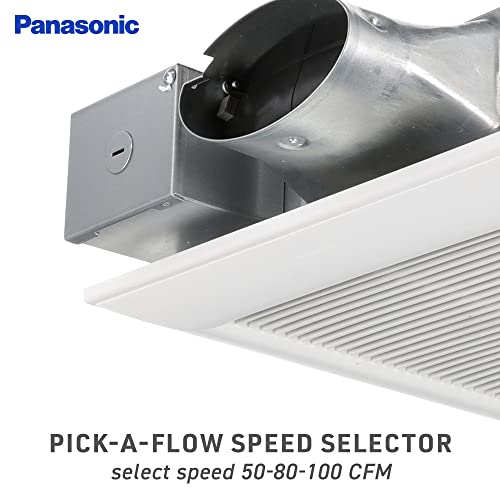
Choose controls that make the fan run long enough to dry the room: a timer switch, humidity sensor, or adjustable speed setting can be more effective than relying on someone to remember to turn it off later. For shower or tub areas, confirm the fan is rated for that location and wired with the protection required by local code; the exhaust must terminate outdoors, not into an attic or wall cavity. A backdraft damper also matters because cold air and humid return air can undermine performance. Owners liked adjustable fan speeds because they could tailor airflow to the room, and they praised units that removed shower humidity effectively, though some still reported heavy steam buildup when performance did not match the bathroom’s needs.
Light Reliability
Bathroom fan lights are exposed to humidity, heat cycles, and frequent switching. A well-designed light kit can simplify a ceiling update, but a non-serviceable LED can shorten the useful life of an otherwise functional fan.
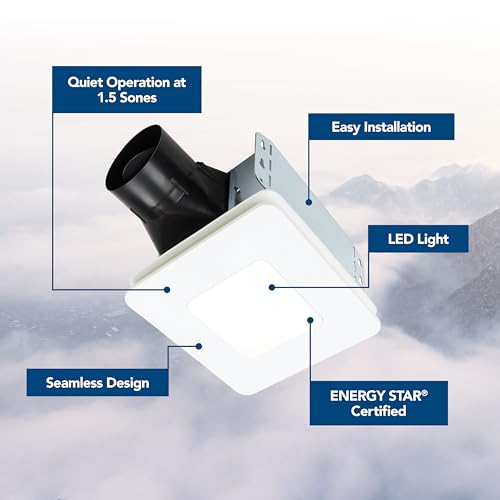
If choosing a fan-light combo, check whether the LED module is replaceable, what color temperature it uses, and whether the light output is enough for the room or only supplemental. Daylight-white LEDs can make a bathroom feel brighter, but integrated lighting can become a liability if the module fails and replacement parts are hard to source. Also consider whether the fan and light can be switched separately, since combined wiring is not ideal for every bathroom. Owner feedback was positive on bright, useful bathroom coverage, but reliability was more uneven, with some buyers reporting LED issues after a few months.
Build Quality
A bathroom fan lives in a damp, dusty environment and may run every day. Better construction helps preserve airflow, limit rattles, and reduce the chance that the motor, damper, grille, or light becomes the weak point.
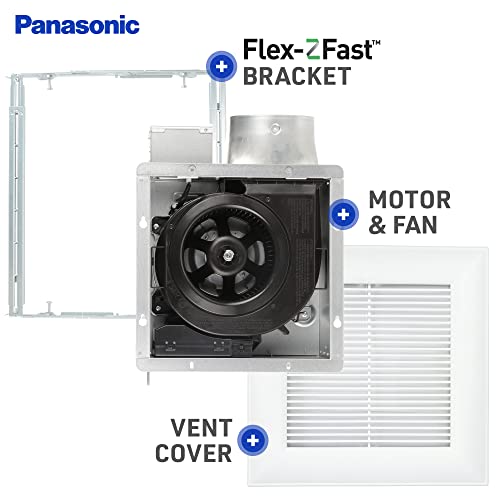
Look beyond the grille and check the motor rating, housing material, blower design, damper, and whether the unit is suitable for continuous or frequent use. A sturdier housing and better-balanced blower reduce vibration, while accessible parts make cleaning lint from the grille and blower easier over time. Avoid overly flimsy units if the bathroom is used heavily or if the fan will run daily after showers. Owner sentiment supports build as a real separator: buyers often associated better units with a sturdier, more premium feel and a clean upgrade, while a smaller number reported uneven long-term reliability.