Our Top Choice
Why These Features Matter:
A bathroom fan with a light is one of those quietly consequential household choices. It’s not decorative. It’s not thrilling. And yet it decides, daily, whether the mirror is a foggy mess, whether towels smell vaguely like a locker room, and whether the ceiling stays politely matte instead of developing that slow-blooming mildew constellation.
The good ones disappear into the background: you flip a switch, the room brightens, the steam leaves, and nobody comments on it. The bad ones become part of the household’s soundtrack — a rattly hum that makes midnight tooth-brushing feel like standing next to a small prop plane.
What “Quiet” Actually Means (and Why It’s Not Just a Luxury)
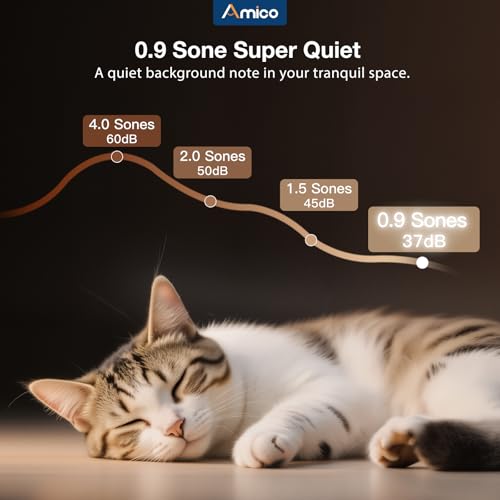
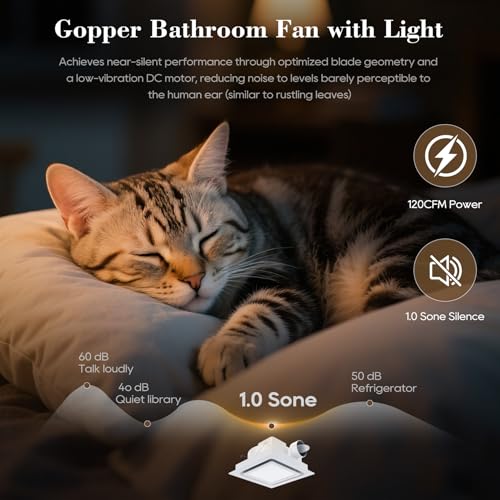
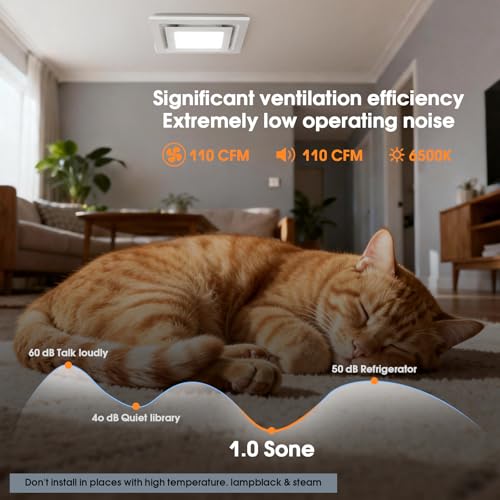
Noise is the feature that shapes your relationship with a bath fan more than any spec sheet. A fan can be powerful, efficient, and perfectly installed — and still make everyone avoid using it because it’s annoying. That’s how you end up with peeling paint and lingering shower air.
- Look for low-noise models if the bathroom is near bedrooms. Morning routines and sleeping partners have a complicated relationship with loud ventilation.
- Beware the “quiet… once installed correctly” caveat. Even a well-rated fan can sound louder if the housing isn’t seated snugly or the duct run is awkward. Translation: part of “quiet” is product, part is installation.
- Listen for tonal quality, not just volume. A steady whoosh fades into the background; a high-pitched whine or vibration reads louder than it measures.
Light Quality: Bright Enough to Shave, Kind Enough at Midnight
Bathrooms are where lighting goes to be cruel. Overhead glare plus mirror shadows can make everyone look like they’re auditioning for a vampire film. A fan-light combo can fix that, but only if the light is actually usable.
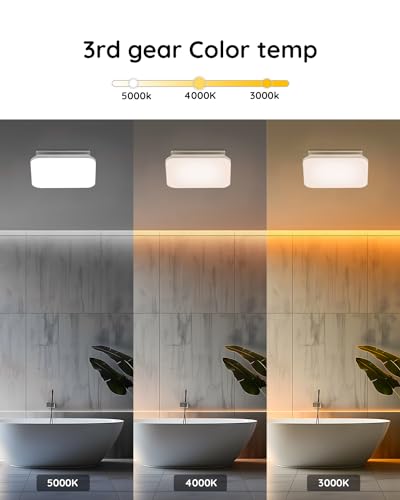
- Choose a pleasant color temperature. Warm-to-neutral white tends to feel more human. Very cool light can be motivating, but it also makes the bathroom feel like a break room.
- Dimming matters more than expected. Non-dimmable lights are fine until someone turns it on at 2 a.m. and the entire household wakes up spiritually.
- Lens design affects comfort. A well-diffused cover softens the room; a bare, harsh point of light highlights every water spot on the mirror.
Small reality check: integrated LED fixtures are convenient and efficient, but if the LED module fails, it’s not always as simple as replacing a bulb. That’s not a dealbreaker — just a “keep the receipt and know what you’re buying” situation.
Humidity Control: The Difference Between “Fine” and “Actually Works”
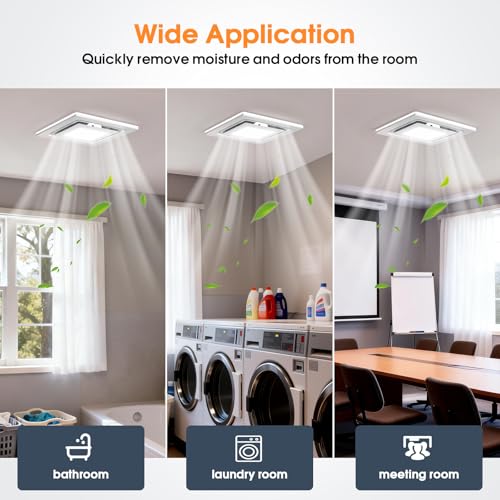
A fan that moves air is one thing. A fan that clears a post-shower cloud before it settles into grout lines is another. The practical goal: the room should feel normal again quickly, not 40 minutes later.
- Match fan strength to room size. An underpowered unit in a big bathroom is like opening one window in a steamy kitchen — technically helpful, emotionally insufficient.
- Consider humidity-sensing controls. They’re especially good for households where the fan “should” be turned on but mysteriously never is. Automatic run time keeps the peace and the ceiling intact.
- Timers beat good intentions. A switch timer is one of the most civilized bathroom upgrades: set it, leave it, stop arguing about it.
Controls That Don’t Make Everyone Hate the Fan
A fan-light combo succeeds or fails at the wall switch. If the control scheme is confusing, people will default to the fastest option — usually “light only,” which defeats the point.
- Separate controls are ideal. Light and fan on different switches (or a two-function control) lets someone keep the room bright without the noise, or vent without turning on the full sun.
- Night-light modes are genuinely useful. Not for ambiance — for not stepping on a bath toy in the dark.
- Smart features are optional, not mandatory. App control can be nice, but the bathroom is not where anyone wants to troubleshoot Wi‑Fi pairing.
Installation Details People Only Learn the Hard Way
Bathroom fans are deceptively dependent on the unglamorous stuff: ducting, vent placement, and how much space exists above the ceiling. A gorgeous unit can’t fix a bad vent run.
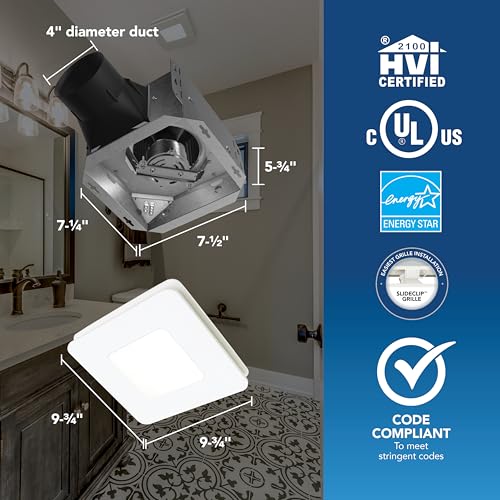
- Duct size and route matter. Shorter, straighter duct runs vent moisture more effectively and can reduce noise. Long runs with lots of bends can turn a strong fan into a polite suggestion.
- Think about access. Some housings are easier to install in tight ceilings or retrofit situations. If the bathroom is in an older home with mysterious framing choices, “easy access” stops being a nice-to-have.
- Check the grille style and cleaning ease. Grilles that pop off without drama get cleaned; grilles that fight back collect dust until they look like a lint sweater.
Honest caveat: a truly quiet fan often relies on careful installation (secure mounting, proper ducting). If the plan is a quick DIY with minimal attic gymnastics, expectations should be calibrated.
Maintenance: Dust Happens, Hair Product Happens, Life Happens
Bathrooms create residue. It’s their hobby. Fans accumulate dust, and lights attract bugs with a kind of inevitability that feels personal.
- Prioritize wipeable finishes. Textured plastic grilles hide dust until they suddenly don’t.
- Look for easy-access compartments. If cleaning requires tools and determination, it won’t happen often.
- Consider replacement parts availability. The best long-term fans are the ones that can be maintained without a scavenger hunt across obscure forums.
Design: “Disappear Nicely” Is the Assignment
A bath fan with a light should blend in, not demand attention. The ceiling already has enough going on (sprinklers, vents, questionable paint lines). A clean grille and a simple lens read modern and intentional, even in a rental.
- Low-profile grilles feel calmer. Big protruding domes can make a ceiling look busy.
- White is safe, but not always matching. Some whites skew blue, some creamy. If the bathroom has warm paint or vintage tile, stark white can look oddly clinical.
- Choose a style that won’t date instantly. The bathroom is not the place for trendy shapes that will feel weird in two years.
Things to Know Before Buying (So the Fan Doesn’t Become a Regret)
- Don’t assume one switch is enough. Separate fan/light control makes daily life smoother.
- Plan for the room you actually have. Small bathrooms can be overwhelmed by overly bright lighting; large bathrooms can swallow weak ventilation.
- Pay attention to how the light is serviced. Replaceable bulb fixtures are straightforward; integrated LEDs are lower-maintenance until they aren’t.
- Noise complaints often trace back to installation. A “loud fan” can be a “rattly mount” or “bad duct” problem in disguise.
A Sensible Shopping Filter (Quick Guidance)
For most homes, the sweet spot looks like this: a genuinely quiet fan, a light that flatters without glaring, and controls that reduce friction (timer and/or humidity sensing). Everything else — Bluetooth speakers, elaborate smart routines — is optional, and often more annoying than helpful in a room where hands are wet and patience is low.
The goal is simple: turn it on without thinking, and have the bathroom feel dry, bright, and normal again before anyone has time to complain about it.