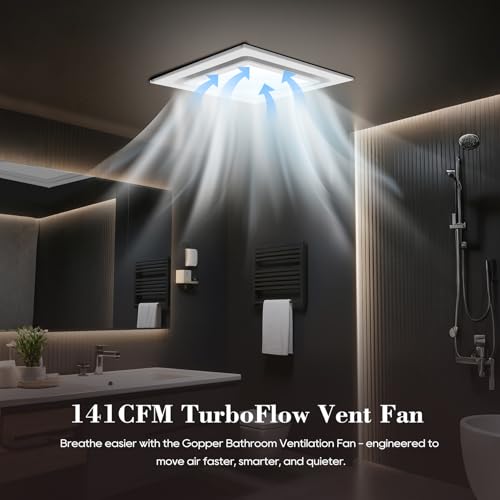
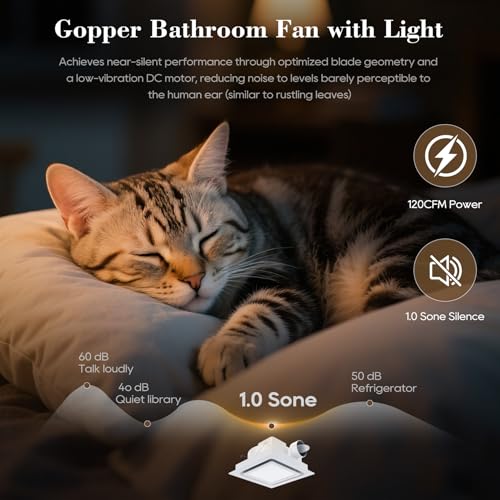
Our Top Choice
Why These Features Matter:
A bath fan is one of those household objects nobody shops for until something goes wrong: the mirror stays foggy for 45 minutes, the ceiling starts collecting little constellations of mildew freckles, or the bathroom smells like a middle-school locker room no candle can defeat. A good one disappears into the background — quietly, quickly, reliably — and makes the room feel cleaner than it technically is.
The trick is that “good” depends on how a bathroom is actually used. Some bathrooms are tiny boxes where shower steam hits every surface at once. Others are large, pretty, and doomed by a door that always gets left open because kids/pets/partners can’t cope with closed doors. And some of us live in apartments where any noise over a whisper sounds like a jet engine in a tiled echo chamber.
What a Great Bath Fan Feels Like in Daily Life
It’s less about raw power and more about behavior. The best bath fans clear steam before it has time to settle into grout lines and towel piles. They don’t rattle. They don’t scream. They don’t demand that someone remember to turn them off (or remember to turn them on, which is the real issue). The best ones make the bathroom feel like it has a reset button.
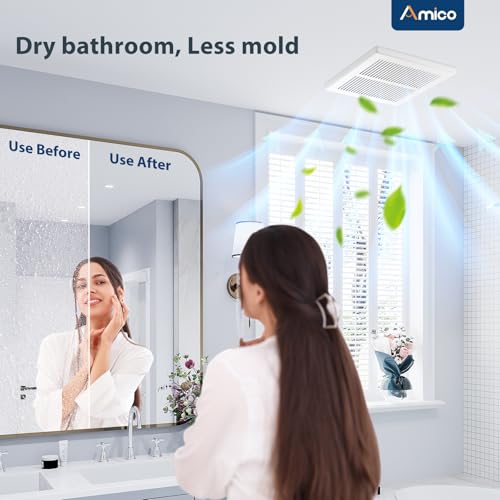
- Steam clears fast — mirrors recover, walls dry, towels don’t feel damp by dinner.
- The sound is tolerable — more soft whoosh than dentist-drill whine.
- It doesn’t become a new chore — filters/grilles aren’t a monthly rage-cleaning project.
- No weird vibrations — because nothing ruins a calm shower like a ceiling buzzing like a trapped wasp.
Noise: The Difference Between “Fine” and “Why Is It Yelling?”
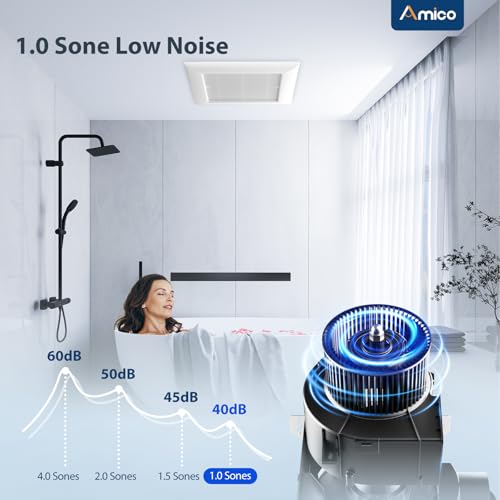
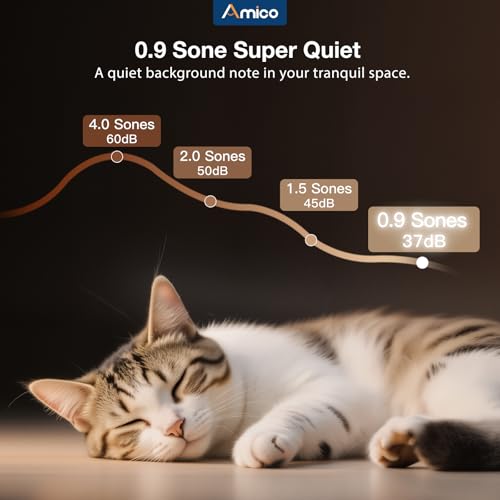
People think they want “quiet,” but what they actually want is pleasant. A bath fan can be technically low-noise and still annoying if the tone is sharp or the housing rattles against framing. The most livable fans sound like steady airflow — a consistent hush that doesn’t change pitch halfway through your shower.
- Listen for the quality of sound: a low, even rush beats a higher whine every time.
- Vibration matters: in older houses (or any bathroom with slightly flimsy drywall), a fan can transmit a hum that feels louder than it measures.
- Bathrooms amplify everything: tile + small space = instant echo chamber. “Moderate” noise in a hallway becomes “airport gate” in a powder room.
Airflow That Actually Matches the Room (Not the Fantasy of It)
The goal isn’t just moving air; it’s moving humid air out before it clings to paint, wood trim, and that one corner above the shower that always looks a little suspicious. The right airflow is the one that keeps the room from staying damp — especially after long showers, baths, or the back-to-back morning routine of multiple people.
- Small bathrooms need less brute force than you think — but they need consistency. A fan that runs reliably every day does more than a “powerful” one nobody uses because it’s annoying.
- Big bathrooms (or bathrooms with high ceilings) often need more airflow than people expect; otherwise steam just hangs out up top like it pays rent.
- Steam source matters: rainfall shower + glass enclosure = intense humidity spike; a fan that merely “vents” won’t feel like enough.
Timers: The Feature That Saves Ceilings (and Relationships)
A timer switch is one of those small upgrades that makes a bathroom feel oddly civilized. It’s also the difference between “the fan runs for five minutes” and “the fan runs long enough to actually dry the room.”
- Look for easy, brain-off presets: the best timers are set-and-forget — tap 20 or 30 minutes and walk away.
- Good for kids’ bathrooms: no one has to remember anything, and the room doesn’t slowly turn into a terrarium.
- Good for nighttime showers: the fan can keep working after the lights go out without leaving it running until morning.
Small caveat: Some timer switches feel oddly finicky (tiny buttons, confusing LEDs, too-bright indicators). Worth choosing one that can be operated half-asleep.
Humidity Sensors: Brilliant, Occasionally Annoying
Humidity-sensing fans are the set-it-and-forget-it option for people who would like the bathroom to manage itself. They kick on when the air gets damp and shut off once things calm down. In theory, perfect. In reality, they can be a little too earnest — turning on during a hot summer day, or running longer than expected because the bathroom never fully “dries” with the door closed.
- Great for forgetters: the fan comes on even when nobody remembers the switch.
- Helpful in bathrooms without windows: the room doesn’t get that constant clammy feeling.
- Less great for light sleepers: a fan that decides to start up on its own can feel vaguely haunted at 2 a.m.
Things to know: Adjustable sensitivity is key. Bathrooms vary wildly; what counts as “humid” in one home is just “Tuesday” in another.
Lighting Built In: Convenient, But Choose the Vibe Carefully
Fans with integrated lights can solve a very real bathroom problem: not enough ceiling real estate. They’re also the fastest way to ruin a bathroom’s mood if the light is harsh, too cool-toned, or weirdly dim. The best versions give a clean, flattering light and don’t flicker, buzz, or make everyone look slightly ill.
- Brightness should match the job: makeup/shaving wants clear light; a guest bath can get away with softer ambiance.
- Color temperature matters: overly cool light makes bathrooms feel like a gas station; overly warm can feel gloomy when cleaning.
- Night-light modes are genuinely useful: nobody needs a full spotlight for a 3 a.m. trip.
Honest caveat: Integrated-light units can be harder to “fix with a quick bulb swap.” If the lighting annoys you, it’s not as simple as changing a lamp.
Installation Reality: The Fan Is Only as Good as the Setup
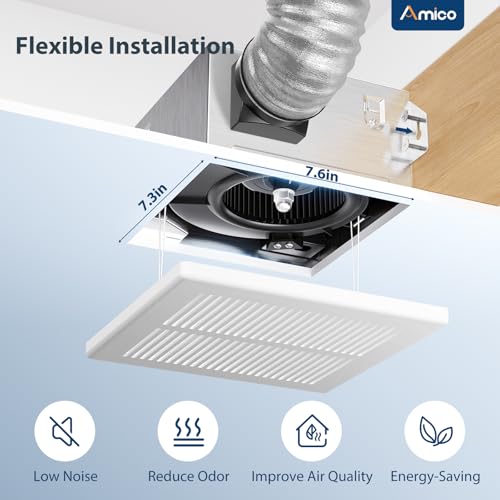
This is the part that gets ignored until it becomes the whole story. A bath fan can be fantastic on paper and miserable in practice if the ducting is wrong, too long, kinked, or venting somewhere it shouldn’t (like into an attic, which turns into a moisture festival no one asked for).
- Good ducting = real performance: smooth, properly routed venting makes even a modest fan feel capable.
- Rattles often come from installation: a perfectly fine fan can sound cheap if it’s not secured well.
- Access matters: some bathrooms make replacement easy; others require a level of ceiling gymnastics that turns “simple upgrade” into “project.”
Things to know: In many homes, paying for competent installation does more for day-to-day happiness than splurging on a fancier model.
Cleaning and Maintenance: The Part Nobody Brags About
Fans collect dust in a way that feels personal. The grille becomes a fuzzy gray sweater, airflow drops, and suddenly the fan sounds louder because it’s straining. A fan that’s easy to pop open and wipe down is the one that will stay quiet and effective.
- Choose a grille you can remove without a fight: spring clips are common; the good ones don’t feel like they’ll snap.
- Smooth surfaces help: intricate designs look nice and trap dust like it’s their job.
- Plan for a quick clean: a vacuum attachment + damp cloth should handle most of it.
Honest caveat: If the fan is mounted high over a tub, maintenance becomes a ladder situation. That means it won’t happen often. Pick something forgiving.
Small-Bathroom vs. Big-Bathroom Priorities
Bathrooms are oddly specific ecosystems. What works in a tight city apartment bath (where every decibel feels doubled) may feel underpowered in a sprawling primary suite that holds onto steam like a conservatory.
- Tiny bathroom: prioritize pleasant noise, quick steam clearing, and a timer. Overly powerful airflow can feel drafty and loud in a very small room.
- Large bathroom: prioritize stronger ventilation and smart controls (timer or humidity sensor), especially if the shower is far from the fan.
- Windowless bathroom: prioritize reliability and automation; the fan is basically your “window.”
Honest Caveats (Because Bathrooms Are Humbling)
- A quiet fan won’t fix a damp towel pile: ventilation helps, but towels still need space and time to dry.
- Fans don’t erase bad habits: if the door stays shut and the fan never runs long enough, mildew will keep auditioning for the ceiling.
- Some noise is normal: a little airflow sound is the point. Dead silent sometimes means it’s not moving much air — or it’s moving it in a way you won’t notice until the paint starts peeling.
How to Choose Without Spiraling
- Start with your actual problem: lingering steam, lingering smells, or both. Steam control usually demands longer run time (timer) and consistent use.
- Pick your control style: timer for simplicity; humidity sensor for automation; basic switch if you’re disciplined (or optimistic).
- Prioritize sound quality over bragging rights: a tolerable fan gets used; an annoying fan gets ignored.
- Don’t ignore the install: even the nicest fan can be kneecapped by poor venting.
The Bottom Line
The best bath fan is the one that makes the bathroom feel like it dries itself — without sounding like it’s trying to take off. Choose for real life: rushed mornings, long showers, doors left ajar, damp bath mats, and the particular acoustic magic of tile. A little practicality here pays off in a bathroom that stays fresher, longer — and a ceiling that doesn’t slowly turn into a science project.