



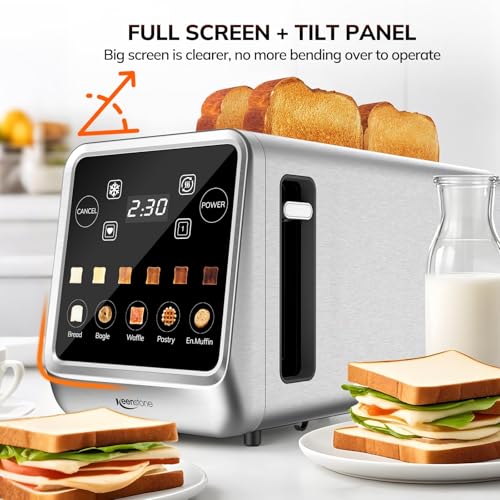


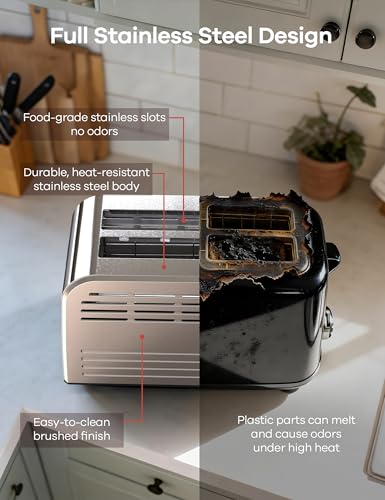


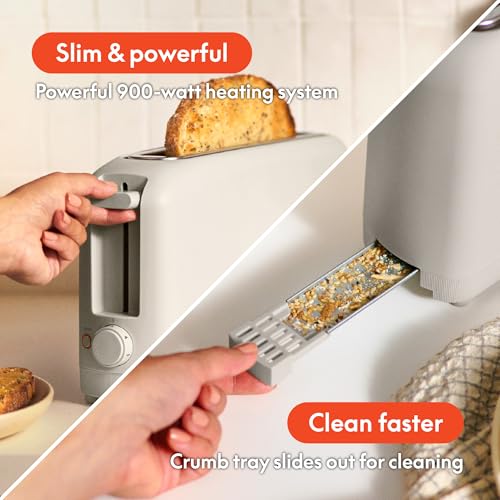


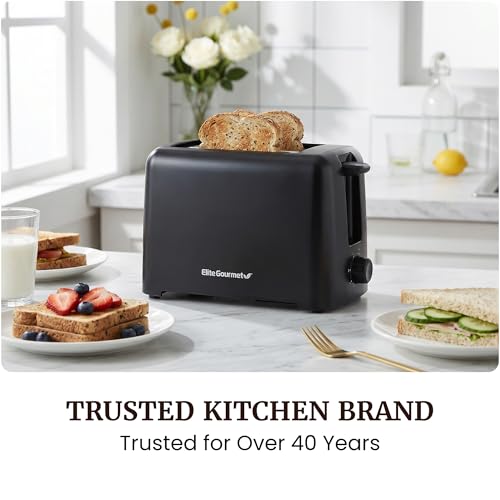


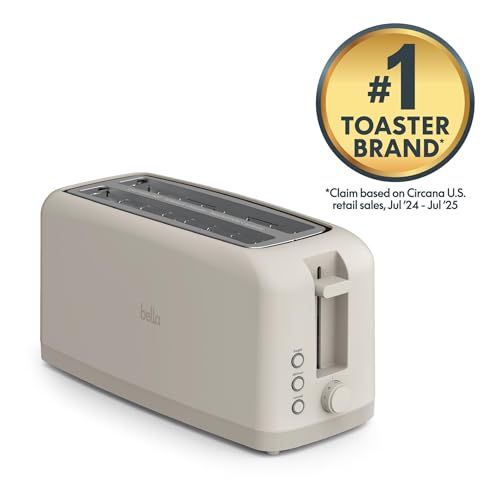


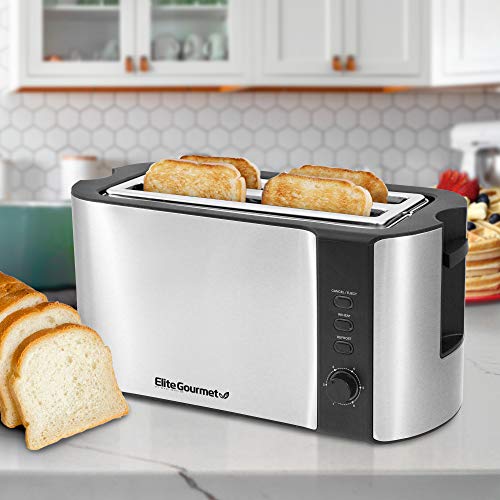
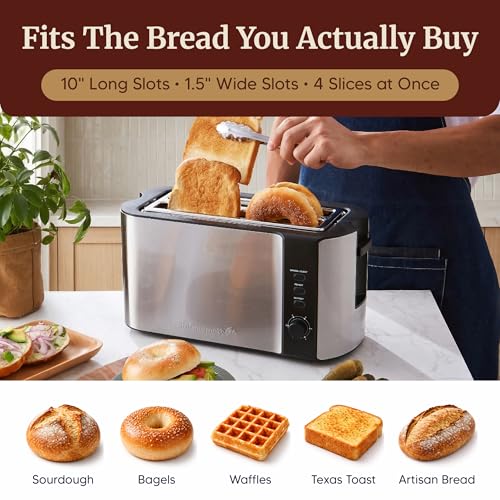


We also considered 10 others:


Our Top Choice
Compare Features


The order above is not editorial opinion, and it is not paid placement. It comes from what shoppers across our network actually do - which bagel toasters they compare, and which they ultimately buy. We re-rank as new data comes in, so the long-term favorites have to keep earning their spot against new entrants. The full method, including how we make money.
Bagel Toasters Buyer's Guide
Bagel toasters have to solve a different problem than ordinary slice toasters: they must fit thick, uneven halves while browning a dense cut face without scorching the crust. The biggest checks are slot geometry for real bagel clearance and browning controls that stay consistent across bagels, waffles, sourdough, and homemade bread.
Slot Fit
Slot dimensions determine what the toaster can actually accept without jamming, trimming bread, or leaving part of a slice untoasted. The right slot layout depends on whether your household mostly uses standard bread or oversized bakery-style slices.
For bagels, prioritize genuinely extra-wide slots that can accept thick halves without compression, plus enough slot length for oversized bakery bagels, sourdough, waffles, or homemade slices. If your household often toasts large artisan bread, a long-slot layout can be more useful than a standard two-slot design because it reduces trimming, jamming, and uneven exposure at the ends; also look for easy removal or high-lift behavior so smaller halves do not have to be fished out near hot elements. Avoid models that only advertise “wide” slots but look shallow or short, since bagels can wedge, toast unevenly, or scrape toppings into the toaster. Owner feedback supports this priority: shoppers repeatedly appreciate long, extra-wide slots for bagels, waffles, sourdough, large homemade bread, and oversized artisan slices, and they tend to praise simple, dependable models that handle these shapes without fuss.
Browning Control
A toaster is only worth keeping if it can brown predictably across the whole slice and across repeated cycles. Shade control matters because different breads, frozen items, and bagels need different heat exposure to avoid pale centers, scorched edges, or dry interiors.
For bagels specifically, look for browning controls that are predictable over multiple cycles and, ideally, a bagel setting that focuses heat on the cut side while warming the outside; dense bagels need more controlled heat than thin sandwich bread. A useful toaster should let you fine-tune shade for plain, seeded, frozen, or thick bakery bagels without jumping from pale to burnt, and the markings should be easy to repeat when different family members use it. Avoid vague dials or weak consistency if you toast mixed breads, because bagels and sourdough often require different timing than waffles or standard slices. Owner sentiment reinforces this: buyers respond well when browning is consistent, when the toast comes out at the selected level, and when controls are straightforward after dialing in preferred settings for different breads.
1,000,000+ shoppers use Buyer's Guide every week to find the best products and services online.

Helping millions of users make smarter purchases online.


