


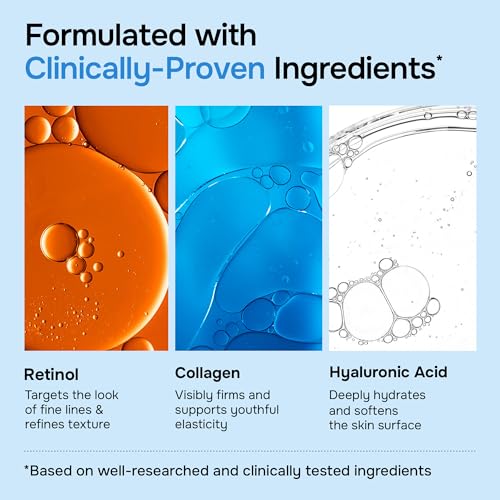



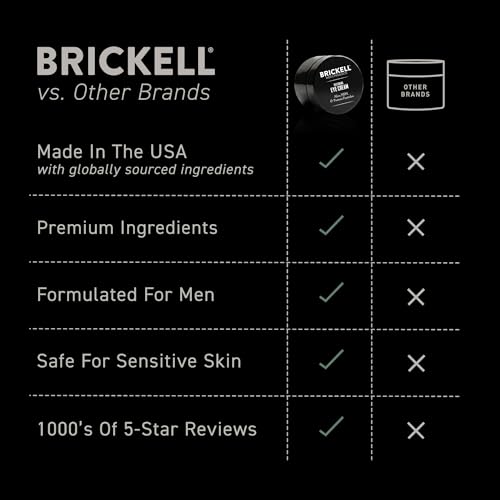


We also considered 10 others:


Our Top Choice
The order above is not editorial opinion, and it is not paid placement. It comes from what shoppers across our network actually do - which anti-aging eye creams they compare, and which they ultimately buy. We re-rank as new data comes in, so the long-term favorites have to keep earning their spot against new entrants. The full method, including how we make money.
Anti-Aging Eye Creams Buyer's Guide
Anti-aging eye creams have to balance visible smoothing and de-puffing with the reality that the eye area is thin, easily irritated, and prone to residue, milia, and makeup pilling. The sharpest buying concerns are choosing actives that match your main issue—fine lines, puffiness, or tired-looking under-eyes—while keeping the formula gentle enough for daily use near the eyes.
Visible Results
Eye creams vary widely in what they can realistically improve, so the best choice depends on whether your priority is fine lines, puffiness, crepey texture, or a dull, tired look. Anti-aging results usually come from a mix of hydration for immediate plumping and targeted ingredients for gradual smoothing or firming.
Choose an eye cream around your main concern: humectants for dehydration lines, caffeine or cooling formulas for morning puffiness, peptides or retinoid derivatives for texture and firmness, and brightening-support ingredients for dull-looking under-eyes. Be cautious with products that promise dramatic wrinkle removal; around the eyes, the most believable wins are softer-looking lines, smoother texture, less puffiness, and a more rested appearance. Owner sentiment strongly favored formulas that made puffiness, tired-looking eyes, and fine lines look better quickly, with repeated mentions of firmer-feeling, smoother, more refreshed under-eyes.
Eye Tolerance
The skin around the eyes is thinner than most facial skin, and irritation can make dryness, redness, watering, and texture look worse. A good anti-aging eye cream should be effective without relying on harsh scent, sting, or overly aggressive actives that discourage consistent use.
Prioritize fragrance-free or very low-scent formulas, especially if your eyes water easily, you wear contacts, or you already use retinoids, acids, or vitamin C elsewhere in your routine. Avoid applying strong actives directly on the lash line or mobile eyelid unless the label specifically says it is safe there; use a small amount on the orbital bone and patch test before nightly use. Owner feedback highlighted gentle, low-scent formulas as a major advantage, with buyers commonly saying the cream did not irritate the eye area.
Hydration Support
Many visible under-eye lines are made more noticeable by dryness, so hydration can change how smooth the area looks even before longer-term anti-aging ingredients do anything. The right cream should leave the skin soft and comfortable without making the delicate area feel swollen, slick, or overloaded.
Look for a balance of humectants, emollients, and barrier-supporting ingredients so the under-eye area feels cushioned rather than tight. If you are prone to milia or bumps, avoid very waxy, heavy occlusive textures and choose a cream that moisturizes without sitting thickly on the skin. Owner sentiment repeatedly supported this dimension: buyers described the under-eye area as hydrated, softer, smoother, and refreshed, with some seeing fine lines look softer as moisture improved the skin’s appearance.
Texture Feel
Texture matters more for eye cream than many shoppers expect because the product sits close to the tear duct, under concealer, and on skin that creases easily. A formula that is too heavy can feel greasy or migrate, while one that is too thin may not cushion dry-looking lines enough.
For daytime or makeup use, favor a lightweight cream-gel or silky cream that spreads without tugging and does not leave an oily film. For nighttime, a slightly richer texture can be helpful if you are dry, but it should still stay put and not blur into the eyes. Owner sentiment strongly favored smooth, comfortable, lightweight textures that felt refreshing rather than heavy, greasy, or coated with residue.
Routine Fit
An eye cream only helps if it is easy to use consistently, and consistency is especially important for anti-aging skincare. Fast absorption also affects how well sunscreen, concealer, and other skincare layers sit over the eye area without pilling or slipping.
Choose a formula that absorbs quickly enough for your routine: fast-setting for morning under sunscreen or concealer, and comfortable enough for evening use without transferring into the eyes while you sleep. Use a rice-grain-sized amount per eye; overapplying can cause greasiness, pilling, or product migration even with a good formula. Owner feedback supported this practical factor, noting quick absorption, little residue, and that a small amount was enough to add the cream easily to a daily skincare routine.
1,000,000+ shoppers use Buyer's Guide every week to find the best products and services online.

Helping millions of users make smarter purchases online.


