









We also considered 10 others:


Our Top Choice
Compare Features


The order above is not editorial opinion, and it is not paid placement. It comes from what shoppers across our network actually do - which eye creams for mature skin they compare, and which they ultimately buy. We re-rank as new data comes in, so the long-term favorites have to keep earning their spot against new entrants. The full method, including how we make money.
Eye Creams for Mature Skin Buyer's Guide
Eye creams for mature skin have to balance visible smoothing and brightening with the fragility of thinner, drier eye-area skin. The biggest buying risks are choosing actives that irritate or flake, or choosing a texture that feels moisturizing but creases makeup, causes milia, or does little for puffiness and crepiness.
Texture
Texture matters because under eye patches sit on delicate skin, so they should feel comfortable, soft, and secure rather than heavy, slimy, or irritating. Look for a lightweight serum that absorbs well after removal and leaves minimal residue, especially if you plan to apply makeup or skincare afterward. Watch out for patches that drip, slide around, or leave a sticky or greasy film, since those can make the treatment feel messy and less practical.
For mature skin, choose a texture that cushions crepey under-eyes without leaving a film that makes concealer crease, pills over sunscreen, or migrates into fine lines. Look for a smooth, quick-absorbing cream or serum-cream for daytime; reserve richer textures for night if your lids or under-eyes are very dry, and avoid tacky, greasy, or heavily occlusive formulas if you wear makeup or are prone to milia. Owner feedback supports this priority: shoppers repeatedly favor lightweight, silky textures that glide on, absorb quickly, layer well under makeup, and moisturize without feeling greasy, sticky, cakey, or visibly filmy.
Results
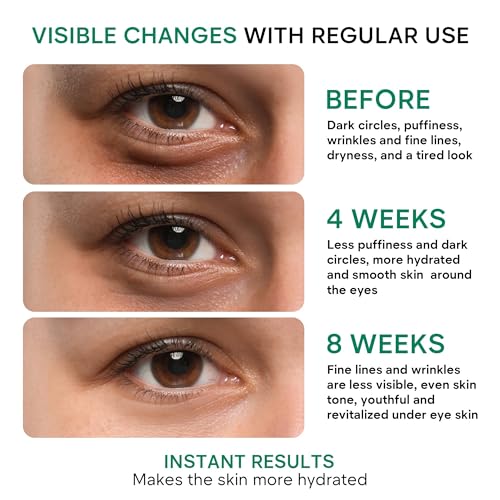
Results matter because under eye patches are only worth adding to your routine if they leave the area looking smoother, fresher, and less lined after use. Look for formulas and user feedback that point to visible softening of fine lines, improved hydration, and a more rested appearance, but be wary of claims that suggest permanent wrinkle reduction or dramatic tightening from a short-contact treatment.
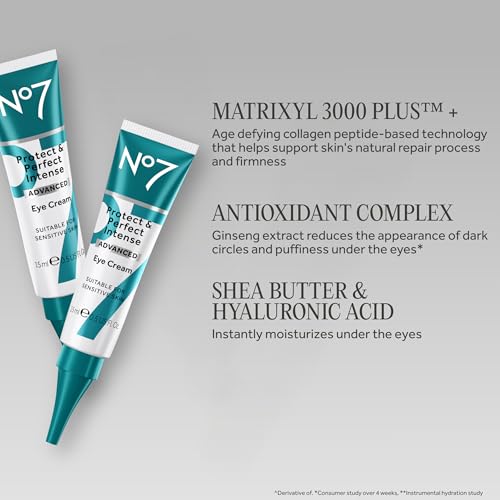
For mature skin, judge “results” by the specific concern the formula is built to address: humectants and barrier-support ingredients for crepiness from dryness, retinoids or peptides for fine lines and firmness, and caffeine/cooling formats for morning swelling. Be cautious of products promising instant wrinkle removal; mature eye-area improvements usually require consistent use, and dryness can make lines look worse even if a formula contains strong actives. Owner sentiment aligns with this: buyers most often report smoother, more hydrated, firmer, fresher-looking under-eyes and softer-looking fine lines when they use eye creams consistently over time.
Brightening
If you’re choosing under-eye patches to help with dark circles or a tired look, focus on formulas that can make the skin appearance look fresher and more even rather than expecting them to erase discoloration completely. Look for brightening and hydrating ingredients that improve the appearance of dullness, and watch out for patches that rely mainly on shimmer or temporary cooling effects if you want a more natural-looking color improvement.
For mature skin with dark circles, first identify whether the darkness is pigment, shadow from volume loss, visible vessels through thin skin, or morning discoloration from puffiness; an eye cream can help brightness and texture, but it will not fully correct hollowing. Look for gentle brightening support such as niacinamide, vitamin C derivatives, retinal/retinol used carefully, or light-reflecting hydration, and avoid harsh exfoliating or strongly fragranced brighteners near thin, mature skin. Owner reports support brightening as a real but variable benefit: shoppers describe tired under-eyes looking brighter, more awake, more even, and sometimes less dark, especially alongside hydration and depuffing.
Sensitivity
The skin under your eyes is thin and easily irritated, so a patch that feels soothing for someone else may cause stinging, redness, watering, or itching for you. Look for formulas that match your skin’s tolerance, especially if you have sensitive skin, and be cautious with strong fragrance, cooling ingredients, or active-heavy blends that can feel harsher in this area. If you’re prone to reactions, patch-test first and prioritize gentle, low-scent options that stay comfortable for the full wear time.
For mature skin, sensitivity screening matters more than strength: thinner eye-area skin is more likely to sting, flake, or develop raw patches from retinoids, fragrance, strong botanicals, acids, or products that travel into the eyes. Prefer fragrance-free or neutral-scented formulas, patch test near the orbital bone, introduce retinoid eye products slowly, and avoid applying too close to the lash line if you have watery eyes or dryness. Owner feedback is mixed in exactly this way: many sensitive-skin users describe gentle, moisturizing, non-stinging experiences, while others report early retinol irritation, flaking, raw spots, fragrance discomfort, or occasional stinging.
Hydration
Hydration matters because the under-eye area is thin and can quickly look crepey, dull, or uncomfortable when it’s dry. Look for patches that feel moisturizing without leaving a sticky film, sit well against the skin long enough to deliver hydration, and include humectants or soothing ingredients; watch out for formulas that sting, dry down too fast, or rely heavily on fragrance if your skin is sensitive.
For mature skin, hydration should come from layered moisture rather than just a slippery feel: look for humectants to plump fine dehydration lines, barrier-supporting ingredients to reduce crepiness, and enough emollience to soften without causing heaviness or makeup breakdown. If your under-eyes look wrinkled mainly when dry, prioritize daily morning-and-night hydration over aggressive actives; if you use concealer, make sure the cream sets down cleanly before makeup. Owner sentiment strongly supports hydration as a core strength in this category, with buyers repeatedly saying formulas leave the under-eye area soft, smooth, refreshed, comfortable, and moisturized without heaviness or greasiness.
Puffiness
If you wake up with puffy eyes or notice under-eye bags after travel, late nights, or irritation, patches that deliver a cooling, soothing feel can make the area look and feel less swollen. Look for options that stay in place, feel refreshing without stinging, and include calming or hydrating ingredients; be wary of patches that promise dramatic puffiness reduction but rely mostly on temporary tightening or harsh sensation.
For mature skin, puffiness requires matching the formula to the cause: caffeine, cooling applicators, gels, and massage-friendly textures are most useful for temporary morning fluid swelling, while persistent bags from fat pads, laxity, or anatomy will not reliably disappear with cream. Choose a product that feels cooling and layers cleanly for morning use, and avoid relying on depuffing claims alone if your main issue is chronic under-eye bags or hollow shadows. Owner reports show this split: many shoppers notice less morning swelling, a more awake look, and soothing benefits from cooling or easy touch-up formats, but others find bag, puffiness, and dark-circle changes inconsistent or temporary.
1,000,000+ shoppers use Buyer's Guide every week to find the best products and services online.

Helping millions of users make smarter purchases online.


