













We also considered 10 others:


Our Top Choice
Compare Features


The order above is not editorial opinion, and it is not paid placement. It comes from what shoppers across our network actually do - which floodlight security cameras they compare, and which they ultimately buy. We re-rank as new data comes in, so the long-term favorites have to keep earning their spot against new entrants. The full method, including how we make money.
Floodlight Security Cameras Buyer's Guide
Floodlight security cameras have to do two jobs at once: light a dark approach area and capture usable evidence without blinding the sensor or annoying everyone nearby. The sharpest buying concerns are placement-specific coverage, reliable motion detection, and whether the power, Wi‑Fi, recording, and lighting controls fit the exact driveway, yard, gate, or carport you need to protect.
Video
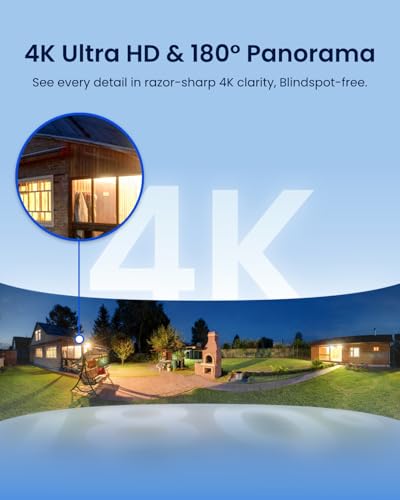
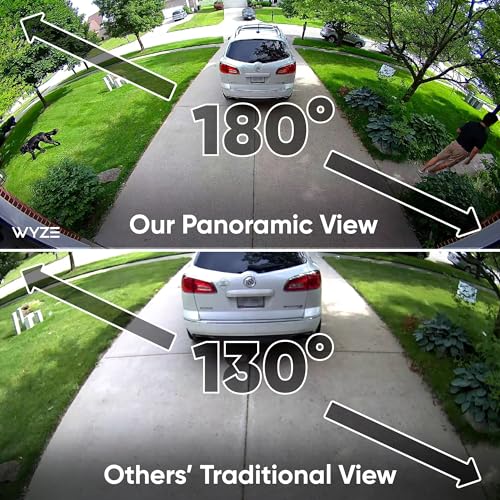
You want clear, sharp video so you can actually identify faces, license plates, packages, or activity rather than just see that something happened. Look for strong daytime image quality, effective night vision, a wide enough field of view to cover the area you care about, and brightness handling that doesn’t wash out faces in glare or hide details in shadows. Be careful with cameras that advertise high resolution but have poor low-light performance, narrow viewing angles, or digital zoom that gets blurry when you need details most.
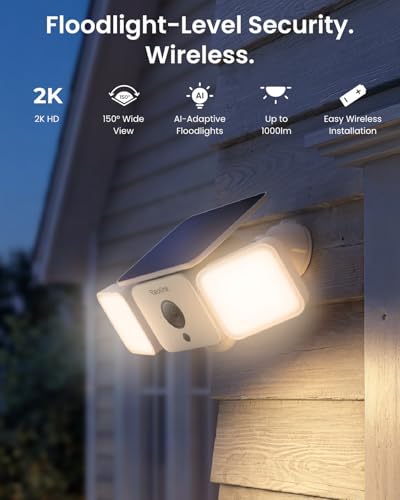
Prioritize usable identification over headline resolution: for a floodlight camera, check that the lens covers the whole driveway, gate, or side yard without leaving the approach path in shadow, and that night footage does not get washed out by the unit’s own lights reflecting off siding, license plates, rain, or nearby walls. Look for adjustable light heads, exposure/HDR controls, a wide enough field of view for the mounting location, and enough resolution to crop faces, packages, and vehicles at the actual distance you need; avoid models that advertise high resolution but pair it with narrow coverage or poor night handling. Owner feedback supports this focus: buyers often praise sharp daytime and nighttime footage, clear detail for faces, packages, movement, and zooming, plus bright adjustable floodlights that illuminate large yards, driveways, and carports.
Detection
Detection determines how reliably your security camera notices activity, follows movement, and alerts you when something matters. Look for adjustable motion zones, sensitivity controls, person/pet/package recognition if you need it, and fast, accurate notifications; watch out for cameras that trigger too many false alerts from shadows, cars, or pets, or miss motion at the edges of the frame.
For this category, detection quality depends heavily on whether the camera can distinguish the target zone from every moving branch, headlight sweep, pet, and passing car that the floodlight will expose. Choose a model with customizable motion zones, sensitivity controls, person/vehicle/animal filtering if needed, and tracking that keeps following someone after they enter the lit area; be cautious if your mounting point faces a busy street, reflective pavement, trees, or shared walkways, because overly broad detection can become alert fatigue. Owner sentiment is consistent with that tradeoff: many users find alerts responsive and tracking useful for people, vehicles, and animals, but others report sensitivity problems or AI mistakes where objects or animals trigger person-like alerts.
Quality
You want a security camera that keeps working day and night, not one that fails when weather, power interruptions, or heavy use put it under stress. Look for solid construction, dependable connectivity, consistent recording and alerts, and weather resistance if it will be used outdoors; watch out for flimsy mounts, frequent disconnects, overheating, or reviews that mention premature failure.
Because floodlight cameras live outdoors and often replace a safety-critical exterior light, inspect weather resistance, heat management around the LEDs, mounting rigidity, lens sealing, and whether the unit stays reliable through rain, wind, cold starts, and long overnight recording or lighting cycles. For hardwired models, the junction-box fit and grounding matter; for battery or solar models, the housing and charging design must survive seasons without making the camera unreliable. Owner reports generally support that well-chosen units can be dependable everyday security tools, with buyers describing many camera-light combinations as solid, reliable, and capable for home monitoring, including at night.
Features
Extra features determine how well a security camera fits your space and daily routine, so look for functionality you’ll actually use: pan-tilt adjustability for wider coverage, built-in lighting for dark areas, flexible storage options, and customizable motion zones or alerts. Watch out for features that sound helpful but depend on subscriptions, weak app controls, or limited camera modes, since they can affect how much control and value you get over time.
Focus on the features that reduce real blind spots and false confidence: independent adjustment of each floodlight head, brightness scheduling or dimming, siren or two-way talk only if you will actually use them, privacy zones for neighbors’ windows, local or cloud recording options, and app controls for when the light turns on versus when the camera records. Avoid paying for novelty features while missing basics like adjustable brightness, usable activity zones, event history, and lighting behavior that will not annoy your household or neighbors. Owner sentiment reinforces that the strongest packages combine bright motion-activated lighting, useful app monitoring, adjustable behavior, and responsive security controls that cover large outdoor areas without feeling excessive.
Setup
Setup matters because even a great security camera won’t help much if it’s difficult to mount, connect, or configure where you need it. Look for clear installation steps, flexible mounting options, reliable app pairing, and power requirements that fit your space, and watch out for cameras that need complicated wiring, weak Wi-Fi placement, or extra hardware to get working.
Before buying, match the power and mounting type to the exact installation point: hardwired units usually make the most sense when replacing an existing floodlight with a proper outdoor junction box, PoE models need cable routing and network planning, and wireless or solar models need reliable Wi‑Fi plus enough sunlight and battery access. Also check whether the camera can be aimed correctly from your eave or wall height, whether the fixture plate fits your box, and whether your router reaches the driveway or yard after the door is closed. Owners frequently describe installation and app pairing as straightforward, especially when replacing an existing floodlight, adding the camera in the app, or using organized hardware; fully wireless and PoE setups can also feel simple when the site conditions are right.
Value
A security camera’s real cost goes beyond the upfront price, so you should consider whether key features like cloud storage, smart alerts, or video history require a subscription. Look for a camera that gives you the level of monitoring and storage you actually need without locking essential functions behind ongoing fees, and weigh any recurring costs against the reliability, image quality, and features you get in return.
Judge value by total security coverage, not just the device cost: include subscription requirements, video storage limits, whether person detection or recording history is paywalled, replacement batteries, solar reliability, and whether one wide-angle floodlight camera can truly cover the area or if two smaller placements would work better. A cheaper unit is poor value if it misses faces at the gate, spams alerts until disabled, or requires a paid plan for the features you assumed were included; a higher-spec unit can be worthwhile if it replaces both a floodlight and a separate camera with dependable coverage. Owner feedback generally frames these products as good value when they combine bright lighting, capable video, easy phone monitoring, useful smart alerts, broad coverage, and especially no- or low-subscription operation.
1,000,000+ shoppers use Buyer's Guide every week to find the best products and services online.

Helping millions of users make smarter purchases online.


