


















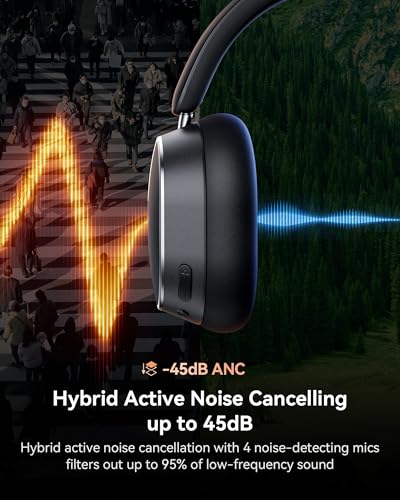


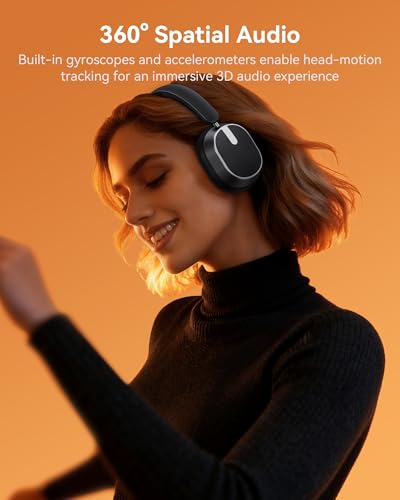

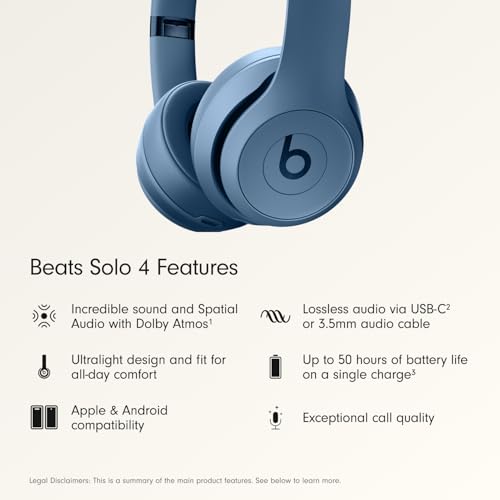
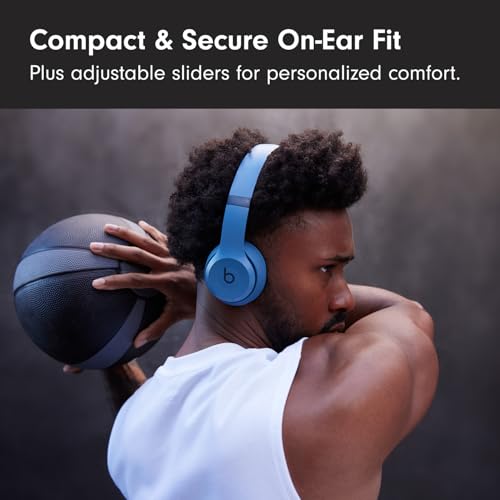


We also considered 10 others:


Our Top Choice
Compare Features


The order above is not editorial opinion, and it is not paid placement. It comes from what shoppers across our network actually do - which apple bluetooth headphones they compare, and which they ultimately buy. We re-rank as new data comes in, so the long-term favorites have to keep earning their spot against new entrants. The full method, including how we make money.
Apple Bluetooth Headphones Buyer's Guide
The main tradeoff in this category is not just sound quality versus cost; it is whether the headphones behave like a seamless extension of your phone, tablet, laptop, and watch. The sharpest concerns are reliable automatic connection across devices and whether comfort, battery life, and microphones hold up through calls, commuting, workouts, and all-day use.
Connectivity
You want headphones that connect quickly, stay connected, and work smoothly with the devices you use most, whether that is a phone, laptop, tablet, console, or audio interface. Look for reliable Bluetooth pairing, enough range for how you move around, support for wired mode if you need low-latency or battery-free listening, and broad compatibility with your preferred platforms. Watch out for headphones that sound good but drop connections, switch devices awkwardly, or limit key features when used outside a specific ecosystem.
Look first for ecosystem-level connection features, not just “Bluetooth”: one-tap pairing, automatic switching between your phone, tablet, laptop, and watch, reliable reconnect after case-open or power-on, and support for the right audio codec for that platform. Be cautious if reviews mention manual reconnects, repeated setup resets, or drops when moving between devices, because those failures defeat the main reason to buy in this niche. Owner feedback mostly supports quick setup, stable Bluetooth, good range, and easy use across multiple devices, but there are enough reports of frustrating pairing and disconnects to make connection reliability a must-check item.
Quality
You want headphones that feel solid, fit securely, and keep working well after daily use, not just sound good out of the box. Look for sturdy hinges and headbands, durable cables or ports, replaceable ear pads where possible, and consistent owner feedback about reliability; watch out for fragile plastics, peeling materials, loose joints, or reports of one side failing over time.
Prioritize build details that affect daily ecosystem use: sturdy hinges or case lids, sweat resistance if you will commute or train, dependable microphones for calls, durable charging contacts, and a finish that will survive pocket, bag, and desk use. For earbuds, also check whether replacement tips, charging cases, or cables match what you already carry; for over-ear models, inspect headband durability and cushion wear. Owners generally describe the category as lightweight, durable, and better built than expected, with strong battery hardware and a premium feel, which supports looking for models that can handle everyday drops, sweat, kids, and travel rather than just sounding good out of the box.
Sound
Sound quality determines how enjoyable and accurate your headphones feel across music, calls, movies, and games. Look for clear detail, balanced bass, mids, and treble, enough volume without distortion, and a sound profile that suits your preferences rather than one that overwhelms everything with bass.
Choose the sound package around your actual platform use: strong microphones for video calls, low-latency behavior for watching movies, clear voice handling for voice notes, and noise control or transparency modes if you commute or work in shared spaces. If you care about immersive audio, confirm compatibility with the spatial or head-tracking features your devices support; if you listen mostly to music, look for balanced tuning rather than exaggerated bass that can muddy calls and podcasts. Owner sentiment is broadly positive, with buyers praising clear audio, satisfying bass, crisp highs, strong noise cancellation on some models, and call clarity, so the main task is matching the sound feature set to your use case rather than assuming every model performs equally well.
Value
Value matters because you want headphones that justify what you spend through sound quality, comfort, durability, features, and everyday usability—not just a low price or a long spec sheet. Look for the mix that fits how you’ll use them, and watch out for paying extra for features you won’t notice or saving money on a pair that feels uncomfortable, fragile, or disappointing over time.
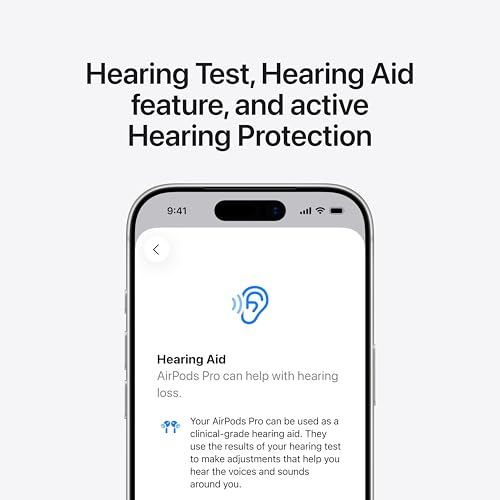
Value in this niche comes from how many ecosystem conveniences you will actually use: instant pairing, device switching, location tracking, voice-assistant access, noise control, hearing-assistance-style features, wireless or fast charging, and reliable call microphones. Avoid paying extra for features that only work on devices you do not own, and be careful with cheaper models that sound fine but omit the seamless behaviors that make this category attractive. Owner feedback repeatedly says many options feel like strong value because they combine good sound, durable builds, long battery life, and capable features, including some buyers who see hearing-assistance functions as a lower-cost alternative to dedicated devices.
Comfort
Comfort matters because headphones that feel fine for a few minutes can become distracting or painful during long listening sessions. Look for a fit that distributes weight evenly, with ear pads or tips that don’t pinch, trap too much heat, or create pressure points. If you’ll use them while commuting, working out, or moving around, make sure they sit securely without needing constant adjustment.
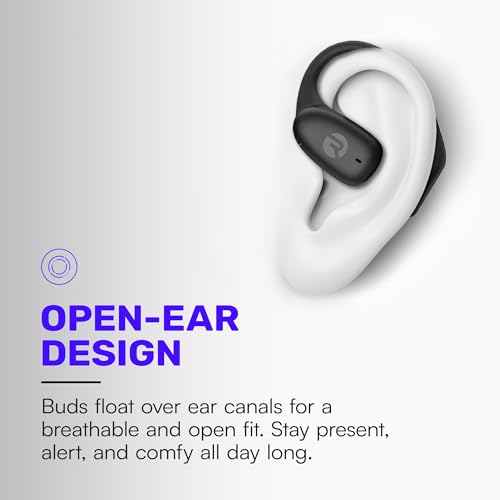
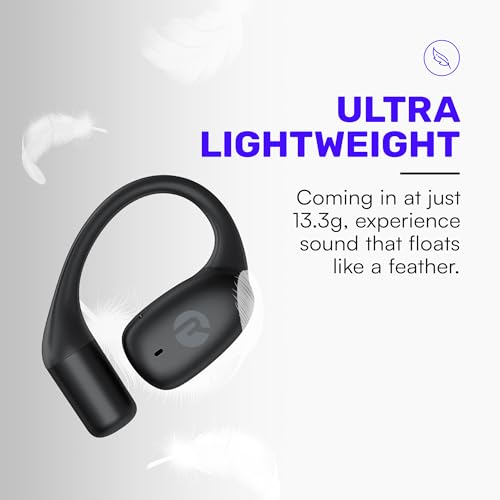
Fit is especially important because these headphones often double as call, commute, workout, and all-day work gear: check ear-tip sizes, venting pressure, earhook security, headband clamp, cushion depth, and whether the design works with glasses, hats, or masks. For workouts, favor secure hooks or wings and sweat resistance; for long desk sessions or flights, prioritize low weight, soft pads, and low clamping force over the smallest form factor. Owners commonly praise comfortable over-ear cushions, adjustable bands, lightweight designs, secure earhooks, and fits that stay put during movement, which makes comfort a real strength when the physical style matches the intended use.
Battery
Battery life determines how long you can listen between charges, so you’ll want enough runtime for your typical commute, workday, workouts, or travel without constant interruptions. Look at both playback time and charging convenience, including how quickly they top up, whether the case adds extra charges for wireless earbuds, and whether performance drops noticeably when features like noise cancellation are turned on.
Match battery specs to your routine and charging ecosystem: check single-charge listening time, total time with the case, call-time ratings, quick-charge minutes, wireless charging support, cable type, and whether the case gives a clear remaining-charge readout. Frequent travelers and commuters should also look for reliable standby behavior, because a case that drains in a bag can be more annoying than shorter advertised playback. Owner feedback strongly supports battery life as a standout strength, with many buyers praising long use between charges, quick top-ups, charging cases that last through repeated daily use, and displays or indicators that make remaining charge easier to trust.
1,000,000+ shoppers use Buyer's Guide every week to find the best products and services online.

Helping millions of users make smarter purchases online.


