
Join the millions that have trusted BuyersGuide.org to help them make smarter buying decisions. Let our independent expert reviews and data-driven shopping recommendations help you find the one that's right for you.





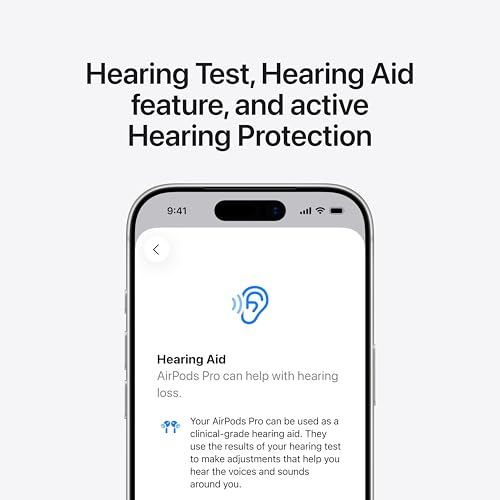


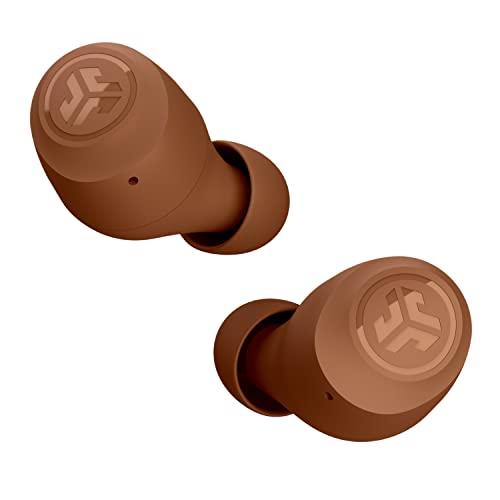
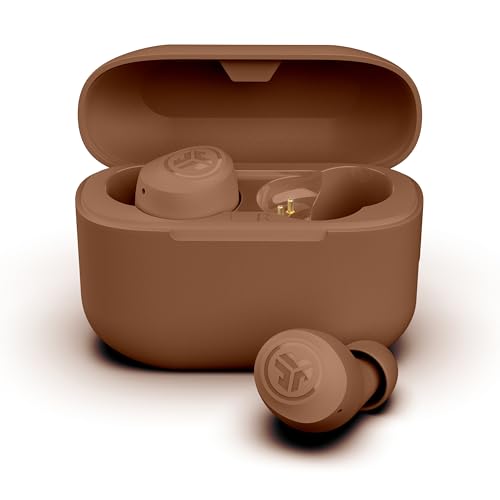


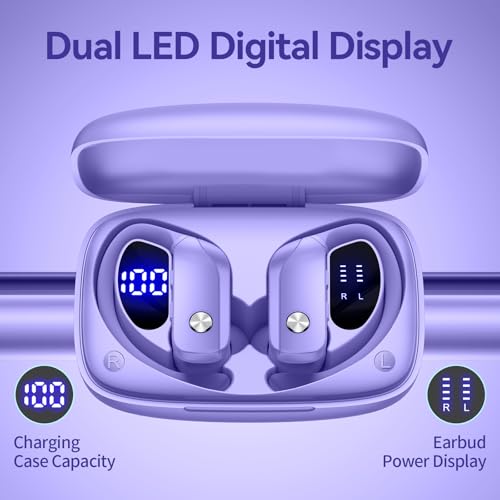








We also considered 10 others:


Our Top Choice
Compare Features


Why These Features Matter:
Earbuds are one of those “small” purchases that end up dictating the mood of your day. They’re in your ears on the subway, in the grocery store, on a dog walk you pretended was for the dog but was really for your sanity. And because they’re tiny and expensive and easy to lose in a couch crease, the details matter in a way brands rarely admit.
Good earbuds aren’t just about “sound quality.” They’re about: how many times you have to re-seat one bud because it’s slowly working itself loose during a meeting; whether you can hear the espresso machine and your friend; whether the case opens one-handed when you’re carrying three bags and a cold brew; and whether the whole thing survives being dropped on tile at 7:42 a.m.
Fit & Comfort: The Make-or-Break Feature Nobody Gets Excited About (Until It’s Bad)
If an earbud doesn’t fit, it doesn’t matter how gorgeous the audio is — you’ll spend your commute doing tiny, irritated ear-adjustments like you’re trying to decode Morse code with your tragus.
- What to look for: multiple tip sizes, a shape that doesn’t jab the ear cartilage, and a stable “lock” that holds during walking/chewing/talking.
- In real life: the difference between “I forgot I’m wearing these” and “I can feel this plastic wedge plotting against me.”
- Small but important: pressure relief. Some earbuds create that subtle underwater feeling that makes you weirdly tense.
Things to know: Foam tips can feel like a revelation (especially if silicone makes your ears tired), but they wear out faster and pick up pocket lint with an enthusiasm that feels personal.
Noise Canceling vs. Transparency: Your Relationship With the World, Adjustable
Noise canceling is less about turning life into a silent film and more about subtracting the specific sounds that make you want to move to the woods: HVAC roar, plane cabin hiss, the low rumble of the bus that somehow rattles your spine.
- Noise canceling is great for: open offices, flights, roommates who “only take calls” at full volume.
- Transparency mode is great for: crossing streets, hearing your kid ask for water for the ninth time, not getting sideswiped by a cyclist who’s allergic to bells.
- In real life: the best transparency doesn’t sound like you’re listening through a baby monitor. It sounds like your normal ears, just… better behaved.
Honest caveat: strong noise canceling can amplify the sensation of your own footsteps (hello, internal dinosaur), especially if you walk fast or live in hard-soled shoes.
Sound: More Than “Good Bass,” Less Than a Philosophy Degree
You don’t need audiophile credentials. You need earbuds that make your music feel alive without turning podcasts into a mouth-noise documentary.
- If you listen to music: pay attention to whether vocals feel present (not buried) and whether the low end is punchy without becoming a blur.
- If you mostly do podcasts/audiobooks: clarity matters more than thump. You want consonants to sound crisp, not like the host is speaking through a scarf.
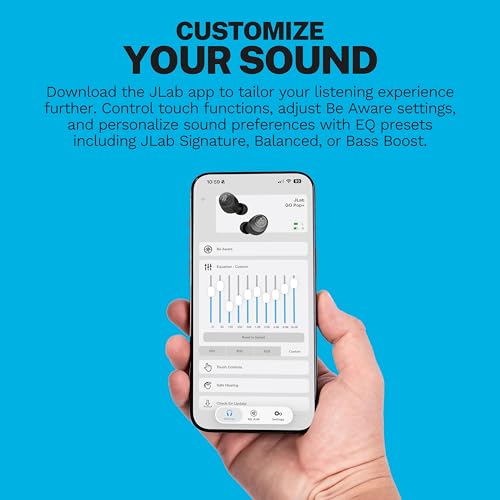
- If you do both: an EQ or simple sound presets can be genuinely useful — the rare app feature that isn’t just there to justify its own existence.
Things to know: Earbud “sound” changes dramatically with fit. If the seal is off, you’ll think the earbuds are weak when it’s really just physics and your left ear being finicky.
Calls & Microphones: The Feature That Betrays You in Public
Everybody thinks they’ll use earbuds mostly for music. Then life happens, and suddenly you’re taking a call at the corner of a loud avenue, trying to sound like an adult with a plan.
- What to look for: mics that handle wind and traffic without turning your voice into a distant ghost.
- In real life: the best ones make you sound like you’re indoors even if you’re absolutely not.
- Small detail: sidetone (hearing a bit of your own voice) can keep you from accidentally yelling on calls like you’re on speakerphone in 2009.
Honest caveat: “Wind reduction” is often more of a suggestion than a guarantee. If you live somewhere blustery, you may still end up doing the awkward “shielding the mic with your hand” move.

Controls: The Difference Between Feeling Sleek and Feeling Like a Clown
Controls are where earbuds reveal whether they were designed by someone who actually wears them or someone who has only seen ears in textbooks.
- Touch controls: convenient until you’re adjusting your hair/hat and accidentally skip three tracks and hang up on your mother.
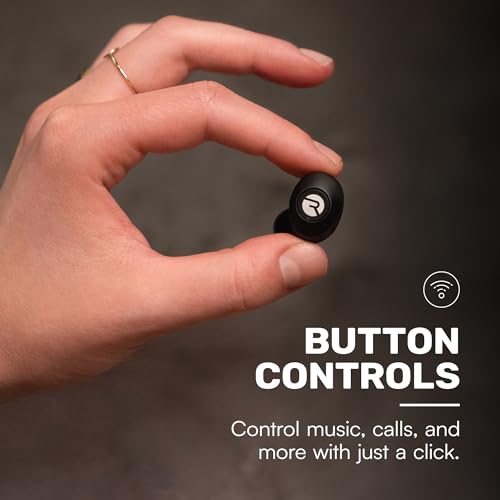
- Physical buttons: less futuristic, more reliable — but they can shove the earbud deeper into your ear, which is not the vibe.
- In real life: volume controls on the earbuds (not just your phone) matter more than you’d expect. Especially when your hands are full or it’s cold out.
Things to know: Customizable controls can save a pair of earbuds for you — or become one more settings menu you never revisit. The best setup is the one that requires the least thinking.
The Case: Your Tiny Jewelry Box That Lives a Hard Life
People underestimate the case until it becomes the reason they stop using the earbuds. A case that’s too slippery, too bulky, or impossible to open one-handed will slowly ruin your romance with the whole system.
- What to look for: a case that opens easily, doesn’t pop open in a bag, and has a shape that doesn’t feel like you’re carrying a bar of soap from a fancy hotel.
- In real life: pockets matter. If you wear small bags or live in a world of “lady pockets,” you’ll resent a chunky case fast.
- Small but real: magnets that reliably guide earbuds into the right charging position — no nightly ritual of reseating them like you’re tucking in toddlers.
Honest caveat: Glossy cases look chic for about 12 minutes. Then they become a fingerprint museum. If that will annoy you, accept it now.
Battery & Charging: How Often You Want to Think About Your Earbuds (Ideally: Never)
Battery life is less about the exact number and more about whether the earbuds survive your actual day: commute, gym, a surprise call, then an evening walk because you remembered you have legs.
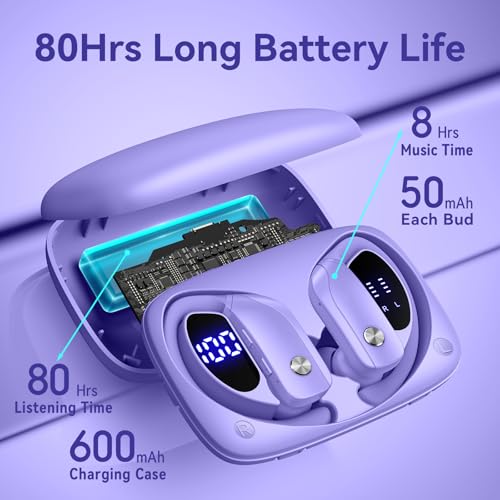
- What to look for: enough battery that you’re not rationing listening time, plus a case that can rescue you for a few days without hunting for a charger.
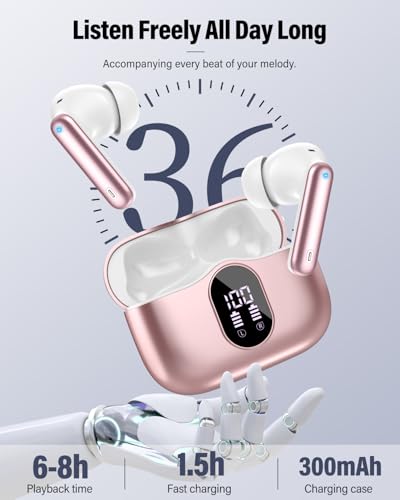
- Quick-charge: genuinely useful. The “I forgot to charge them but I need them in 10 minutes” scenario is not rare; it’s basically a lifestyle.
- Wireless charging: nice if you already have a pad on your nightstand. If you don’t, it’s easy to ignore.
Things to know: Battery performance drops over time. If you plan to keep earbuds for years, look for brands with decent repair or replacement policies (or at least reasonably priced replacement tips and cases).
Durability & Water Resistance: The Reality of Bodies, Weather, and Gravity
Earbuds live close to sweat, rain, and the occasional panicked dash to catch the train. They should be able to handle normal human mess without acting fragile about it.
- What to look for: solid water/sweat resistance if you exercise or live somewhere humid, and a case that can survive being dropped once without turning into a rattle.
- In real life: if you toss earbuds into a bag with keys, they will get scuffed. Decide if that will make you sad.
Honest caveat: Water resistance isn’t immortality. If you regularly get caught in real rain, consider how quickly you can stash them without doing the “earbud juggling” routine at a crosswalk.
Connectivity & Switching Devices: For People Who Exist in More Than One Screen
If you bounce between phone, laptop, and tablet, you want earbuds that don’t make you go into Bluetooth settings like it’s 2014.
- What to look for: stable connection, easy switching, and multipoint pairing if you take calls on your phone while working on a computer.
- In real life: fewer dropouts, fewer moments of “Why is the audio coming from the laptop speakers in front of everyone?”
Things to know: Multipoint can be brilliant, but it can also get bossy — pausing one device when the other pings you. If you’re easily irritated, you’ll notice.
How to Choose (Without Spiraling Into 47 Tabs)
A practical way to narrow it down:
- If you commute or fly a lot: prioritize strong noise canceling, comfort for long wear, and a case you can open with one hand.
- If you work from home with other humans nearby: prioritize transparency that sounds natural and microphones that don’t collapse under kitchen noise.
- If you work out: prioritize secure fit and sweat resistance; consider ear hooks or stabilizing fins if your ears tend to reject earbuds on impact.
- If you’re mostly a podcast person: prioritize vocal clarity and easy play/pause controls you won’t trigger by accident.
- If you lose things: prioritize a case that’s not tiny-and-black-and-invisible, and any built-in “find my earbuds” feature you’ll actually use.
The “best earbuds” are the ones you don’t think about — because they stay put, sound right, and disappear into your day. The second-best are the ones you still love even after you’ve muttered, once or twice, “Why is this case so slippery?”
1,000,000+ shoppers use Buyer's Guide every week to find the best products and services online.

Helping millions of users make smarter purchases online.

