











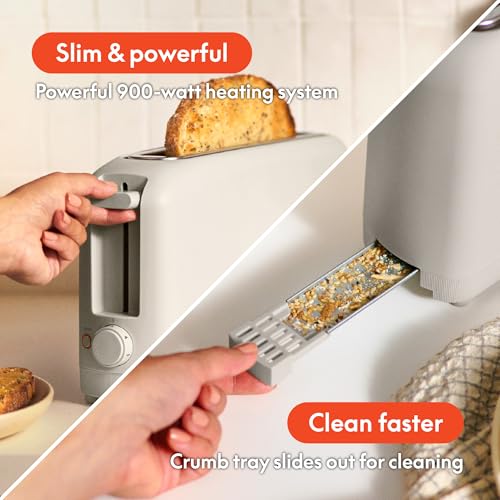


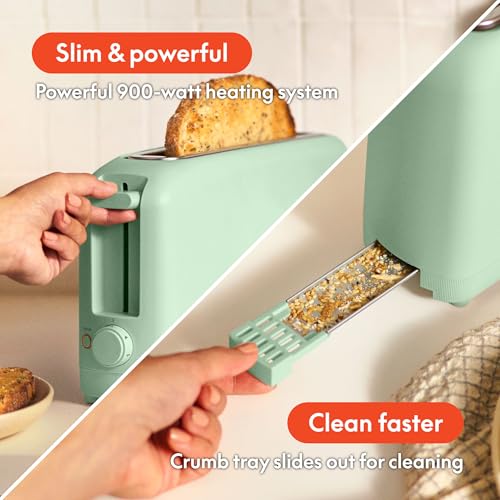


We also considered 10 others:


Our Top Choice
Compare Features


The order above is not editorial opinion, and it is not paid placement. It comes from what shoppers across our network actually do - which 2 slice toasters they compare, and which they ultimately buy. We re-rank as new data comes in, so the long-term favorites have to keep earning their spot against new entrants. The full method, including how we make money.
2 Slice Toasters Buyer's Guide
A 2-slice toaster is a compact daily-use appliance, so the real tradeoff is small counter footprint versus slots and heating elements that can still handle bread, bagels, and frozen items evenly. The biggest watch-outs are one-sided browning, shallow or narrow slots, and lightweight builds that feel fine at first but do not stay reliable with repeated morning use.
Even Browning
A toaster can look simple, but its heating layout and bread-centering mechanism decide whether both sides brown evenly. Consistent shade control matters because 2-slice toasters are often used for the same breakfast foods every day, where small differences become noticeable quickly.
Prioritize a toaster with full-height heating elements, self-centering bread guides, and shade settings that change browning gradually rather than jumping from pale to burnt. Avoid models where the slots leave tall slices partly exposed, because the top edge can stay underdone while the lower half over-browns; also watch for toasters that brown one face much darker than the other, a common failure mode in this category. Owner feedback supports this as the main separator: many users are satisfied when toast and bagels land near their preferred shade, but uneven browning and one-sided results show up as the clearest complaint.
Slot Fit
In a 2-slice toaster, slot geometry determines both compatibility and browning quality. A toaster that fits only standard bread may disappoint anyone using bakery slices or bagels, while oversized slots without good centering can hurt performance on thin bread.
Check slot width, length, and depth against what you actually toast: sandwich bread, thick-cut slices, bagel halves, waffles, and frozen pastries all fit differently. Wide slots are useful, but they also need guides that hold thin bread upright; otherwise thin slices lean toward one element and toast unevenly. The owner sentiment shows that standard slices and bagels can come out well on better-performing units, while mixed results on bagels and regular bread point to slot fit and centering as practical concerns, not just convenience details.
Easy Controls
Simple controls are important because a toaster is often used quickly and repeatedly, sometimes by multiple people with different shade preferences. Good modes reduce guesswork for frozen bread and bagels, while a reliable cancel function helps prevent over-toasting.
Look for a clearly marked shade dial plus dedicated bagel, defrost, and cancel controls; these are the core modes that matter on a 2-slice toaster. Bagel mode should heat the cut side more directly, defrost should add time without scorching the outside, and cancel should pop food up immediately without forcing the lever. Owners specifically praise straightforward buttons and clear shade controls, and they also report that flexible shade settings help toast, bagels, and similar foods get close to personal preference.
Daily Durability
Because a 2-slice toaster is a heat appliance with moving parts, reliability is about more than appearance. The lever, latch, thermostat, crumb tray, and heating elements all need to hold up to repeated cycles without sticking, drifting, or creating nuisance smoke.
Choose a toaster that feels stable when pressing the lever, has a smooth lift action, a crumb tray that removes cleanly, and housing that does not flex or rattle excessively. For safety and longevity, avoid flimsy levers, loose knobs, unstable feet, and designs that trap crumbs near heating elements; crumbs should be emptied regularly to reduce smoke and scorching smells. Owner sentiment backs build quality as a major buying concern: dependable basic daily use earns strong approval, while long-term durability is a watch-out even when early performance seems acceptable.
Counter Fit
A 2-slice toaster is usually left on the counter, so size, finish, and cleaning access affect daily satisfaction. Good countertop fit also supports safer use by keeping the toaster stable, ventilated, and away from clutter while heating.
Measure the counter space where the toaster will live, including side clearance from walls, cabinets, and other appliances, and check cord placement so it can sit safely without stretching across a work area. A stainless or colored finish can help it match the kitchen, but the housing should also resist fingerprints, wipe down easily, and leave room to pull the crumb tray without moving everything around. Owners consistently value a clean, simple look and finishes that match other appliances, but appearance works best when it supports daily placement and cleaning rather than just looking good out of the box.
Practical Value
The best value in a 2-slice toaster comes from getting the fundamentals right. Extra styling or modes matter less if the appliance cannot toast evenly, fit common foods, or survive regular use.
For this category, value usually means paying for dependable even toasting, usable slots, and clear controls—not extra features that do not improve breakfast results. A good basic 2-slice toaster should handle daily bread and bagels, offer enough shade range, and feel solid enough for routine use; skip models that look feature-rich but show weak browning consistency or questionable durability. Owner feedback strongly supports this practical approach, with shoppers appreciating inexpensive everyday performance and reasonable design, while still flagging reliability and uneven browning as the things that can undermine the purchase.
1,000,000+ shoppers use Buyer's Guide every week to find the best products and services online.

Helping millions of users make smarter purchases online.


