


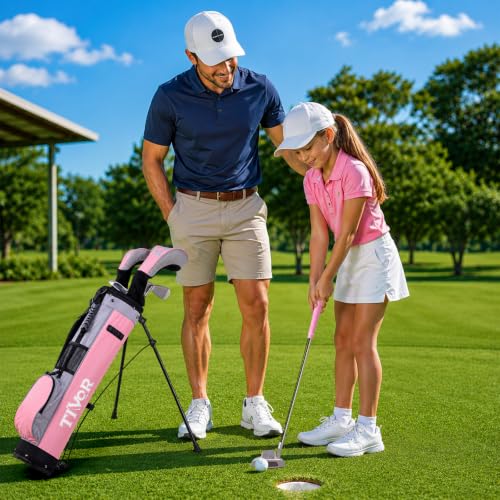



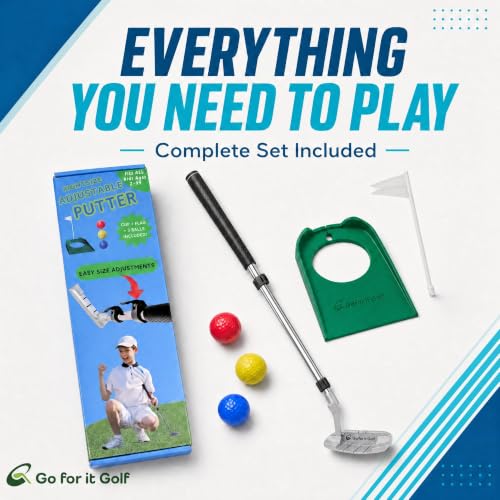


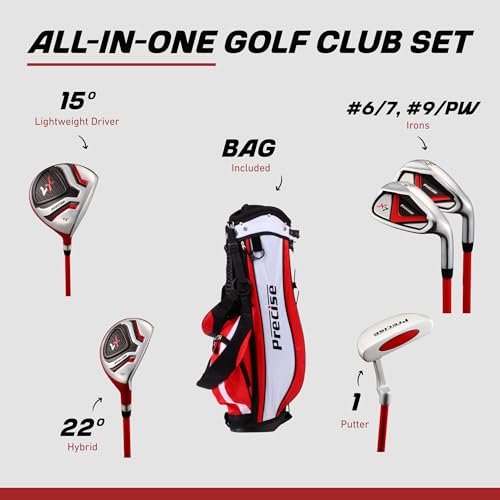


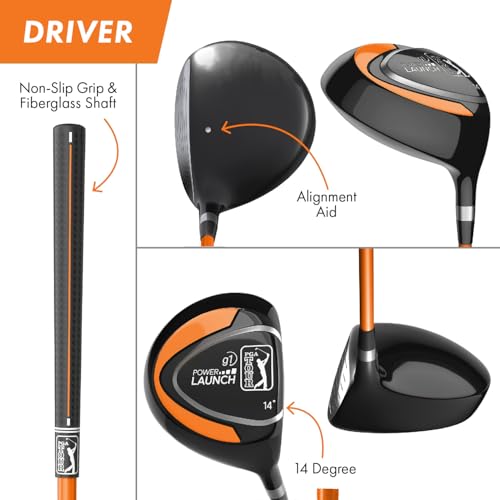


We also considered 10 others:


Our Top Choice
The order above is not editorial opinion, and it is not paid placement. It comes from what shoppers across our network actually do - which youth golf sets they compare, and which they ultimately buy. We re-rank as new data comes in, so the long-term favorites have to keep earning their spot against new entrants. The full method, including how we make money.
Youth Golf Sets Buyer's Guide
Youth golf sets have to feel like real equipment without forcing a child to swing clubs that are too long, too stiff, or too heavy. The biggest tradeoff is buying enough quality and correct fit for real practice while avoiding overbuilt adult-style gear that can slow learning or unsafe toy-like clubs that won’t hold up.
Junior Fit
Fit affects whether a junior can learn a repeatable swing instead of compensating for equipment. Youth golf sets that are sized correctly are easier to control, safer to swing, and more likely to keep a beginner engaged.
Choose youth clubs by the child’s height and wrist-to-floor fit first, not just the age printed on the box. A good junior set should let the child take an athletic stance with the sole sitting naturally on the ground; clubs that are too long encourage choking down, flat swings, and poor contact. Adjustable shafts can be useful for putters or shared family practice, but full-swing clubs still need the right length, lie, and grip size for the player. Owner feedback strongly supports fit as a separator: sizing is repeatedly praised as comfortable and age-appropriate, and some families report that growing juniors can use the same set for multiple seasons.
Swing Weight
Children need clubs that match their strength as much as their height. If the set is too heavy or the grips are too large, even a well-sized club can feel frustrating and teach the wrong mechanics.
Look for lightweight heads, junior-flex shafts, and small-diameter grips that a child can hold without tension. Avoid cut-down adult clubs or overly heavy “premium” clubs for beginners; they can make the child drag the club, lose balance, or develop a chopping motion. A junior driver or hybrid should be easy to launch, and irons should be light enough for repeated practice without fatigue. Owners specifically praise lighter clubs and smaller grips because kids can practice a real golf swing rather than fight oversized equipment.
Build Quality
Youth sets take abuse from beginners who are still learning how to strike the ball and care for equipment. Durable construction matters not just for longevity, but also for safety when clubs are swung around other people.
Inspect the build like real sporting equipment: clubheads should be securely attached, shafts should not feel whippy in an uncontrolled way, grips should be firmly bonded, and bag zippers, straps, and stands should survive being dragged around by kids. The driver is a key failure point to scrutinize because junior beginners often hit the ground, mats, or range balls off-center; a weak driver head can turn a good starter set into a short-lived purchase. Avoid sets that feel toy-like, have loose ferrules, slick grips, or flimsy bag hardware. Owner sentiment is mostly positive on sturdy starter quality, but it also flags durability as mixed, with the driver head mentioned as a possible weak point after repeated use.
Set Makeup
Youth golf sets are bought as systems, not just individual clubs. The right mix gives a beginner enough tools to learn tee shots, approach shots, and putting without unnecessary weight or complexity.
A good youth starter set should include the essential clubs a beginner will actually use: typically a high-lofted driver or fairway wood, one or two easy irons or a hybrid, a wedge or short iron, a putter, and a child-appropriate bag. More clubs are not automatically better; too many choices can overwhelm a new golfer and add carry weight. Check handedness, bag strap comfort, stand stability, pocket usefulness, and whether the putter shape works for basic alignment. Owners respond well to complete packages that feel like real beginner setups rather than toys, especially when the included bag and core clubs make it easy for a child to get started without buying separate gear.
Practice Appeal
Beginners improve when they want to pick the clubs up often. Confidence, pride, and ease of practice can matter as much as specifications for a child’s first golf experience.
Choose a set that looks and feels course-ready enough for a child to be proud of, while still being simple enough for backyard, carpet, range, or putting-green practice. A putter that is easy to handle, a bag a child can carry, and clubs that resemble real equipment can make practice feel like playing golf rather than using a toy. For very young kids, prioritize supervised putting and short swings before full-speed driver practice, especially indoors or in tight yards. Owner feedback highlights that children enjoy polished-looking sets, easy starter putters, and practice that feels fun and usable for family play.
Use Span
Children can outgrow golf equipment quickly, so lifespan has to be balanced against proper fit today. A set is a better buy when it supports real learning now and has enough durability or adjustability to avoid immediate replacement.
The best value in a youth golf set comes from correct fit, durable components, and a club mix that can carry a child through the first stage of learning. Do not buy a set far too large just to “grow into it,” because the months or years of poor mechanics are not worth the extra lifespan. Instead, look for age bands with realistic height ranges, durable high-wear parts, and adjustability where it makes sense, especially in putters or practice clubs. Owners consistently frame complete junior sets as good value when they include the essentials, feel durable, and sometimes remain comfortable for multiple years as kids grow.
1,000,000+ shoppers use Buyer's Guide every week to find the best products and services online.

Helping millions of users make smarter purchases online.


