






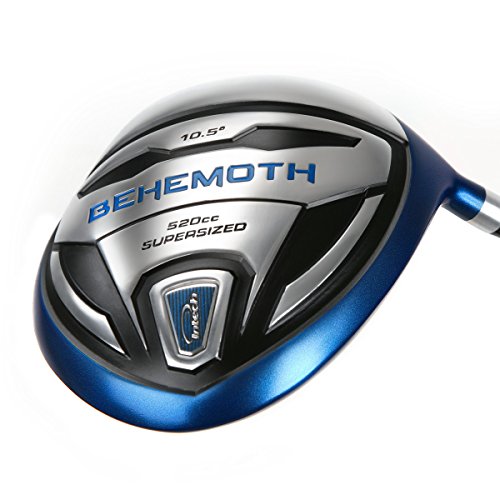
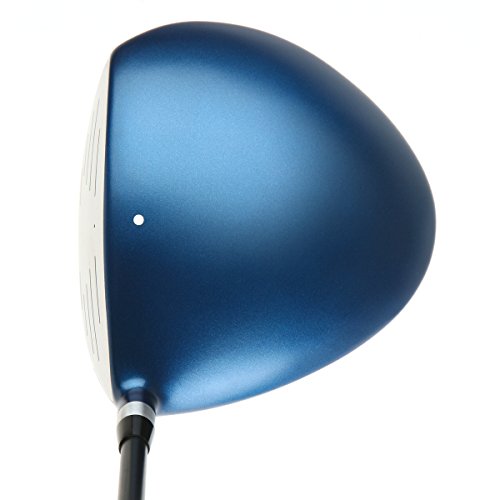
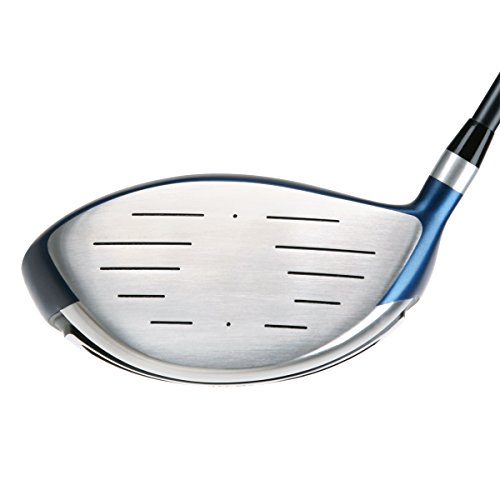
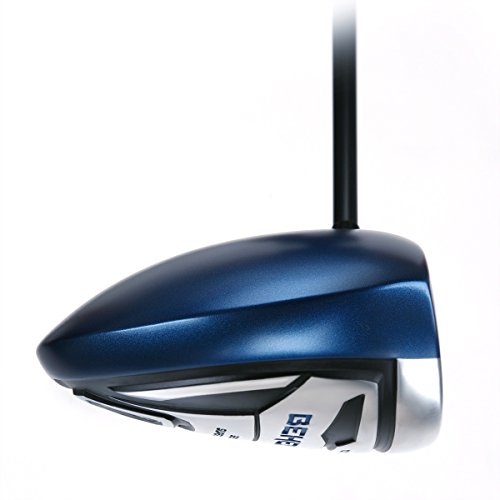


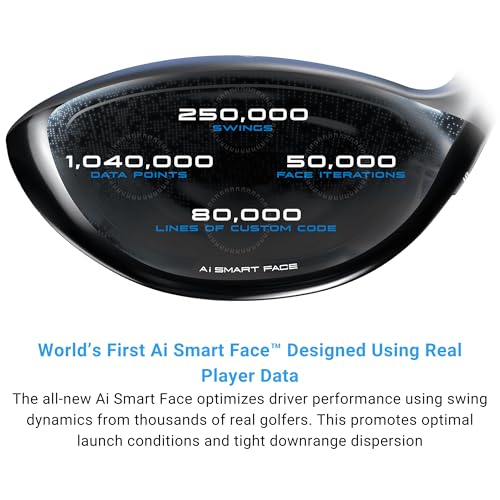

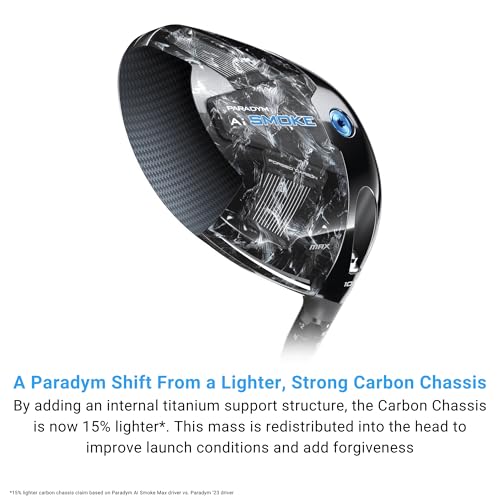


We also considered 10 others:


Our Top Choice
The order above is not editorial opinion, and it is not paid placement. It comes from what shoppers across our network actually do - which golf drivers they compare, and which they ultimately buy. We re-rank as new data comes in, so the long-term favorites have to keep earning their spot against new entrants. The full method, including how we make money.
Golf Drivers Buyer's Guide
Buying a golf driver is a tradeoff between maximum ball speed and keeping real-world misses playable. The sharpest concerns are launch fit, forgiveness on off-center strikes, and whether the shaft and setup let the golfer repeat a confident tee shot rather than chase distance only on perfect swings.
Launch Fit
A driver is mainly bought to optimize distance off the tee, but distance comes from the right launch and spin rather than the lowest loft or hottest-looking head. A poor fit can turn solid swings into weak fades, ballooning shots, or low knuckleballs that lose carry.
Start by choosing a driver that produces the launch window your swing can actually use: enough loft to get the ball airborne, low enough spin to avoid ballooning, and a face depth that suits how high you tee the ball. Slower or upward-sweeping swings often benefit from more loft and a confidence-building face, while high-speed or high-spin players usually need a lower-spinning head and careful loft selection. The owner feedback around longer, driver-suitable tees and repeatable height cues reinforces a driver-specific truth: launch is not just the clubhead, but the match between head, loft, and consistent setup.
Forgiveness
Most golfers do not strike the exact center of the driver face every time. Forgiveness matters because it narrows the gap between your best drive and your common miss, which can save more strokes than a small gain on perfect contact.
Look for forgiveness in the places you actually miss: high toe, low heel, or across the upper face. A larger, stable head with a high-MOI design can help keep ball speed and starting line from collapsing on off-center contact, while very compact or low-spin heads may punish inconsistent impact more severely. Owners in the provided sentiment repeatedly value items that are functional during real rounds rather than just appealing in theory, which is the same standard to apply here: the best driver is the one that keeps playable misses in bounds.
Shaft Match
The shaft is the connection between your swing and the clubhead. Even a strong driver head can perform badly if the shaft makes the club feel late, loose, too heavy, or hard to square.
Do not treat the shaft as an afterthought: flex, weight, torque, and length can change timing, face control, launch, and strike location. A longer shaft can create speed, but it can also spread impact across the face; a shorter or heavier setup may help golfers who need center contact and control more than a few extra yards. The sentiment notes that 3-1/4 inch tee length is especially liked for drivers and longer clubs, which supports the broader buying point that length and setup geometry matter more in this category than many shoppers expect.
Tuning Options
Adjustability can extend the useful life of a driver as your swing, ball flight, or course conditions change. It is most valuable when the settings are understandable, secure, and specific enough to solve a real flight problem.
Prioritize adjustability if your swing is still changing or if you need help fine-tuning launch, face angle, or shot shape. An adjustable hosel can help dial loft and lie, while moveable weight can shift bias toward draw, fade, higher launch, or lower spin; avoid paying for complex settings if you will never test or use them. Owner comments praise height markings and color bands because they make setup repeatable without fuss, and that same idea applies to driver adjustability: useful tuning should make your tee shot more consistent, not more confusing.
Build & Feel
Drivers are exposed to high impact forces and are used when golfers are trying to create maximum speed. A club that feels unstable, sounds harsh, or looks wrong behind the ball can undermine trust even before performance numbers are considered.
Check the driver’s face construction, crown durability, finish quality, and the sound it makes at impact, because confidence matters when the club is swung at maximum speed. Avoid heads that look closed or open in a way that bothers you, finishes that glare at address, or impact sounds that make you feel like you mishit every ball. The sentiment provided shows buyers notice material quality, appearance, and durability, while also reporting mixed durability for wood and bamboo tees; for drivers, that means build confidence should include both how premium it feels and how well it holds up to repeated high-speed use.
Use-Case Value
Golf drivers vary widely in who they are built for, from maximum forgiveness to low-spin workability. The right value decision depends on whether the club solves a real tee-shot problem for the intended golfer.
Judge value by the golfer’s purpose: a competitive player needs measurable fit and dispersion gains, a casual golfer may value confidence and ease of launch, and a gift buyer may care more about broad suitability and presentation. Do not assume the longest-looking or most premium-feeling option is the best value if it does not match swing speed, common miss, or playing frequency. Owner sentiment supports this expectation-based approach: buyers saw fair value in dependable quality, but novelty-oriented items were judged differently depending on whether they were viewed as ordinary gear or as a fun golf gift.
1,000,000+ shoppers use Buyer's Guide every week to find the best products and services online.

Helping millions of users make smarter purchases online.


