















We also considered 10 others:


Our Top Choice
The order above is not editorial opinion, and it is not paid placement. It comes from what shoppers across our network actually do - which wood fire pits they compare, and which they ultimately buy. We re-rank as new data comes in, so the long-term favorites have to keep earning their spot against new entrants. The full method, including how we make money.
Wood Fire Pits Buyer's Guide
Wood fire pits have to balance a big, satisfying flame with metal that can survive repeated high-heat burns outdoors. The sharpest buying concerns are usable fire capacity, heat durability, and whether the finish and body will resist peeling, warping, or rust once ash and weather get involved.
Fire Size
Wood fire pits need enough space for real logs while still keeping embers contained. A pit that is too small feels cramped and smoky, while one that is too shallow or oversized for the space can be harder to manage safely.
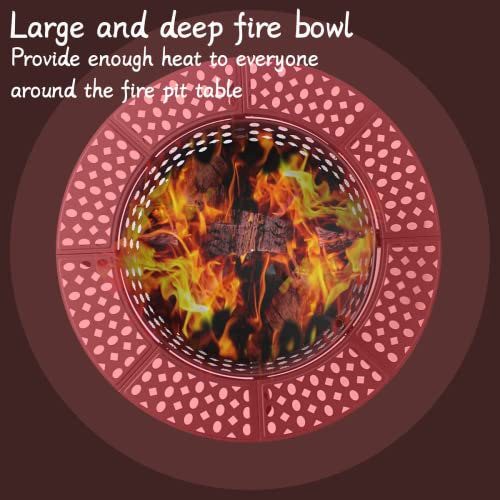
Choose size by the fire you will actually build, not just by the outside footprint. For backyard seating, look for enough usable bowl or ring diameter to hold standard split logs without stacking them above the rim; for yard cleanup, a larger open ring can be more practical than a decorative shallow bowl. Depth matters as much as width because a deeper pit contains shifting logs, coals, and ash better, while an oversized pit still needs safe clearance from structures, trees, decking, and seating. Owner feedback strongly favors extra-large rings and large, deep bowls when shoppers want bigger outdoor fires, family gatherings, or simple containment for brush and yard cleanup.
Heat Build
The hottest part of a wood fire pit is not the flame but the sustained bed of coals against the metal. Stronger construction helps the pit stay stable, hold its shape, and remain usable after repeated high-temperature burns.
Prioritize heavy-gauge steel, cast iron, a reinforced rim, solid welds or secure seams, and hardware that will not loosen easily after heat cycles. Wood fires create intense coal beds, so avoid very thin bowls, flimsy sheet-metal rings, and decorative coatings inside the burn area that are likely to discolor, blister, or peel. Expect any finish exposed to flames to change, but the underlying metal should not warp, sag, or show early heat damage. Owner sentiment backs this up: heavier, cast-iron-feeling construction inspires confidence, while thinner bargain-style bowls draw concern, and the main durability complaint is black coating burning or peeling quickly with occasional heat damage to the metal.
Rust Defense
Wood fire pits live in a difficult combination of heat, ash, rain, and seasonal temperature swings. Rust control is not just cosmetic because corrosion can thin the bowl, weaken legs, and shorten the useful life of the pit.
Assume an outdoor wood fire pit will need weather management unless it is made from highly rust-resistant materials. Look for drain holes, a raised base, a fitted cover, and finishes intended for outdoor heat exposure; avoid leaving wet ash in the bowl because ash holds moisture against the metal and accelerates corrosion. If you like a weathered patina, surface rust may be acceptable, but if you want a cleaner black or metal finish, plan for covering, drying, and periodic maintenance. Owner reports are mixed here: some buyers accept the weathered look, while others say rapid rust is a real issue unless the pit is covered.
Stable Setup
A wood fire pit is heavy when loaded with logs and ash, and it becomes hazardous if it rocks, sags, or shifts while hot. Good assembly and stable support make the pit safer to use and easier to keep positioned correctly outdoors.
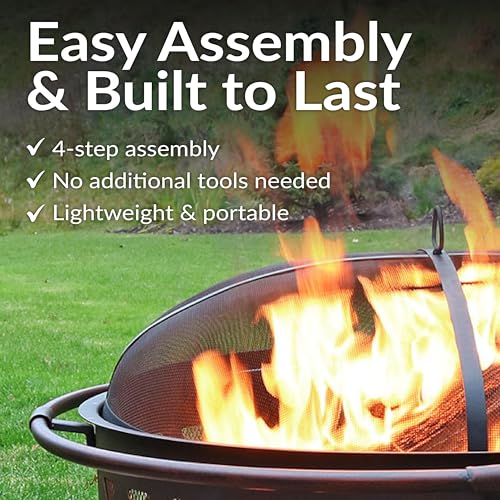
Check how the legs or panels attach, whether the base footprint is wide enough, and whether the pit can sit level on pavers, gravel, or compacted ground without rocking. Bolt-on legs should use substantial hardware, and panel-style rings should align cleanly without gaps that let embers escape. After the first few burns, retighten hardware because heat cycling can loosen fasteners. Owner feedback is encouraging on ease of setup, with legs and hardware often going together quickly, but sturdiness is uneven: some owners call their pits very sturdy while others describe thin or flimsy metal.
Burn Control
A good wood fire pit does more than hold logs; it helps the fire breathe, burn predictably, and leave ash that can be removed safely. Poor airflow or awkward cleanup can turn an otherwise attractive pit into a smoky, messy chore.
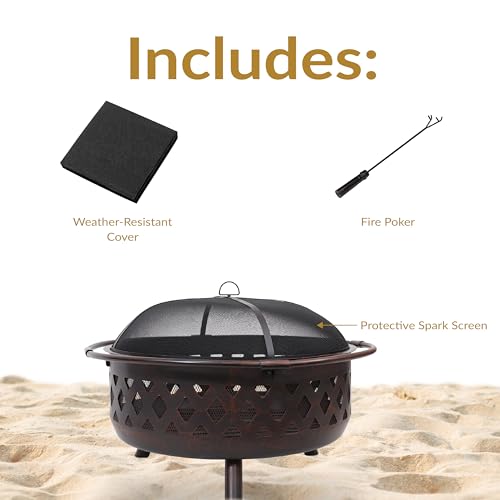
For regular wood burning, look for a design that supports airflow under the logs, leaves room for ash without smothering the fire, and allows safe cleanup after the pit cools. A log grate, venting, poker access, and a spark screen can matter more in everyday use than decorative details, especially where sparks, smoke, and ash control are concerns. For brush or yard cleanup, a simple large containment ring may be better than a patio bowl, but it should still be used only where open burning is allowed and where clearances are safe. Owner sentiment supports the practical side: large rings are appreciated for basic outdoor burning tasks and yard cleanup, while bigger bowls are valued for backyard fires.
Lasting Value
Wood fire pits take more abuse than many patio products because they face flame, weather, ash, and repeated heating and cooling. The best value comes from a pit that keeps working safely and conveniently after the finish has aged.
Judge value by usable life, not by first impression. A larger pit that is too thin, rusts quickly, or loses its finish after a few burns can be a worse buy than a simpler, heavier design with fewer decorative extras. Consider whether the pit includes or can accept practical accessories such as a cover, screen, grate, and ash tool, because those items affect safety, maintenance, and longevity. Owner sentiment shows value depends heavily on whether the metal and finish hold up: some buyers feel they received a good buy, while others see early wear as making the purchase disappointing.
1,000,000+ shoppers use Buyer's Guide every week to find the best products and services online.

Helping millions of users make smarter purchases online.


