









We also considered 10 others:





Our Top Choice
Compare Features


The order above is not editorial opinion, and it is not paid placement. It comes from what shoppers across our network actually do - which wet vacuums for hard floors they compare, and which they ultimately buy. We re-rank as new data comes in, so the long-term favorites have to keep earning their spot against new entrants. The full method, including how we make money.
Wet Vacuums for Hard Floors Buyer's Guide
Wet vacuums for hard floors promise the big tradeoff: faster one-pass vacuuming and mopping, but only if the machine recovers dirty water well and does not become a smelly maintenance chore. The sharpest checks are sealed-floor compatibility, pet-hair/debris clog resistance, and how easily the roller, tanks, and dock can be cleaned and dried after use.
Ease
A vacuum mop should make floor cleaning faster and less frustrating, so pay attention to how easy it is to fill, steer, switch modes, empty dirty water, and clean after use. Look for intuitive controls, manageable weight, good maneuverability, and simple maintenance, and watch out for designs that save cleaning time on the floor but add hassle at the sink afterward.
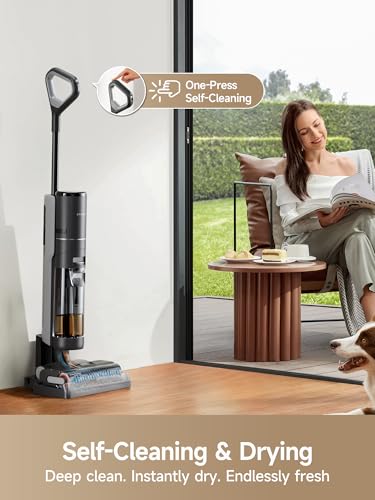
For hard-floor wet vacuums, ease is mostly about how much cleanup the machine creates after it cleans: look for separate clean/dirty tanks that remove easily, a self-clean cycle that actually flushes the roller path, and preferably active roller drying or easy roller removal so the brush does not sour between uses. Also check real handling weight with water in the tanks, self-propulsion, swivel steering, low-profile reach under cabinets, and whether the head can get close to baseboards; avoid designs that require hand-rinsing multiple parts after every small spill. Owner feedback supports this priority: shoppers often describe these machines as lightweight, smooth-moving, and much faster than separate vacuuming and mopping, with self-cleaning docks and self-propulsion making daily hard-floor cleanup feel low-effort.
Cleaning
Cleaning performance matters because a vacuum mop should save you from doing separate passes to pick up crumbs, lift wet messes, and leave hard floors actually clean. Look for strong, consistent suction, a brush or mop system that handles both fine debris and sticky spills, and a design that avoids pushing dirt around or leaving streaks, puddles, or residue behind.
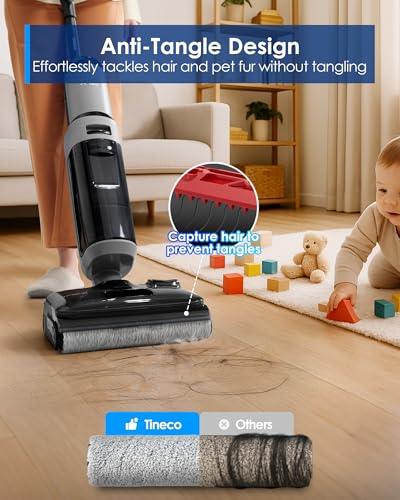
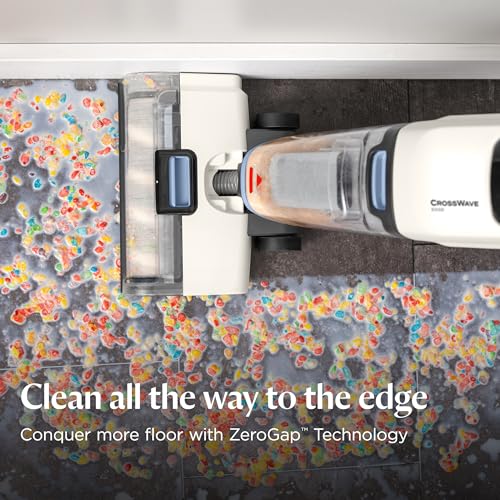
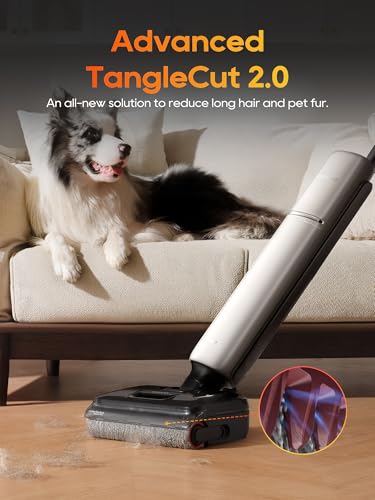
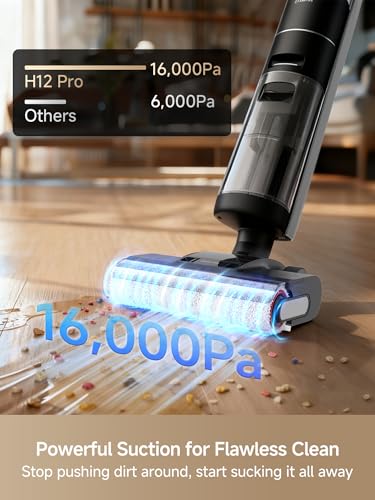
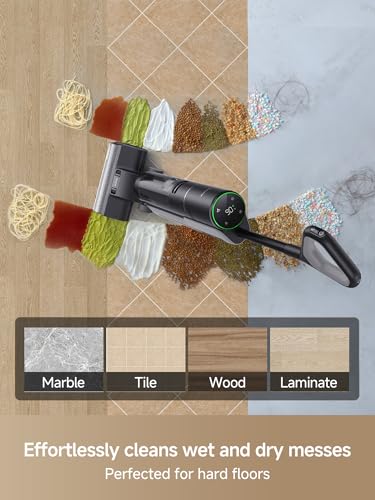
Prioritize cleaning mechanics that match your floors and messes: strong suction with good water recovery, a roller that stays evenly wet without flooding sealed wood, edge pickup for crumbs along cabinets, and a debris path that can handle pet hair, cereal, food drops, and liquid spills without clogging. If you have tile, look for enough brush pressure and solution control for textured surfaces and grout lines; if you have hardwood or laminate, confirm the unit is intended for sealed floors and does not leave puddles or excessive dwell time. Owner sentiment backs up the importance of these features, with buyers praising wet vacs that pull up pet hair, dirt, crumbs, sticky food messes, and spills in one pass while leaving hard floors visibly cleaner.
Value
You want a vacuum mop that earns its place by cleaning well, saving you effort, and holding up without making everyday upkeep frustrating or costly. Look for strong performance on the messes you actually face, useful features you’ll use regularly, and reasonable maintenance needs; watch out for models that seem affordable upfront but have weak suction, poor edge cleaning, short runtime, or expensive consumables that reduce their value for money.
Judge value by total ownership cost, not just the machine: rollers, filters, cleaning solution, batteries, and replacement tank seals can become recurring expenses, and runtime only matters if it covers your actual square footage before the tank or battery runs out. A wet vacuum is a strong buy when it replaces a broom, vacuum, and mop for frequent sealed-hard-floor messes; it is less valuable if you mainly need deep grout restoration, steam sanitizing, or occasional spot cleaning that a simple mop can handle. Owners often feel the category is worth the money because it saves steps and time, but feedback is more situational on battery life, longevity, and price, so match capacity and maintainability to your home before paying for extras.
Build
A vacuum mop deals with water, debris, moving brushes, and frequent emptying, so solid build quality affects how well it holds up to regular use. Look for sturdy plastics, secure tanks and latches, well-sealed water pathways, and brush or filter parts that feel easy to remove without being flimsy. Watch out for units that creak, leak, have loose-fitting components, or feel hard to clean, since those issues can become daily frustrations over time.
Build quality matters because these machines move dirty water through pumps, seals, sensors, hoses, and a powered brush head: inspect tank latches, gasket quality, leak resistance, roller axle sturdiness, filter access, and whether replacement parts are easy to obtain. Watch for the main hard-floor wet-vac failure modes—leaking dirty water, clogged debris channels, sour rollers, weak spray, battery decline, and early electronic failures from moisture exposure—and favor designs that are simple to disassemble and dry. Owner feedback generally praises solid-feeling, well-designed machines that make floor care easier, but durability is the clearest watch-out, with some buyers reporting strong cleaning results alongside frustration over early failures.
1,000,000+ shoppers use Buyer's Guide every week to find the best products and services online.

Helping millions of users make smarter purchases online.