















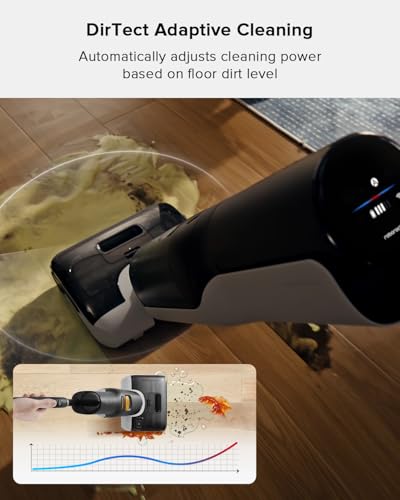


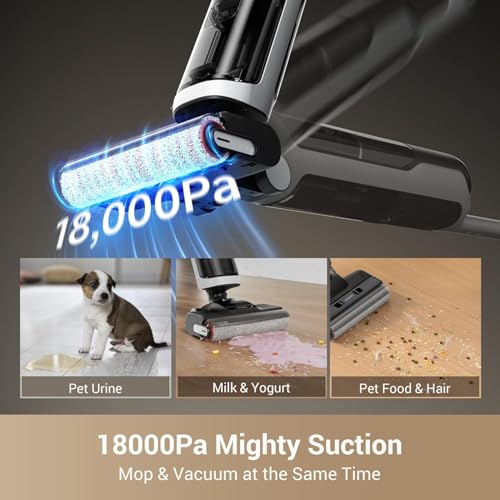
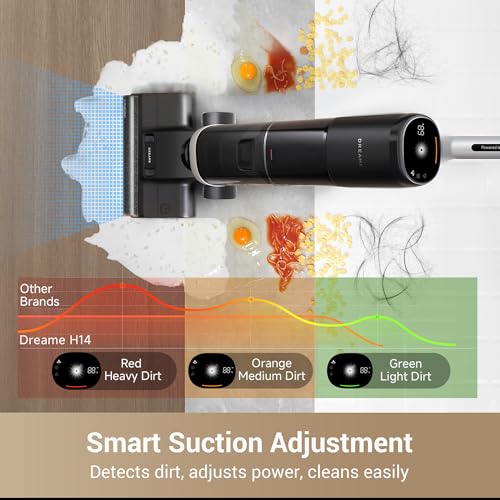


We also considered 10 others:





Our Top Choice
Compare Features


The order above is not editorial opinion, and it is not paid placement. It comes from what shoppers across our network actually do - which cordless wet dry vacuum cleaner and mops they compare, and which they ultimately buy. We re-rank as new data comes in, so the long-term favorites have to keep earning their spot against new entrants. The full method, including how we make money.
Cordless Wet Dry Vacuum Cleaner and Mops Buyer's Guide
Cordless wet-dry vacuum mops trade the control of separate sweeping and mopping for speed: they vacuum debris, scrub with clean water, and recover dirty liquid in one pass. The key buying concerns are not just suction and weight, but whether the machine handles real wet-dry messes without clogging, leaves sealed hard floors dry, and stays hygienic after repeated dirty-water use.
Ease
A vacuum mop should make floor cleaning faster and less frustrating, so pay attention to how easy it is to fill, steer, switch modes, empty dirty water, and clean after use. Look for intuitive controls, manageable weight, good maneuverability, and simple maintenance, and watch out for designs that save cleaning time on the floor but add hassle at the sink afterward.
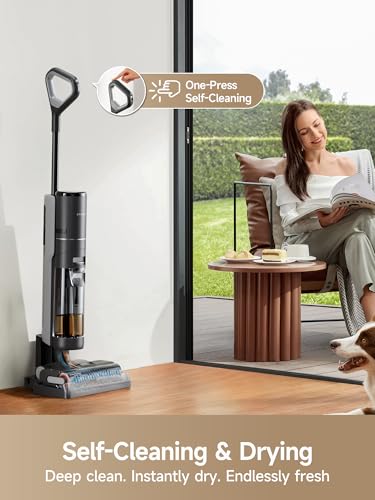
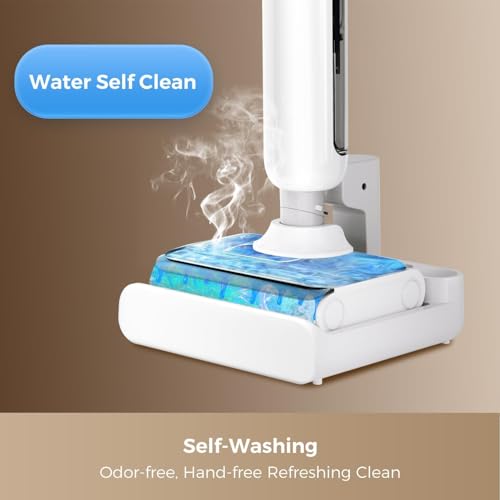
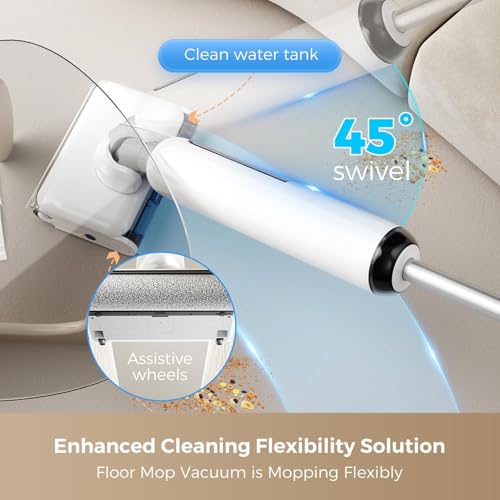
Prioritize models that make the messy parts of wet-dry cleaning low-contact: separate clean/dirty water tanks that are easy to remove, a docked self-clean cycle for the roller, clear tank-fill indicators, and a brush roll that can be accessed without tools. For this category, “easy” is not just light steering—it means you will actually rinse tanks, prevent odors, and avoid handling a soaked, hair-wrapped roller after every use. Self-propulsion and a smooth swivel head are especially useful because full water tanks add weight, and a vacuum mop that pulls itself forward reduces fatigue during whole-kitchen or whole-floor cleanup. Owner feedback supports this: shoppers often describe these machines as simple for daily use, faster than sweeping and mopping separately, and much easier when the dock cleans the roller and the user mainly empties dirty water and refills clean water.
Cleaning
Cleaning performance matters because a vacuum mop should save you from doing separate passes to pick up crumbs, lift wet messes, and leave hard floors actually clean. Look for strong, consistent suction, a brush or mop system that handles both fine debris and sticky spills, and a design that avoids pushing dirt around or leaving streaks, puddles, or residue behind.
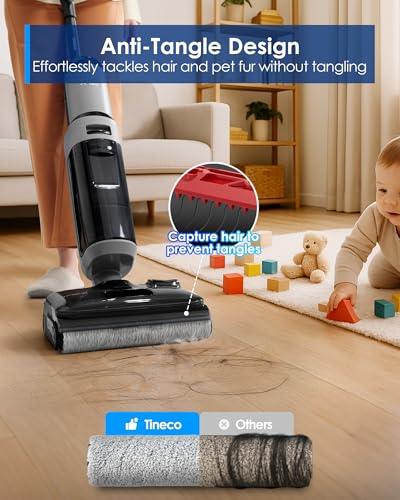
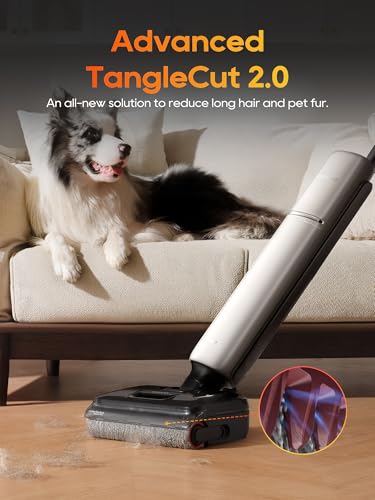
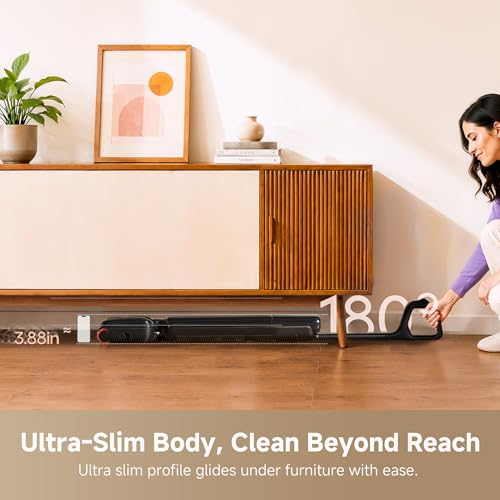
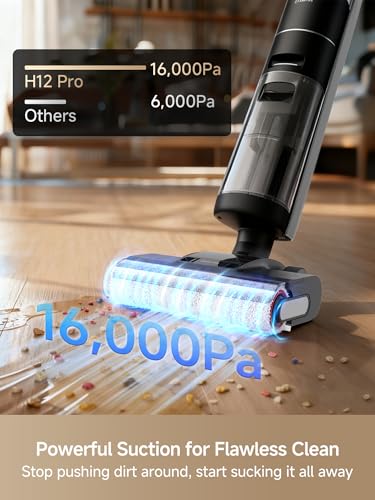
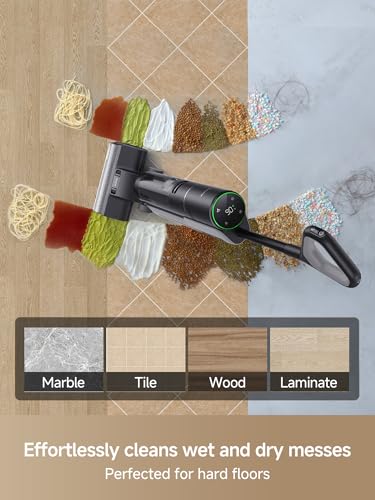
Match the cleaner to sealed hard floors and mixed wet-dry messes, not carpets: look for strong suction, active water pickup, good edge reach, and a roller design that can handle crumbs, pet hair, muddy water, sticky spills, and fine dust without turning debris into sludge. If you have pets or kids, check for anti-tangle features, a debris strainer in the dirty tank, and enough suction recovery to pull liquid back up so floors dry quickly rather than staying streaky or tacky. Also confirm the head can clean close to baseboards and under toe-kicks, because many wet-dry mops leave an unwashed strip along edges. Owner sentiment is strongest here: buyers frequently praise one-pass vacuuming and mopping, strong suction on pet hair, dirt, crumbs, food messes, and liquid spills, quick-drying floors, and solid everyday performance without frequent clogging.
Battery
Battery life matters because it determines whether you can finish your floors in one pass without stopping to recharge. Look for enough runtime to cover your typical cleaning area, and remember that higher suction or wet-cleaning modes can drain the battery faster than standard settings. Also consider charging time and whether the vacuum mop can be stored on a dock so it is ready when you need it.
Size battery expectations around wet cleaning mode, not dry-vac marketing numbers: runtime drops when suction, roller drive, water dispensing, and self-propulsion are all active. For apartments or a few rooms, a normal session rating may be enough; for large hard-floor homes, check real wet-mode runtime, recharge time, whether the battery is replaceable, and whether tank capacity will force stops before the battery does. Be cautious if you need repeated deep-clean passes, because battery aging can reduce coverage over time and non-removable packs can make long-term usefulness depend on battery health. Owners generally report enough runtime for normal sessions, multiple rooms, or even whole-home hard-floor cleaning, but the broader sentiment is more mixed on longevity and confidence over time.
Build
A vacuum mop deals with water, debris, moving brushes, and frequent emptying, so solid build quality affects how well it holds up to regular use. Look for sturdy plastics, secure tanks and latches, well-sealed water pathways, and brush or filter parts that feel easy to remove without being flimsy. Watch out for units that creak, leak, have loose-fitting components, or feel hard to clean, since those issues can become daily frustrations over time.
Inspect the parts that fail or get gross first: tank latches, gasket seals, dirty-water sensors, roller bearings, suction channels, dock contacts, and whether replacement rollers, filters, and cleaning solution are readily available. Wet-dry machines live with moisture, hair, grit, and detergent residue, so sturdy sealing, easy rinsing, good dock drainage, and an effective roller-drying or ventilation setup matter as much as outward fit and finish. Avoid designs with hard-to-clean crevices, flimsy tank clips, or sealed brush compartments, because leaks, odors, clogs, sensor errors, and roller-motor strain are common long-term pain points in this niche. Owner feedback often praises the lightweight cordless build and the upgrade over a mop for dirty water, sticky spots, crumbs, pet hair, and tracked-in dirt, but durability is the clearest watch-out, with some users reporting early failures after strong initial cleaning results.
1,000,000+ shoppers use Buyer's Guide every week to find the best products and services online.

Helping millions of users make smarter purchases online.


