





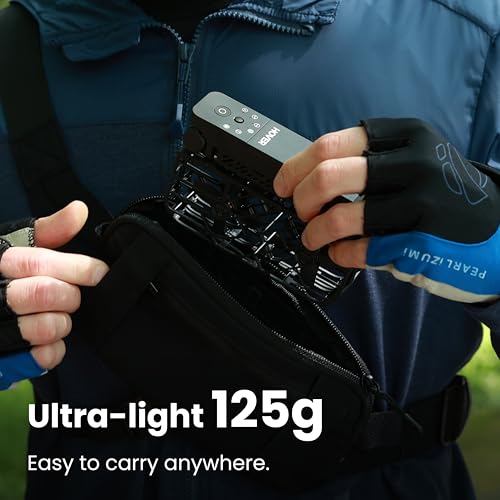


We also considered 10 others:


Our Top Choice
Compare Features


The order above is not editorial opinion, and it is not paid placement. It comes from what shoppers across our network actually do - which video drones they compare, and which they ultimately buy. We re-rank as new data comes in, so the long-term favorites have to keep earning their spot against new entrants. The full method, including how we make money.
Video Drones Buyer's Guide
Video drones force a tradeoff between portability, image quality, flight stability, and the legal/safety limits that come with putting a camera in the air. A careful buyer should focus first on whether the drone can hold a stable shot, return safely, and fit the rules and environments where it will actually be flown—not just on resolution or claimed range.
Build
Build quality matters because a drone has to handle vibration, travel, minor bumps, and repeated takeoffs and landings without developing loose parts or unreliable behavior. Look for a rigid, well-finished frame, secure arms and prop mounts, good fit around the battery and camera assembly, and a reputation for consistent reliability; be wary of flimsy plastics, wobbly hinges, poor weather sealing, or designs that are difficult to repair after minor damage.
For video-drone build quality, look beyond “small and portable” and check whether the airframe has replaceable propellers, protected motors, a rigid gimbal/camera mount, good ventilation, and a carrying setup that protects the lens and arms in a backpack. If you plan to travel or fly casually, also verify the takeoff weight class and any registration or remote-identification implications in your area; a few grams of accessories can change what rules apply. Owner feedback supports that compact beginner and travel drones can still feel high quality and capable, with many buyers praising lightweight starter models, easy launch designs, and self-flying camera modes for hiking, solo shots, and hands-free use.
Camera
Camera quality matters because it determines whether your drone captures sharp, stable photos and video or footage that looks shaky, soft, or washed out. Look for clear detail, good dynamic range, reliable stabilization, and useful shooting modes for the kind of scenes you want to capture. Also watch for limits like poor low-light performance, narrow field of view, or video specs that sound impressive but still produce mediocre real-world results.
For the camera, prioritize real stabilization over headline resolution: a mechanically stabilized gimbal, stable horizon, usable bitrate, good dynamic range, and non-laggy live view matter more than a “4K” label on a shaky fixed camera. If you want inspection shots, real-estate clips, or landscape video, check whether the camera tilts smoothly, records to onboard storage rather than only a phone feed, and produces usable detail at the distances you expect to fly. Owner sentiment backs this up: shoppers repeatedly liked clear photos, sharp 4K footage, smooth live view, stable-looking video, and, on more camera-focused models, flexible multi-camera or zoom capability.
Ease
If you’re new to drones or buying for a child, ease of use can make the difference between a fun first flight and a frustrating crash. Look for simple setup, clear controls, beginner-friendly flight modes, stable hovering, and safety features that help you learn gradually. Be cautious of drones with complex calibration, sensitive controls, or advanced features that add a steep learning curve before you can fly confidently.
For ease of use, choose a video drone with GPS-assisted hover, automatic takeoff and landing, low-speed beginner mode, clear calibration prompts, and a return-to-home process you understand before the first flight. Also check phone/controller compatibility, app requirements, firmware setup, and whether the drone can safely recover if the video feed drops, because many “easy” drones still become stressful when pairing, compass calibration, or return-home height is wrong. Owner reports reinforce that beginner mode, one-key launch/landing, quick pairing, easy calibration, steady hover, helpful apps, and simple return-home behavior make first flights much more confidence-building.
Flight
Flight performance determines how confidently you can control the drone and how smooth your footage or flying experience will feel. Look for stable hovering, responsive controls, predictable handling in turns and descents, and enough speed for your intended use without feeling twitchy. Watch out for drones that drift, lag on inputs, or struggle in light wind, since those issues can make flying harder and shots less reliable.
For flight performance, match the drone to your real flying environment: outdoor video needs GPS hold, predictable braking, enough wind resistance, reliable signal transmission, and a return-to-home altitude high enough to clear trees, roofs, and terrain. Avoid treating maximum range or top speed as the main measure; for filming, smooth control response, steady hovering, and stable footage in light-to-moderate wind are more important. Owners consistently praise drones that hover steadily, respond predictably, resist moderate wind, and remain fun and portable enough for families, hobbyists, and casual outdoor flyers.
Value
A drone’s value comes down to whether its camera quality, flight stability, safety features, battery life, and ease of use justify what you’re paying. You should look for a balanced package that matches how you’ll actually fly, and watch out for drones that seem inexpensive but require costly extras, have limited range, or lack features that help prevent crashes.
For value, compare the whole filming kit rather than the drone alone: controller type, gimbal quality, spare propellers, prop guards, batteries, charger, case, memory-card support, app features, and availability of replacement parts all affect the real cost of ownership. A cheaper drone can be a good buy for learning, but it is poor value if the camera is unstable, batteries are proprietary and hard to find, or crashes make it disposable. Owner sentiment shows strong satisfaction when budget-friendly drones deliver more capability than expected, useful 4K footage, approachable controls, and entry-level quality that feels justified for beginners or upgraders.
Battery
Battery life determines how long you can stay in the air before you have to land, swap packs, or stop to recharge, so it directly affects how much filming, practice, or exploring you can do in one outing. Look for realistic flight-time expectations, not just ideal lab numbers, and consider how quickly batteries charge, whether spares are easy to carry, and how performance changes in wind, cold, or more demanding flight modes.
For batteries, plan around usable flight time, not advertised maximums: wind, cold, recording video, return-to-home reserve, and beginner hovering practice all shorten flights. Look for multiple batteries, a safe multi-battery charger, clear battery-health indicators, and easy availability of replacements; also check travel limits for lithium batteries if you plan to fly on trips. Owners repeatedly value bundles with two or more batteries, saying extra packs reduce downtime, stretch beginner sessions, and make longer casual or feature-rich flying sessions more practical.
1,000,000+ shoppers use Buyer's Guide every week to find the best products and services online.

Helping millions of users make smarter purchases online.


