

















We also considered 10 others:


Our Top Choice
The order above is not editorial opinion, and it is not paid placement. It comes from what shoppers across our network actually do - which uv shoe sanitizers they compare, and which they ultimately buy. We re-rank as new data comes in, so the long-term favorites have to keep earning their spot against new entrants. The full method, including how we make money.
UV Shoe Sanitizers Buyer's Guide
UV shoe sanitizers sit at the intersection of hygiene, odor control, and moisture management: UV can only treat surfaces it actually reaches, while damp footwear often needs airflow and gentle heat before sanitizing helps. The sharpest buying concerns are safe UV or ozone containment, enough drying power for real boots and cleats, and a form factor that fits the shoes you actually wear.
UV Coverage
UV shoe sanitizing depends on direct light exposure, so interior geometry matters as much as lamp strength. A good design reduces shadowed areas and makes it easy to run a full cycle without guesswork.
Prioritize designs that place UV-C emitters inside the shoe cavity or in an enclosed chamber so light can reach the toe box, insole surface, tongue, and heel cup; a simple wand is more flexible but depends heavily on slow, direct exposure and careful positioning. UV-C works only where the light reaches, so deep shoes, dark interiors, removable insoles, and shadowed seams can limit results unless the design accounts for coverage and dwell time. Owner feedback supports UV tools as useful extra cleanliness aids, especially for travel surfaces and shared spaces, and buyers tend to like units that feel simple and effective once powered. Treat UV as a supplemental sanitizing step, not a substitute for removing mud, drying sweat, or washing removable liners when needed.
Drying Power
Moisture is the root of many shoe odor and hygiene problems, and UV is less useful if footwear stays damp. The best units dry the interior gently and evenly without overheating materials.
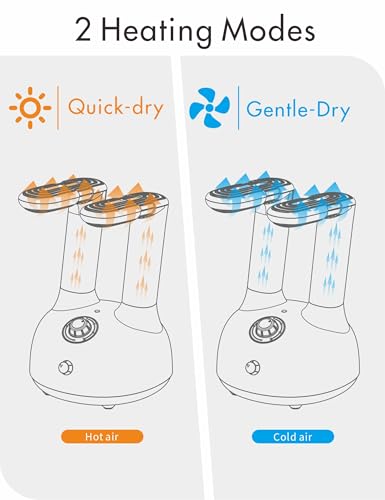
For damp boots, cleats, winter shoes, and work footwear, look for active airflow plus gentle warmth rather than intense heat; high heat can stress adhesives, leather, waterproof membranes, and foam midsoles. Tall boots need nozzles or tubes long enough to move air down into the footbed, while wet sneakers and cleats benefit from broad airflow around the toe box and tongue. Owners repeatedly praise models that dry wet winter boots, work boots, water shoes, and sports footwear much faster than air drying, often overnight, and strong airflow with warm output is called out as useful for genuinely wet boots. The main caution from feedback is that heat can feel modest or inconsistent, so shop for reliable warm drying rather than expecting a hot-air appliance.
Odor Control
Odor control is not just fragrance; it depends on moisture removal, airflow, and enough exposure time inside the shoe. A strong choice attacks the conditions that let odor linger instead of merely masking smells.
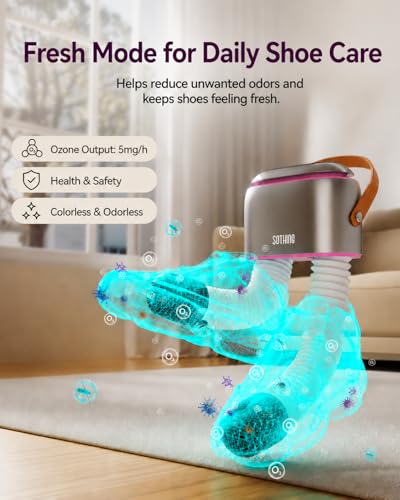
Choose odor control based on the source of the smell: moisture-driven odor needs drying first, while persistent sweat odor may benefit from UV exposure, ventilation, or a controlled deodorizing cycle. If a unit uses ozone, favor timed cycles, clear instructions, and post-cycle airing because ozone can leave a noticeable smell and should not be treated like a room freshener. Owner sentiment strongly supports odor benefits, with many buyers saying dried footwear smells fresher, stays odor-free, or benefits from an ozone deodorizing function for damp and sweaty shoes. Feedback is not universal, though, because some owners report mixed odor reduction or unwanted smells from the unit itself.
Safety Controls
UV-C and ozone can be useful in shoe care, but they require containment and controlled cycle times. Safety features reduce the chance of accidental exposure and make repeated use more consistent.
Avoid exposed UV-C operation around eyes, skin, children, pets, or reflective surfaces; enclosed chambers, covered shoe inserts, auto shutoff, cycle timers, and clear status indicators are safer than open-ended manual use. For ozone-capable units, look for sealed or shoe-contained operation, automatic timing, and instructions to ventilate footwear before wearing. Owner feedback highlights the appeal of simple, effective operation and useful timer behavior, which matters because sanitizing cycles should be repeatable rather than improvised. Noise and ozone functions can also be noticeable to some buyers, so placement in a ventilated utility area may be better than a bedroom or shared living space.
Fit & Portability
A sanitizer that does not physically fit your footwear will be inconvenient or ineffective. Power source, size, and nozzle shape determine whether it works better as a home boot dryer, a travel cleanliness tool, or both.
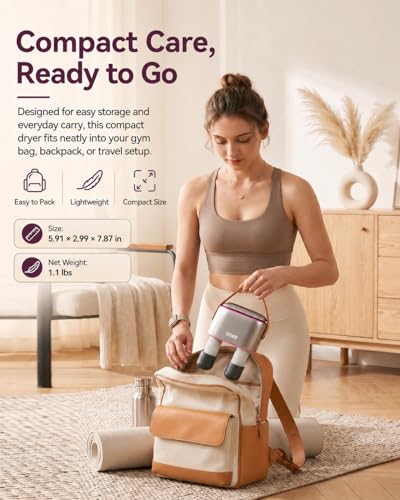
Match the form factor to your actual footwear: tall work boots need height and stable tubes, cleats need room for studs and airflow around the upper, and travel use favors compact plug-in or rechargeable designs. If you expect to sanitize hotel rooms, towels, pillows, or travel surfaces as well as shoes, a wand-style tool packs better but gives up the shoe-specific coverage and hands-off drying of a dedicated shoe unit. Owners value compact, lightweight designs for frequent travel, work trips, tournaments, and home use, and USB charging with long battery life is praised for use away from an outlet. Plug-in operation is still worth considering for regular overnight boot drying because it avoids depending on battery state.
Daily Durability
Shoe sanitizers and dryers often live near wet gear, mudrooms, lockers, or travel bags, so small durability flaws show up quickly. Reliable controls, stable construction, and manageable noise make the difference between a device used daily and one left unplugged.
For daily work boots or sports gear, inspect for sturdy housings, stable bases, reinforced nozzles, replaceable or cleanable parts, and controls that can survive wet hands and repeated cycles. Fanless units can be quieter and have fewer moving parts, while fan-driven models may dry faster but can add noise and another failure point. Owners often describe well-liked units as reliable, polished, quiet, and useful for regular drying of heavy work boots, gloves, and other gear, with several praising dependable overnight performance. The watch-out is build consistency: some buyers report defective or broken units, so warranty support and a straightforward return path matter in this category.
1,000,000+ shoppers use Buyer's Guide every week to find the best products and services online.

Helping millions of users make smarter purchases online.


