











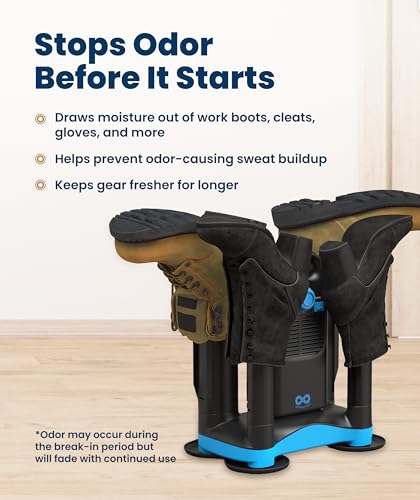


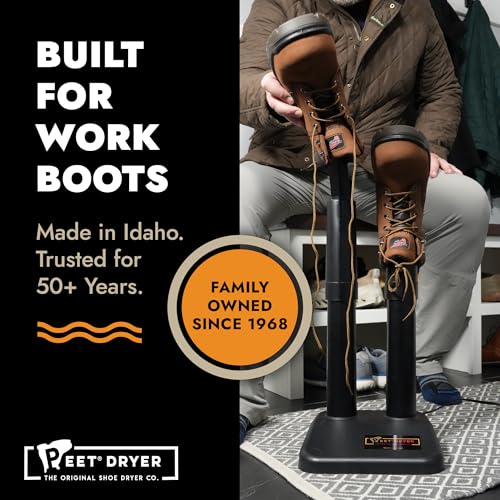
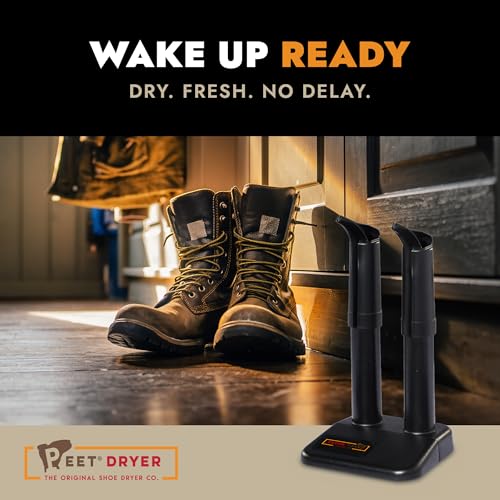
We also considered 10 others:


Our Top Choice
The order above is not editorial opinion, and it is not paid placement. It comes from what shoppers across our network actually do - which shoe dryers they compare, and which they ultimately buy. We re-rank as new data comes in, so the long-term favorites have to keep earning their spot against new entrants. The full method, including how we make money.
Shoe Dryers Buyer's Guide
Shoe dryers live in the tradeoff between drying soaked footwear fast enough for the next shift or game and doing it gently enough not to cook leather, liners, adhesives, or waterproof membranes. The sharpest buying questions are how much airflow and warmth you need, whether you can tolerate fan or deodorizer noise, and whether the ports actually fit your boots, cleats, gloves, or travel routine.
Drying Power
The best shoe dryer for this category is the one that matches the wettest footwear you actually use, not just lightly damp sneakers. Airflow, port design, and drying method determine whether moisture is pulled out of toe boxes and boot shafts overnight or remains trapped where odor and material damage start.
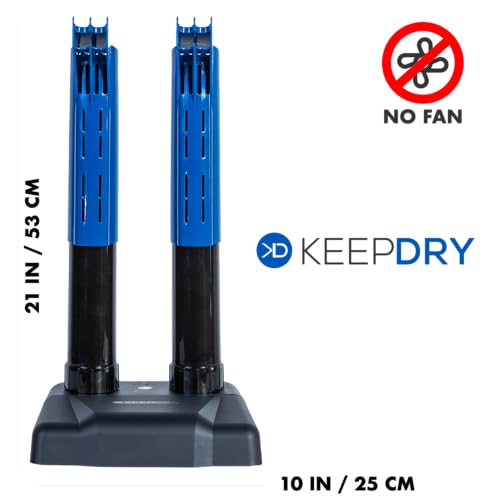
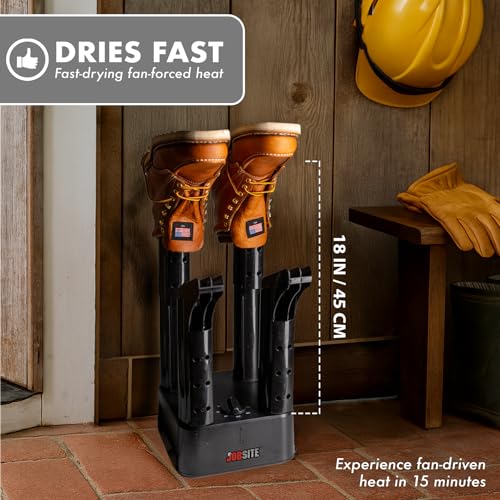
For work boots, winter boots, cleats, and water shoes that get genuinely soaked, prioritize a dryer with active airflow, tall boot tubes or extensions, and enough port spacing to let air circulate instead of sealing the opening. Fanless convection models can be excellent for quiet overnight drying, but they are usually better treated as warm, steady dryers rather than high-speed rescue tools for saturated insulation. Avoid designs where the shoe opening sits too tightly on the outlet, because blocked airflow can leave toes damp even if the collar feels dry. Owner feedback strongly supports making drying performance the first cut: buyers repeatedly report wet winter boots, work boots, cleats, sneakers, and even heavily soaked footwear drying much faster than air drying, often overnight for next-day use. The strongest praise clusters around reliable drying for regular work, winter, sports, and water-shoe use.
Gentle Heat
Heat helps move moisture, but too much heat can shorten the life of footwear by stressing leather, foam, glue, and waterproof barriers. A good shoe dryer should feel warm and controlled rather than hot, especially when used overnight or on expensive boots.
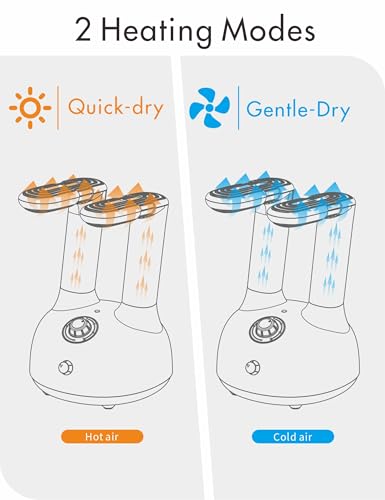
Look for controlled warm-air drying, thermostat or temperature-limited operation, and automatic overheat protection; avoid any dryer that depends on intense heat to compensate for weak airflow. For leather boots, molded insoles, glued athletic shoes, waterproof membranes, and kids’ shoes, gentle warmth is safer than a high-heat blast, and removable insoles should be dried separately when possible. If you plan to run the dryer overnight, a stable warm output matters more than peak temperature. Owner sentiment matches this caution: some buyers like that fanless units get warm enough to work without feeling too hot, while broader feedback says heat can be modest or inconsistent and expectations should be for warm drying rather than intense heat. Buyers also praise strong airflow plus heat for genuinely wet boots, which points to balanced drying rather than heat alone.
Fit & Capacity
A shoe dryer only works well if the footwear sits correctly on it. Boot height, opening width, port count, and accessory support decide whether it can handle one person’s work boots, a family’s sneakers, or extra gear like gloves.
Match the dryer layout to your actual load: tall work or winter boots need extension tubes; low sneakers and cleats need ports that reach airflow into the toe box; families or athletes may need four ports; and hunters, skiers, or workers may want attachments for gloves, hats, or liners. If you travel for jobs, tournaments, or winter trips, check whether the unit is compact, has a simple plug-in design, and packs without fragile protruding tubes. Avoid assuming “boot dryer” means it fits bulky insulated boots unless the shaft clearance and tube height make sense. Owner reports highlight this use-case spread: buyers describe strong everyday usefulness for heavy work boots, gloves, wet work boots, cleats, sneakers, winter footwear, water shoes, and travel. Compact plug-in designs are especially appreciated for work trips, tournaments, and home use.
Odor Control
Drying prevents the damp environment that causes lingering shoe smell, but deodorizing features vary widely. Odor control matters most for sweaty work boots, athletic shoes, and footwear that cannot be washed often.
If smell is a major problem, choose a dryer that fully dries the toe box and liner first, then consider a deodorizing mode as a secondary feature. Ozone-style deodorizing can help with stubborn odors, but it should be used carefully according to the instructions, away from people and pets during operation, and in a space that can ventilate afterward; avoid treating ozone as a harmless fragrance feature. For sensitive households, a plain warm-air dryer plus regular insole removal may be the better fit. Owners often praise fresher footwear after drying, including reports of less smell, odor-free boots, and ozone deodorizing that helps remove lingering damp or sweaty odor. The caveat is that odor feedback is mixed in places, with some buyers reporting unwanted smells from the unit itself, so deodorizing features should not outweigh drying performance and safe operation.
Noise & Controls
Many shoe dryers run for hours, often overnight or in shared spaces, so sound and controls affect whether the dryer actually gets used. Timers and simple controls also reduce the risk of forgetting a cycle or over-drying delicate footwear.
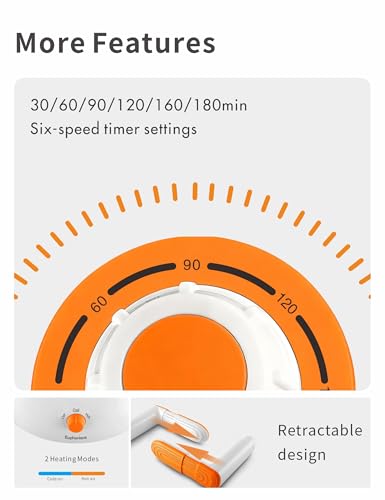
Decide where the dryer will run before choosing the design: fanless models are best for bedrooms, mudrooms near living spaces, or overnight quiet, while fan-driven models may dry faster but can add noticeable fan noise. Look for a timer or auto-shutoff with practical cycle lengths for damp sneakers versus soaked boots, plus controls that are easy to set with cold or dirty hands. If a deodorizer or ozone mode has its own sound, treat that as part of the noise profile, not a bonus you can ignore. Owner feedback shows this tradeoff clearly. Some buyers praise genuinely quiet fanless operation and polished day-to-day behavior with useful timer behavior and low noise, while others say fan or ozone functions are noticeable. Ease of use is repeatedly valued when the dryer simply works without much fuss.
Build Quality
Shoe dryers are exposed to moisture, heat cycles, boot weight, and repeated handling, so weak housings, loose ports, or early electrical failures can turn a useful tool into a risk or nuisance. Reliability matters most for people who depend on dry boots every day rather than occasionally drying sneakers.
Choose a dryer with stable construction, secure tubes, heat-resistant materials, strain relief at the cord, and enough base weight that tall boots do not tip it over. For daily work boots, prioritize replaceable or sturdy attachments and simple electronics over fragile gimmicks; for portable plug-in styles, inspect hinge points, prongs, and small fans because those are common stress points. Avoid units with reports of broken housings, defective operation, or inconsistent heat if you need it as part of a work routine. Sentiment is mostly positive on everyday usefulness and reliability, especially for people drying work boots regularly, and some owners view these dryers as well worth it when boots get wet often. The main watch-out is build quality: feedback includes defective or broken units, and durability is not fully settled across related gear, so reliability should be checked before treating any dryer as a daily-use essential.
1,000,000+ shoppers use Buyer's Guide every week to find the best products and services online.

Helping millions of users make smarter purchases online.


