








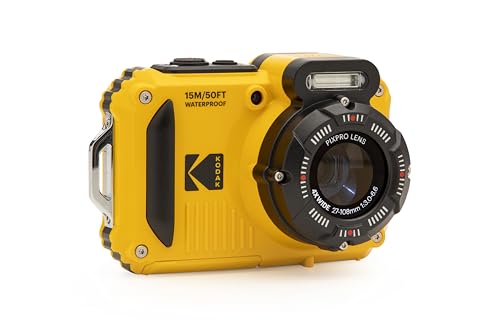



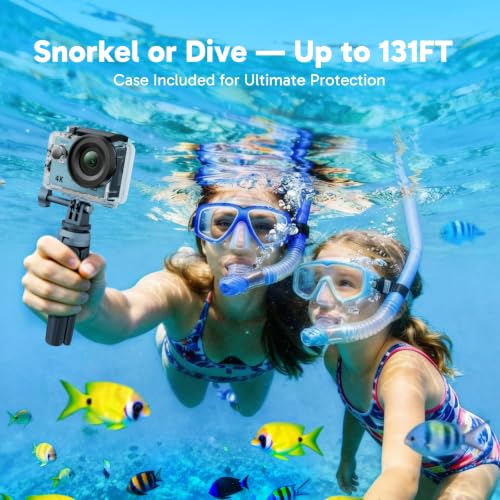


We also considered 10 others:


Our Top Choice
Compare Features


The order above is not editorial opinion, and it is not paid placement. It comes from what shoppers across our network actually do - which underwater cameras they compare, and which they ultimately buy. We re-rank as new data comes in, so the long-term favorites have to keep earning their spot against new entrants. The full method, including how we make money.
Underwater Cameras Buyer's Guide
Underwater cameras are a tradeoff between image quality and survivability: the best-looking footage is worthless if a seal leaks, a housing fogs, or the controls are unusable once your hands are wet. Prioritize the exact water rating, housing/seal design, battery access, and low-light/color performance for your activity—snorkeling, pools, kayaking, fishing, or deeper dives all stress the camera differently.
Quality
A digital camera’s quality and reliability matter because you’re trusting it to perform consistently when a shot can’t be repeated. Look for solid build, dependable autofocus and exposure, durable controls, good battery and card performance, and a reputation for stable operation over long-term use. Watch out for cameras that feel flimsy, overheat easily, freeze or lag, or have user reports of recurring mechanical or software issues.
Look first for construction details that prevent flood failure: a clearly stated depth rating for your intended use, a locking battery/card door, replaceable or inspectable gaskets, corrosion-resistant buttons, and a housing or body that does not flex around seals. For action-style models, also check whether image stabilization works inside the waterproof case and whether the lens port is scratch-resistant, because a scuffed or fogged port can ruin every shot. Owner feedback supports this priority: buyers most often praise models that feel well made and work reliably in real outdoor and water-use scenarios, especially when the waterproof case is installed, while the best-regarded options combine clear footage with a compact, dependable build.
Features
Features matter because they determine how well a digital camera fits the way you actually shoot, from built-in modes and connectivity to accessory support, lens options, and rugged or waterproof construction. Look for useful functions you’ll rely on often, not just long spec lists, and make sure the camera’s controls, size, styling, and expandability suit your skill level and typical subjects.
Choose features based on the water environment, not just the spec sheet: for snorkeling and pools, built-in waterproofing plus a float strap may be enough; for rough water, diving, or mounted sports use, a hard waterproof case, secure latch, tether point, anti-fog inserts, and strong mounts matter more. If you plan to film yourself or family in shallow water, dual screens, one-button recording, and a wide field of view are practical; if you want to keep a phone away from saltwater, a simple waterproof point-and-shoot or disposable-style option may be safer than carrying your main device. Owner sentiment backs these needs: waterproof performance is frequently trusted for beaches, pools, snorkeling, and outdoor activities, and buyers like bundles that include enough mounts and accessories to start using the camera immediately.
Value
Value for money matters because a digital camera should justify its cost with the features, image quality, handling, and reliability you’ll actually use. Look beyond the body price and consider what’s included or required, such as lenses, batteries, storage, and accessories, while watching out for cameras that add flashy specs but compromise on core performance or usability.
Judge value by the complete underwater kit, not the camera alone: include the cost and quality of the waterproof case, spare batteries, charger, mounts, float grip, memory card, anti-fog inserts, replacement seals, and any needed lights. Avoid paying mainly for inflated resolution claims if the camera lacks reliable waterproofing, usable stabilization, or enough battery capacity for a full outing. Owners tend to see strong value when a camera delivers crisp video, capable construction, useful accessories, and travel-ready portability together; bundled mounts, included storage, and dependable runtime are repeatedly mentioned as reasons a camera feels worth it.
Battery
Battery life matters because it determines how long you can shoot without stopping to recharge or swap batteries, especially during travel, events, or long days outdoors. Look for a camera that matches your shooting style, and remember that video recording, continuous autofocus, bright screens, wireless features, and cold weather can drain power faster than casual still photography. Also consider how it charges, including USB charging support and recharge speed, so you know whether you can top it up easily between sessions.
For underwater use, battery planning is a safety and practicality issue because you usually cannot swap batteries while wet without risking water inside the compartment. Look for enough runtime for the full session, included spare batteries, external charging, USB-C convenience, and a door design that is easy to dry completely before opening; for fishing, long snorkel sessions, or all-day boat use, prioritize multi-hour endurance over maximum resolution. Owner feedback is mixed enough to make this a key checkpoint: many buyers report long recording sessions, fast charging, spare-battery convenience, or multi-day casual use, but others say some cameras die quickly or develop charging and reliability concerns over time.
Image
Image quality determines how sharp, detailed, and natural your photos look, especially when you crop, print, or shoot in challenging light. Look for a camera that delivers accurate color, clean detail, and consistent results across different scenes, not just impressive-looking sample shots in ideal conditions. Also watch for overprocessed images that appear too smooth, too contrasty, or unnaturally saturated.
Underwater image quality depends less on headline resolution and more on light, color handling, stabilization, lens clarity, and close-focus ability. Look for sharp footage at realistic settings, good color below the surface, adjustable white balance or underwater color modes, usable low-light performance, and a wide lens that does not turn faces or fish into smeared edges; for fishing cameras, clear 1080p detail can be more useful than higher-resolution marketing if it lets you identify fish and bottom structure. Owner reports reinforce this: the most praised cameras produce sharp, colorful photos, detailed video, crisp underwater footage, and clear views of fish or underwater detail, with some buyers especially impressed by image quality at budget-friendly levels.
Usability
You’ll get more out of a digital camera if it feels easy to pick up, set up, and adjust without constantly digging through confusing menus. Look for clear controls, helpful automatic modes, and simple playback or sharing steps, especially if the camera is for a beginner or kid. Watch out for models with tiny buttons, cluttered interfaces, or too many advanced settings if you want photography to feel fun rather than frustrating.
Before buying, picture using the camera with wet hands, gloves, glare, current, and limited time to frame the shot. Large tactile buttons, simple menus, a bright screen, one-button recording, a secure wrist strap, and an easy-to-open-but-secure latch matter more underwater than advanced controls buried in menus; for disposable or film-style options, check whether advancing frames is practical underwater and remember that no flash limits darker scenes. Owner sentiment aligns with this: buyers like simple controls, approachable setup, dual screens for framing selfies, compact carry, easy app connection, and flexible mounts, though some note that certain underwater controls can feel awkward in practice.
1,000,000+ shoppers use Buyer's Guide every week to find the best products and services online.

Helping millions of users make smarter purchases online.


