











We also considered 10 others:


Our Top Choice
Compare Features


The order above is not editorial opinion, and it is not paid placement. It comes from what shoppers across our network actually do - which cheap underwater cameras they compare, and which they ultimately buy. We re-rank as new data comes in, so the long-term favorites have to keep earning their spot against new entrants. The full method, including how we make money.
Cheap Underwater Cameras Buyer's Guide
Cheap underwater cameras are a tradeoff between getting worry-free water footage and accepting limits in sealing, low-light image quality, and battery endurance. The sharpest buying concerns are whether the camera’s waterproofing truly fits your depth and activity, and whether the image will still look usable in real water conditions rather than only in bright marketing samples.
Quality
A digital camera’s quality and reliability matter because you’re trusting it to perform consistently when a shot can’t be repeated. Look for solid build, dependable autofocus and exposure, durable controls, good battery and card performance, and a reputation for stable operation over long-term use. Watch out for cameras that feel flimsy, overheat easily, freeze or lag, or have user reports of recurring mechanical or software issues.
For a cheap underwater camera, judge quality by whether it can survive the actual water use you have planned: check the rated depth, whether waterproofing depends on a separate housing, the condition and replaceability of the door seals or O-rings, and whether the latch feels secure enough for waves, pool play, or boat handling. Avoid assuming “waterproof” means maintenance-free; sand, hair, sunscreen, or a pinched gasket can flood a budget camera, so a model that works reliably with its waterproof case and feels solidly assembled is more important than headline resolution alone. Owner feedback supports this priority: buyers often praise budget models that feel capable and well made, work in real outdoor and water-use scenarios with the waterproof case installed, and produce sharp, colorful photos or crisp 4K-style video for the money.
Features
Features matter because they determine how well a digital camera fits the way you actually shoot, from built-in modes and connectivity to accessory support, lens options, and rugged or waterproof construction. Look for useful functions you’ll rely on often, not just long spec lists, and make sure the camera’s controls, size, styling, and expandability suit your skill level and typical subjects.
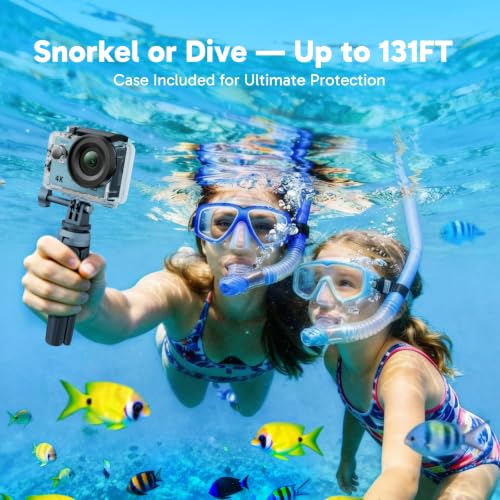
Prioritize underwater-specific features over generic action-cam extras: a properly fitted waterproof case, physical buttons that remain usable through the housing, a float strap or tether point, anti-fog options, tripod or pole compatibility, and enough mounts for the way you will actually shoot from a snorkel mask, kayak, pier, helmet, dashboard, or boat rail. If you plan to fish or inspect underwater structure, look for a bright screen, easy angle adjustment, and simple deployment; if you are buying for a beach trip, a disposable-style waterproof camera can be useful mainly because it keeps a phone away from saltwater and sand. Owners frequently value these exact practical inclusions, reporting confidence in waterproof performance and appreciating bundles with mounts, waterproof cases, remotes, chargers, spare batteries, and accessories that let them start using the camera immediately for sports, travel, lakes, boats, piers, snorkeling, and swimming.
Usability
You’ll get more out of a digital camera if it feels easy to pick up, set up, and adjust without constantly digging through confusing menus. Look for clear controls, helpful automatic modes, and simple playback or sharing steps, especially if the camera is for a beginner or kid. Watch out for models with tiny buttons, cluttered interfaces, or too many advanced settings if you want photography to feel fun rather than frustrating.
Underwater usability comes down to whether you can operate the camera when wet, moving, or wearing gloves—not just whether the menu looks simple on land. Look for large buttons, clear mode indicators, a screen bright enough to see in sun and shallow water, quick start/stop recording, dual screens if selfies or kid use matter, and a secure wrist strap because small cameras are easy to drop in waves. For children, favor rounded, small-hand-friendly bodies and very simple controls over advanced settings. Owner sentiment backs this up: shoppers praise simple menus, compact designs, dual screens for framing, easy setup for beginners, and kid-friendly cameras that young children can use independently, including in everyday water-play and vacation settings.
Value
Value for money matters because a digital camera should justify its cost with the features, image quality, handling, and reliability you’ll actually use. Look beyond the body price and consider what’s included or required, such as lenses, batteries, storage, and accessories, while watching out for cameras that add flashy specs but compromise on core performance or usability.
The best value in this category is not just the lowest camera cost; it is the kit that avoids immediate add-on purchases and reduces the risk of water damage. Check whether the package includes a waterproof case, spare battery, charger, mounts you will actually use, a tether or float option, and a compatible memory card, then confirm replacement accessories are available if the housing cracks or a latch breaks. Keep expectations realistic: cheap underwater cameras can be excellent for vacation clips, snorkeling memories, fishing checks, and kids’ use, but they are not substitutes for premium dive cameras in low light or deep water. Owner feedback aligns with this value calculation, with buyers praising low-cost cameras that deliver crisp, stable video for the price, feel like capable alternatives to pricier action cams, and include useful bundles such as mounts, cases, remotes, chargers, spare batteries, or memory cards.
Image
Image quality determines how sharp, detailed, and natural your photos look, especially when you crop, print, or shoot in challenging light. Look for a camera that delivers accurate color, clean detail, and consistent results across different scenes, not just impressive-looking sample shots in ideal conditions. Also watch for overprocessed images that appear too smooth, too contrasty, or unnaturally saturated.
For underwater image quality, look beyond the advertised resolution: water cuts contrast and red light quickly, so lens clarity, sensor performance in lower light, stabilization, close-focus ability, screen visibility, and color handling matter more than a “4K” or “1080P” label. If you will snorkel in bright shallow water, many budget cameras can look surprisingly good; if you will shoot in cloudy lakes, deeper water, or indoor pools, expect grain, muted color, and less detail unless the camera has strong low-light handling or accepts filters/lights. Owners often report better-than-expected sharp underwater footage, pleasing color, crisp video, bright screens, and clear views of fish or underwater structure, but some also warn that image quality can look lower-resolution or grainier than marketing claims suggest.
Battery
Battery life matters because it determines how long you can shoot without stopping to recharge or swap batteries, especially during travel, events, or long days outdoors. Look for a camera that matches your shooting style, and remember that video recording, continuous autofocus, bright screens, wireless features, and cold weather can drain power faster than casual still photography. Also consider how it charges, including USB charging support and recharge speed, so you know whether you can top it up easily between sessions.
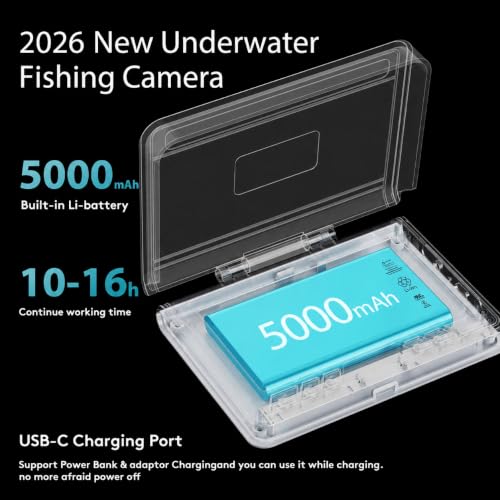
Battery planning is especially important underwater because you usually cannot swap batteries once the camera is sealed in its case, and cold water, continuous video, Wi-Fi, high resolution, and screen use all shorten runtime. Look for included spare batteries, an external charger, clear battery indicators, and realistic recording-time expectations; for boat, snorkel, or ice-fishing sessions, start with fully charged spares and test runtime before the trip. Owner reports are positive when cameras include two batteries or a spare that extends outings, but battery life is also one of the more inconsistent areas, with some buyers seeing dependable performance while others report short recording limits, charging issues, or endurance that falls below expectations.
1,000,000+ shoppers use Buyer's Guide every week to find the best products and services online.

Helping millions of users make smarter purchases online.


