


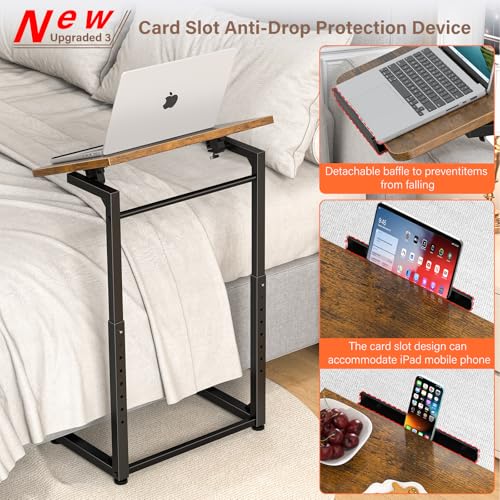



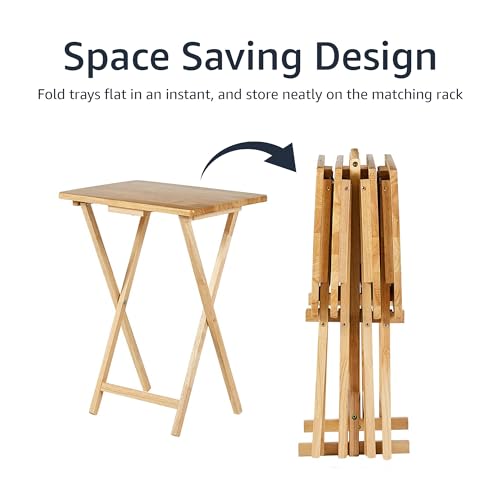


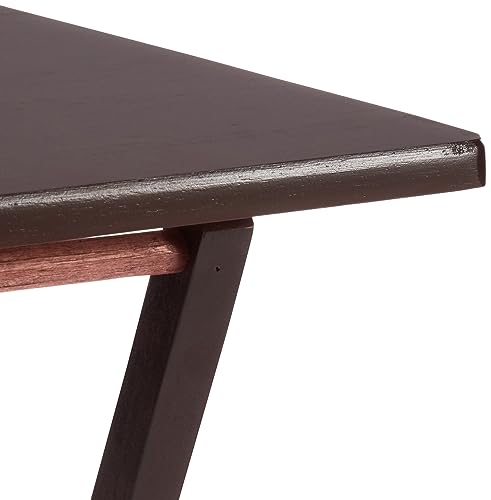
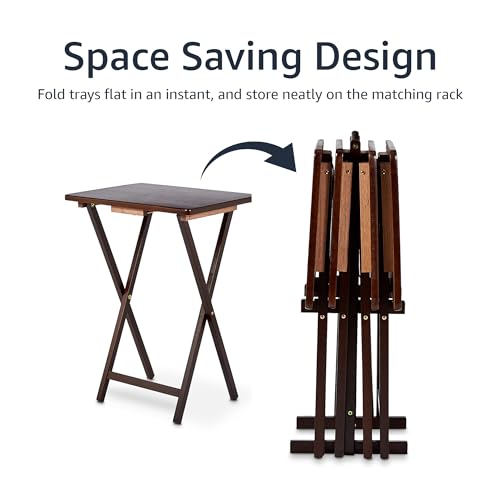


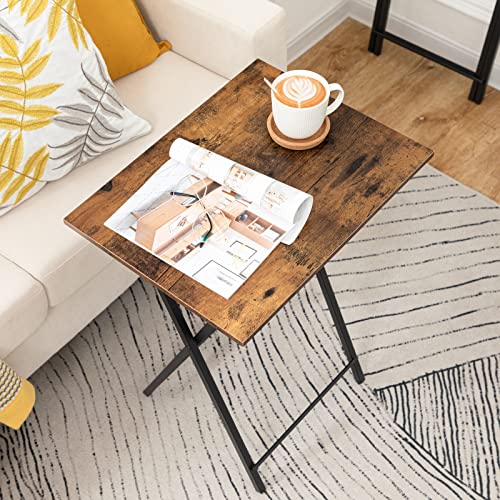
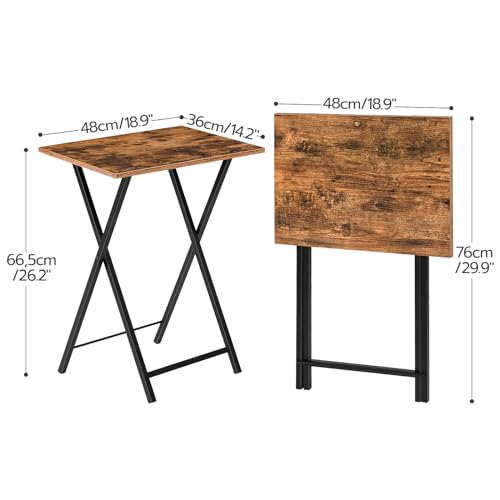


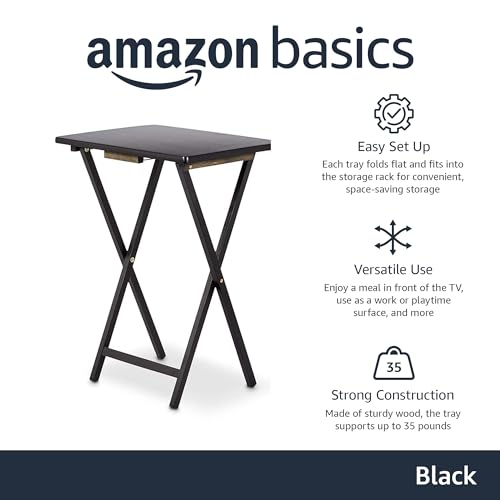
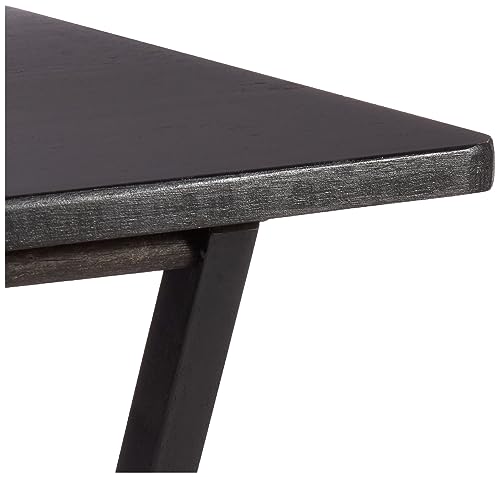



We also considered 10 others:


Our Top Choice
The order above is not editorial opinion, and it is not paid placement. It comes from what shoppers across our network actually do - which tv trays they compare, and which they ultimately buy. We re-rank as new data comes in, so the long-term favorites have to keep earning their spot against new entrants. The full method, including how we make money.
TV Trays Buyer's Guide
TV trays have to balance compact convenience with enough reach, stability, and surface area to be useful beside real seating. The sharpest buying concerns are whether the tray actually fits your couch, recliner, or bed setup and whether it stays steady when holding food, drinks, devices, or bedside essentials.
Fit & Reach
TV trays live or die by fit: a tray that is the wrong height, depth, or reach can be sturdy and still feel useless. Small tops save space, but they limit full-meal, laptop, craft, or multi-item use.
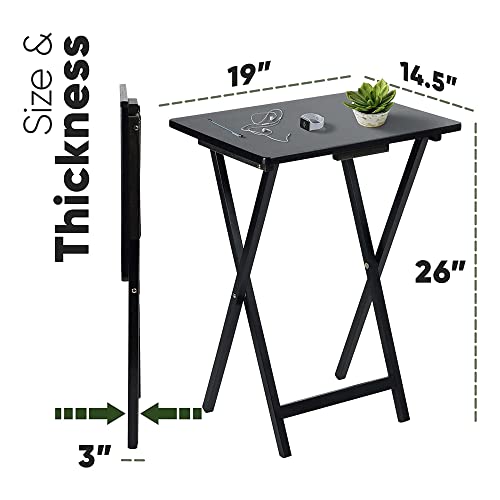
Measure before you buy: compare the tray height range to your sofa, recliner, chair, or bed height, and check both tabletop size and how far the top reaches from the base. For recliners and keyboard use, a compact top may not project far enough over your lap; for meals, make sure it can hold more than just a plate if you also need a drink, remote, or tablet. Owner feedback supports this tradeoff: compact trays are appreciated in tight spaces and for snacks, but several buyers found some tops smaller than expected or not far-reaching enough for certain recliners or keyboard-tray setups.
Steady Balance
A TV tray often holds spillable items next to soft seating, where bumps and uneven loading are common. Stability matters more than raw load claims because the tray is usually cantilevered, rolled, or tucked beside furniture.
Prioritize a wide, balanced base and a frame that stays steady when the tray is pulled close to a couch or bed. Avoid loading the far edge with heavy plates, laptops, or drinks if the top is offset from the base, because TV trays and C-tables can become top-heavy when weight is uneven. Owners frequently praised solid, sturdy construction for everyday light use, but also noted that stability can suffer when the table is loaded unevenly or positioned with the base and top offset.
Easy Positioning
Many shoppers use TV trays in more than one spot, so easy positioning can matter as much as tabletop size. Wheels, locks, and adjustment points determine whether the tray feels convenient or constantly in the way.
For use beside a bed, recliner, or couch, look for smooth-rolling casters, lockable wheels, and easy height or swivel adjustments that let the tray move in without scraping furniture. Locking casters are especially useful once drinks, meals, tablets, or recovery essentials are on the surface. Owner sentiment strongly favors rolling, adjustable, and swiveling designs because they make the tray more useful as a couch tray, bedside table, laptop stand, snack table, or craft-side surface.
Surface Utility
The tabletop is the working part of a TV tray, so shape, finish, and usable area matter every day. A surface that is easy to wipe and large enough for the intended task prevents the tray from becoming a cramped or fussy accessory.
Choose the surface around your real use: meals need enough depth for a plate and drink, laptop use needs a flat stable top, and bedside or recovery use benefits from space for essentials without crowding. A sealed, wipe-clean top and rounded or protected edges are practical because TV trays regularly handle drinks, snacks, and small spills near upholstery. Owners praised trays that worked as everyday side surfaces for drinks, books, plates, tablets, and nearby essentials, and they specifically liked polished, easy-clean tops over basic snack-tray styling.
Build & Setup
TV trays are often small assemble-at-home furniture, so hardware quality and alignment affect both appearance and stability. Easy assembly is not just convenience; it helps the tray start out level, tight, and dependable.
Look for a frame and hardware setup that can be assembled squarely and tightened securely; loose joints are a common path to wobble in small tray furniture. Metal-and-wood or metal-framed designs can feel more like real side furniture when the finish is clean and the structure is rigid, while flimsy hardware or unclear alignment can undermine the tray before it is used. Owners repeatedly described setup as quick and approachable, and they often connected good construction with a sturdier, nicer-looking finished table rather than a flimsy or clinical-looking tray.
1,000,000+ shoppers use Buyer's Guide every week to find the best products and services online.

Helping millions of users make smarter purchases online.


