


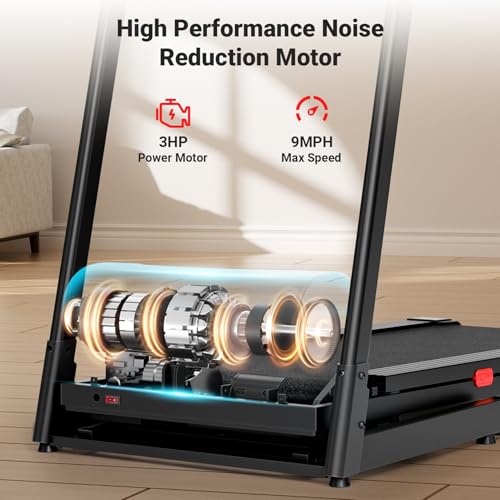

- Speed: 0 - 9 mph
- Incline: 0 - 12%
- Presets: Not indicated
- Belt: 17.7" wide x 44" long
- Weight Limit: 300 lbs





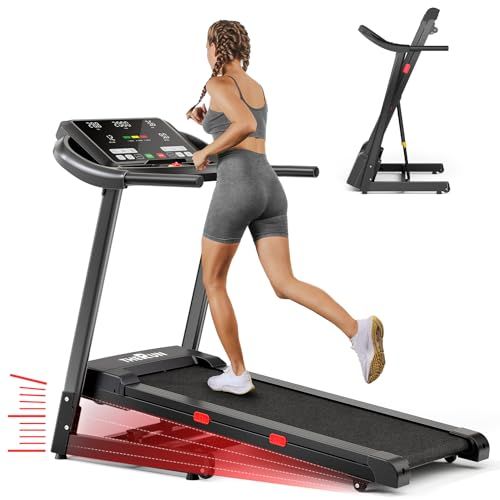
THERUN Incline Treadmill
Overview and Everyday Performance

The THERUN Incline Treadmill is designed for people who want the convenience of walking or running indoors without giving up the training variety that incline work can provide. Incline training matters because it changes the demands on your muscles and cardiovascular system, helping you build endurance and leg strength while also making steady-state workouts feel more engaging. In day-to-day use, what most people notice first is how easily a treadmill fits into a routine: you can step on for a quick walk during a busy workday, do intervals when the weather is bad, or hit a consistent pace without worrying about traffic, uneven sidewalks, or seasonal temperatures.
For casual walkers and new runners, the THERUN’s appeal is typically its mix of practicality and progression. A treadmill with incline gives you a way to scale difficulty without needing to run faster, which is helpful if you’re managing joint comfort, returning from a break, or simply prefer hiking-style workouts. As long as the deck feels stable underfoot and the belt runs smoothly at your chosen speeds, most users will find it supports both relaxed walking sessions and more demanding training blocks. If you’re the type who values quick sessions, features like easy speed and incline controls can make the difference between using it daily and letting it sit unused.
Noise and vibration are also part of real-world performance. Apartment dwellers, early-morning exercisers, and anyone sharing space should think about how loud the motor and footfalls might be, and whether the frame feels solid when you pick up the pace. A treadmill that performs well in a showroom can still be frustrating at home if it rattles on hardwood floors or transmits impact to the room below. If you expect to walk a lot rather than sprint, consistent low-to-moderate operation and a comfortable stride often matter more than top speed specs.
Finally, pay attention to how you’ll actually use incline. Many buyers love the idea of incline but end up keeping it flat if the controls are awkward or the incline range is too limited to feel worthwhile. A treadmill that makes incline adjustments convenient encourages more varied workouts, which is often the whole point of choosing an incline model in the first place.
Factors to Consider Before Buying (and What Matters Most)
Before purchasing the THERUN Incline Treadmill, the most important factor to consider is fit: fit for your body, your space, and your routine. Everything else is secondary if the treadmill doesn’t feel comfortable to run on, doesn’t fit where you need it, or doesn’t match your intended frequency of use.
Start with space and storage. Measure the footprint you can dedicate, including clearance behind the treadmill for safety. If you plan to move it between rooms or tuck it away, weight and portability become important. A treadmill that’s technically “compact” can still be inconvenient if you have tight hallways, thick carpet, or limited storage. Also consider ceiling height if you’ll run with incline; incline elevates the running surface and can reduce headroom in basements or rooms with low ceilings.
Next is the running surface. Belt width and deck length determine how natural your stride feels, particularly for taller users or those with a longer gait. Walkers can often be comfortable on a smaller deck, but runners usually appreciate extra length to avoid feeling like they’re constantly guarding against stepping off the back. Deck cushioning is another key consideration. Some people want a slightly softer feel to reduce impact, while others prefer a firmer platform for responsiveness. The “right” feel depends on your joints, your shoes, and your training style, so it’s worth prioritizing comfort over flashy features.
Motor capability matters most if you plan to run frequently, do intervals, or use incline at higher speeds. Incline adds load, and a treadmill that feels fine for walking can struggle when you combine faster paces with steeper grades. Look for consistent performance at the speeds you’ll actually use, not just the maximum. If you’re primarily a walker, smooth operation at low speeds and a stable deck may matter more than peak power.
Incline range and adjustability should match your goals. If you want hill training, brisk incline walking, or calorie-focused sessions, having enough incline to feel a meaningful change is valuable. Equally important is how easy it is to adjust incline mid-workout. Convenient controls encourage you to use incline in intervals or gradual climbs instead of leaving it at one setting.
Stability and build quality are crucial for confidence and safety. If the frame flexes, shakes, or feels unsteady when you increase pace, you’ll subconsciously hold back. That affects training quality and enjoyment. Pay attention to the maximum user weight rating, not as a judgment but as a proxy for structural robustness. In general, choosing a treadmill with a capacity comfortably above your body weight can improve long-term durability.
Electronics and interface features should support, not distract from, your routine. Some users want simple, clear readouts and quick controls; others value workout programs, app connectivity, or heart-rate integration. The most important point is that the console should be readable and intuitive while you’re moving. If you have to fumble with buttons or the display is hard to see, even good features become friction.
Maintenance and ownership costs can be overlooked but make a big difference. Consider how easy it is to lubricate the belt, adjust belt tracking, and clean around the motor area. Also consider the warranty and customer support reputation, since treadmills are long-term purchases and issues can arise after months of use. For many buyers, a reliable warranty and accessible parts are as important as incline features.
If you had to prioritize only a few considerations, focus on deck comfort and size, stability at your intended speeds and incline, and how well the treadmill fits your space. Those are the elements most likely to determine whether you’ll enjoy using it consistently for years.
Common Questions
Can the THERUN Incline Treadmill work for both walking and running? Yes, as long as the deck feels stable at your running pace and the belt length suits your stride. Walkers typically have fewer constraints, while runners should pay closer attention to deck length, stability, and how the treadmill behaves at higher speeds with incline.
How much does incline matter for fitness results? Incline can significantly increase workout intensity without requiring faster speeds. It’s especially helpful for brisk walking workouts, hill-style endurance training, and adding variety when you’re short on time.
Is it loud enough to bother people in another room or apartment neighbors? It depends on your flooring, your pace, and the treadmill’s vibration control. Walking is usually quieter than running. Using a treadmill mat, placing it on a stable surface, and keeping the belt properly maintained can reduce noise and vibration.
What should I check before buying to make sure it fits my home? Measure the area where it will sit, confirm you have safe clearance behind it, and check ceiling height if you plan to use incline. Also consider how you’ll move it into the room, including doorways and tight turns.
Do I need special maintenance to keep it running smoothly? Basic care typically includes keeping the belt clean, ensuring proper belt alignment, and lubricating according to the manufacturer’s guidance. Staying on top of simple maintenance usually improves performance and extends the treadmill’s lifespan.
Overall, the THERUN Incline Treadmill is an appealing option for anyone who wants the convenience of indoor cardio with the added challenge and variety of incline training. If you prioritize comfort underfoot, stable performance at the speeds you’ll actually use, and a setup that fits naturally into your living space, you’ll be far more likely to enjoy consistent workouts and see long-term value from your purchase.