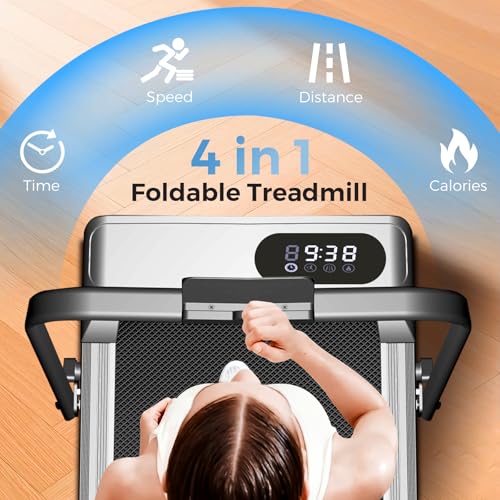
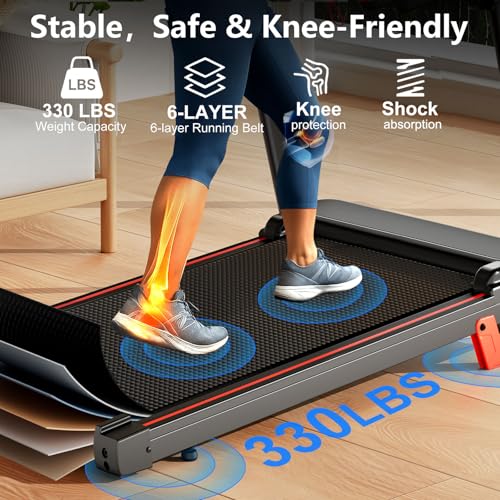
We also considered 10 others:
Our Top Choice
Compare Features
The order above is not editorial opinion, and it is not paid placement. It comes from what shoppers across our network actually do - which treadmills they compare, and which they ultimately buy. We re-rank as new data comes in, so the long-term favorites have to keep earning their spot against new entrants. The full method, including how we make money.
Treadmills Buyer's Guide
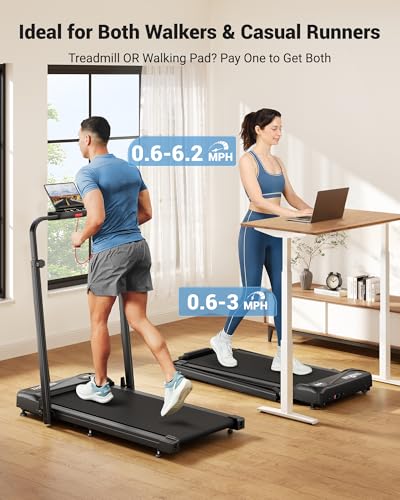
Buying a treadmill is a tradeoff between a machine that is stable and powerful enough for your actual stride and workout style, and one that still fits your room, floor, and noise limits. The sharpest checks are deck size, weight capacity, speed/incline range, handrail/control safety, and whether the frame will stay steady during the fastest use you expect—not just during a slow demo walk.
Build
A treadmill’s build quality affects how safe, stable, and dependable it feels under regular use, especially during faster runs or incline workouts. Look for a sturdy frame, a deck that doesn’t flex or wobble, smooth belt operation, and components that feel solid rather than lightweight or rattly. Watch out for machines that shake at speed, feel unstable under your stride, or show signs of loose parts and inconsistent performance.
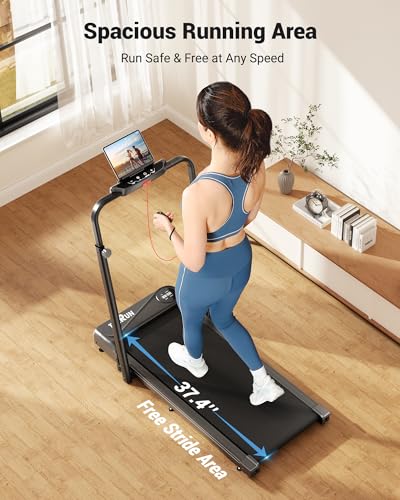
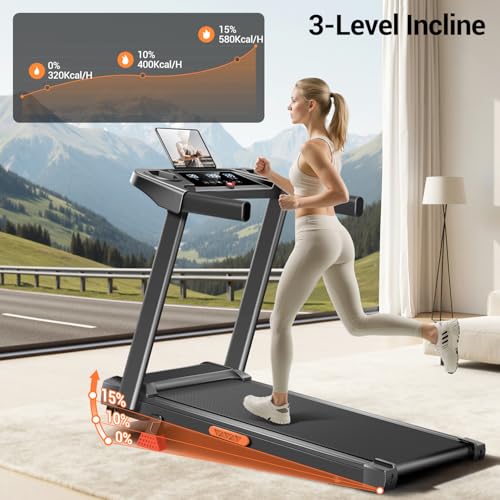
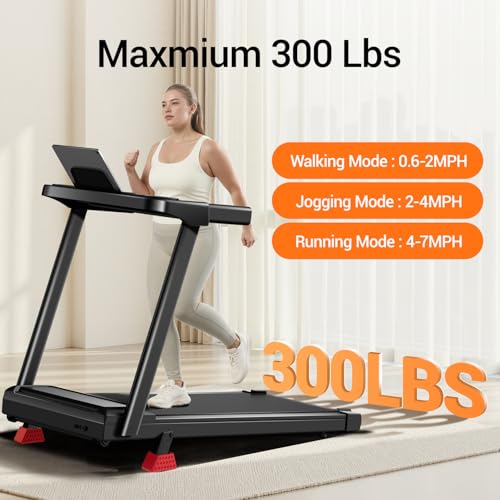
Choose the frame and motor for your heaviest user and fastest planned workout, not the average walk: walkers can prioritize a stable compact frame, but jogging and running need a longer belt, higher top speed, stronger continuous-duty motor, and a deck that does not flex or wobble. Check the listed user-weight capacity with margin, belt width/length for your stride, incline mechanism, safety key, and whether the machine is meant for running or only walking/light jogging; avoid undersized walking pads if anyone will run, take long strides, or need side rails. Owner feedback supports this split: buyers often find home treadmills sturdy and durable for regular walking, light jogging, family use, and beginner workouts, while slower, sturdier models are especially reassuring for seniors or users prioritizing secure walking over speed. Machines with automatic speed and incline controls are also valued when they add variety without making operation feel complicated.
Ease
You’ll use a treadmill more consistently if the basic controls feel obvious: starting, stopping, changing speed or incline, and switching programs should be quick and intuitive. Look for clear buttons or a responsive touchscreen, easy adjustability while you’re moving, and safety features you can activate without thinking. Watch out for cluttered menus, laggy controls, or features that require too many steps just to begin a simple workout.
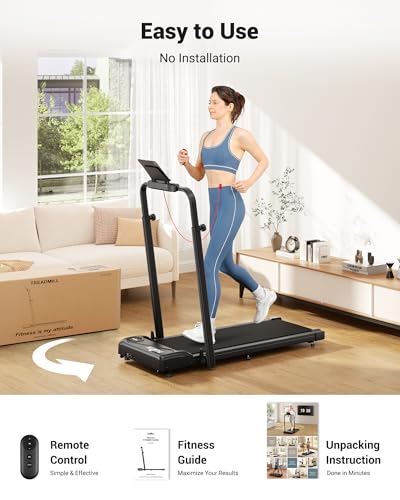
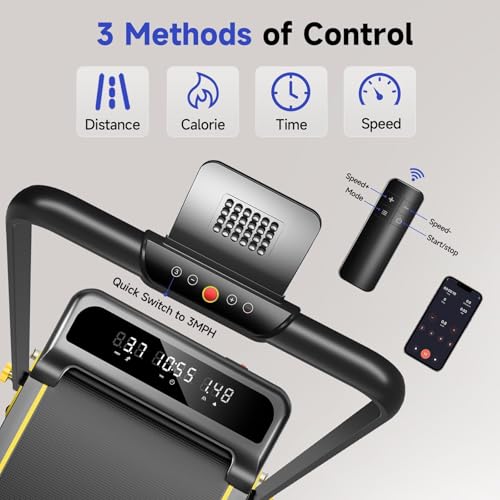
For ease of use, look first at controls you can operate safely while moving: large speed buttons, quick-stop access, a reliable safety clip, visible display, and ideally rail-mounted controls or long handrails for users with balance concerns. If the treadmill will be used by beginners, older adults, or multiple family members, avoid interfaces that bury speed/incline changes in apps or tiny touch controls; a simple console and physical emergency stop matter more than flashy programs. Owners commonly praise treadmills that are quick to start, straightforward to operate, and unintimidating for families or first-time users, with long handrails and rail-mounted controls standing out because users can change speed or stop without letting go. Basic remote speed control is also appreciated on walking pads, but it should not replace an easy-to-reach stop method for less steady users.
Size
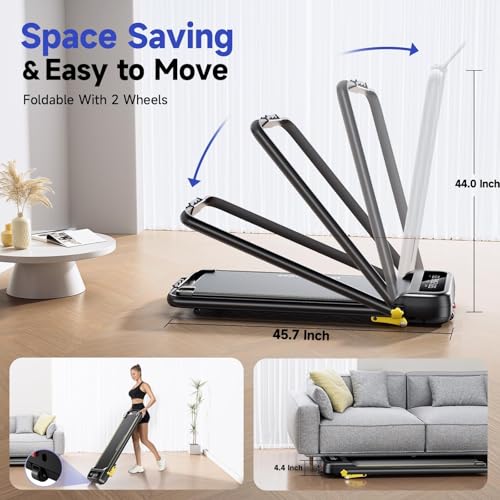
You’ll want to measure both your workout space and storage space, since a treadmill’s footprint can feel much larger once you allow room for safe entry, exit, and belt clearance. If you need it for home use in a shared room, look for compact size, reliable foldability, and built-in transport wheels, but watch out for machines that are technically portable yet still too heavy or awkward to move often.
Measure the treadmill’s full in-use footprint, not just its folded footprint, and confirm belt dimensions, rear clearance, ceiling clearance at incline, and space to step off safely on both sides. Compact and foldable models are useful for apartments, bedrooms, offices, and under-desk walking, but smaller decks can feel cramped for tall users, jogging, or running; under-furniture storage is only practical if the folded height, weight, and wheel placement match your space. Owner sentiment strongly favors compact, lightweight, folding designs with wheels because they fit small rooms and are easier to move or store than full-size gym-style machines. Buyers also appreciate slim folding units for offices and under-desk use, but the niche tradeoff is that portability should not come at the expense of deck stability or stride room.
Setup
Setup matters because treadmills are large, heavy machines, and a difficult assembly can turn delivery day into a frustrating project. Look for clear instructions, labeled hardware, manageable part sizes, and whether tools or two-person lifting are required; also watch for folding, leveling, belt alignment, and calibration steps before first use.
Before buying, plan the delivery path, final placement, and whether you need two people: even “easy assembly” treadmills can be awkward or heavy to lift, rotate, or carry upstairs. Check whether the unit arrives mostly assembled, what tools are required, whether belt centering/lubrication is needed after setup, and whether folding or locking mechanisms must be adjusted; also confirm there is an outlet nearby so you are not relying on unsafe extension cords. Owners frequently report quick, straightforward setup with clear instructions and minimal assembly, especially on compact or folding models. The recurring caveat is weight: many buyers can assemble the unit quickly, but moving it into place is often the part that benefits from a second person.
Noise
Noise level matters because a treadmill that sounds loud underfoot or has a whining motor can disturb others, make shared spaces less usable, and discourage you from working out at home. Look for quiet operation from both the motor and belt deck, and watch for reports of thumping, vibration, or rattling at the speeds you plan to use—running usually reveals noise issues more than walking.
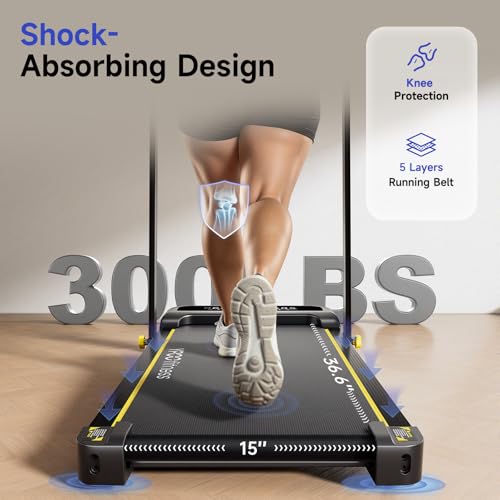
If the treadmill will be used in an apartment, upstairs room, shared home, or during work calls, evaluate noise as both motor/belt sound and impact vibration through the floor. Look for a smooth belt, solid deck, cushioning, levelers, and compatibility with a dense treadmill mat; lighter folding units can be quiet at walking speeds but may transmit more vibration when jogging or when used on upper floors. Owner reports are encouraging here: many home treadmills are described as quiet and smooth enough for TV, work calls, shared spaces, and even upstairs use where buyers expected more vibration. Quiet operation is especially valued for under-desk and work-from-home walking, but shoppers should still match the machine to walking versus running intensity and floor type.
Value
A treadmill can look appealing on specs alone, but real value comes from how well its build quality, motor performance, cushioning, programming, and warranty match what you’ll actually use. Look for a machine that feels stable and comfortable at your typical pace, offers the features you need without unnecessary extras, and is backed by support that makes the investment feel safer over time.
Judge value by whether the treadmill’s core specs fit your use case for several years: adequate belt size, realistic speed range, incline type, user-weight margin, warranty coverage, replacement-belt availability, safety features, and maintenance requirements. Do not overpay for app-driven classes or programs if you mainly need safe daily walking, but also avoid the cheapest compact unit if you need running stability, automatic incline, or a longer deck. Owners often see strong value in treadmills that deliver sturdy at-home performance, smooth operation, simple controls, and enough power for walking or jogging without feeling like bulky gym machines. Buyers also value useful upgrades such as manual or automatic incline, basic speed control, and remote operation when those features improve daily use rather than adding complexity.