

















We also considered 10 others:


Our Top Choice
Compare Features


The order above is not editorial opinion, and it is not paid placement. It comes from what shoppers across our network actually do - which portable treadmills they compare, and which they ultimately buy. We re-rank as new data comes in, so the long-term favorites have to keep earning their spot against new entrants. The full method, including how we make money.
Portable Treadmills Buyer's Guide
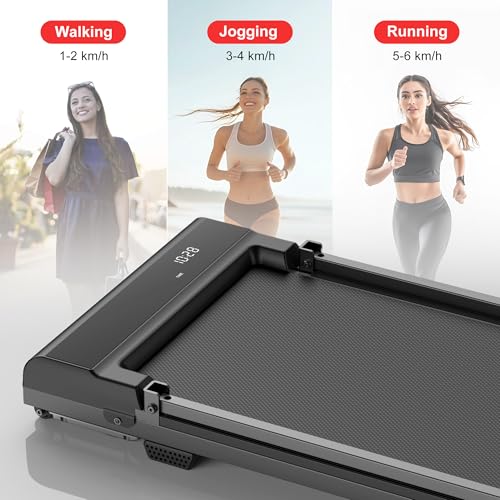
Portable treadmills are a tradeoff between small-space convenience and the limits of a lighter, shorter deck: they can be excellent for walking, under-desk use, and light jogging, but they are not all built for full running strides or heavy daily abuse. The sharpest checks are deck length/width, stated user weight capacity, speed range, handlebar/rail design, and whether the motor stays quiet and cool during the kind of sessions you actually plan to do.
Build
A treadmill’s build quality affects how safe, stable, and dependable it feels under regular use, especially during faster runs or incline workouts. Look for a sturdy frame, a deck that doesn’t flex or wobble, smooth belt operation, and components that feel solid rather than lightweight or rattly. Watch out for machines that shake at speed, feel unstable under your stride, or show signs of loose parts and inconsistent performance.
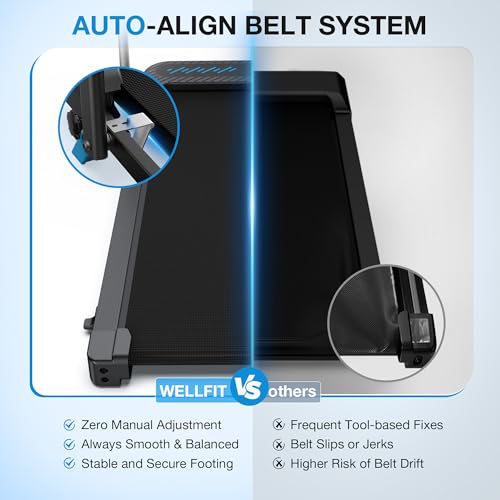
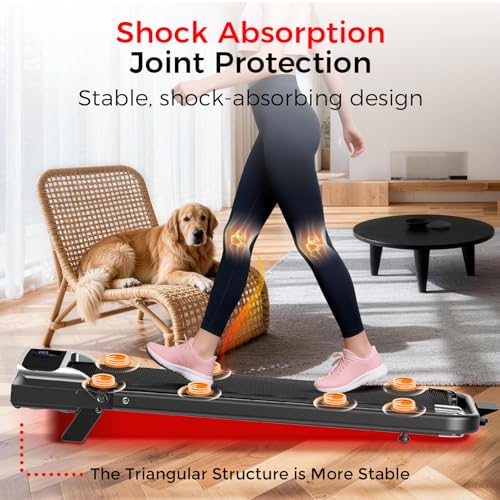
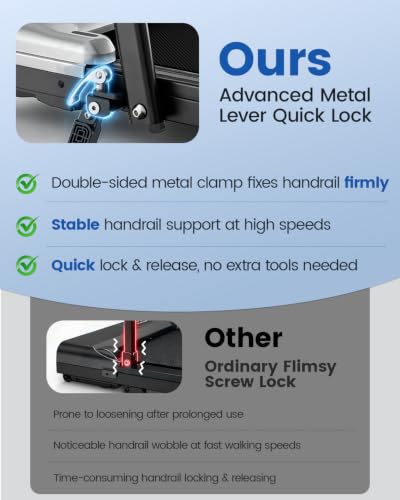
For build quality, prioritize a frame and deck that match your use case: a walking pad for steady under-desk walking should feel rigid with no belt drift, while a portable treadmill for jogging needs a stronger motor, better shock absorption, and a deck long enough that you are not landing near the rear roller. Check the maximum user weight with a safety margin, look for side rails or a stable handle if you will jog, and avoid ultra-light units that flex, wobble, or list only vague motor specs. Owner feedback supports this focus: buyers often describe well-liked portable treadmills as sturdy, smooth-running, stable rather than flimsy, and durable enough for regular home walking or jogging, with several noting quiet, responsive operation during speed or incline changes.
Size
You’ll want to measure both your workout space and storage space, since a treadmill’s footprint can feel much larger once you allow room for safe entry, exit, and belt clearance. If you need it for home use in a shared room, look for compact size, reliable foldability, and built-in transport wheels, but watch out for machines that are technically portable yet still too heavy or awkward to move often.
For size, do not shop by folded dimensions alone: measure the walking belt, the total footprint in use, the clearance behind the machine, and the storage path to where it will live. Under-desk buyers should also check deck height so it does not raise their stance too much, while taller users and joggers should avoid very short belts that force a shortened stride. Owner sentiment reinforces that compactness is a major reason people like this category, with many buyers appreciating slim, lightweight, foldable designs that fit apartments, bedrooms, offices, under desks, or under furniture between uses.
Ease
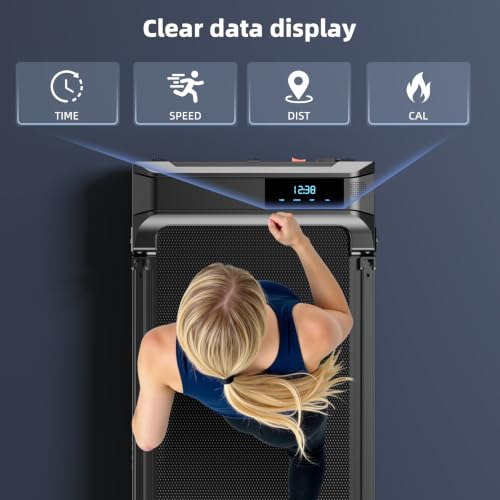
You’ll use a treadmill more consistently if the basic controls feel obvious: starting, stopping, changing speed or incline, and switching programs should be quick and intuitive. Look for clear buttons or a responsive touchscreen, easy adjustability while you’re moving, and safety features you can activate without thinking. Watch out for cluttered menus, laggy controls, or features that require too many steps just to begin a simple workout.
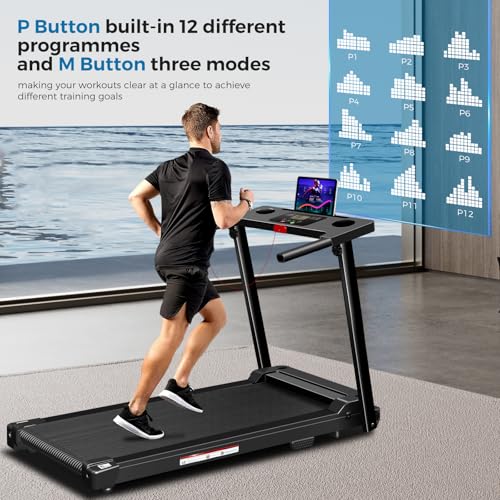
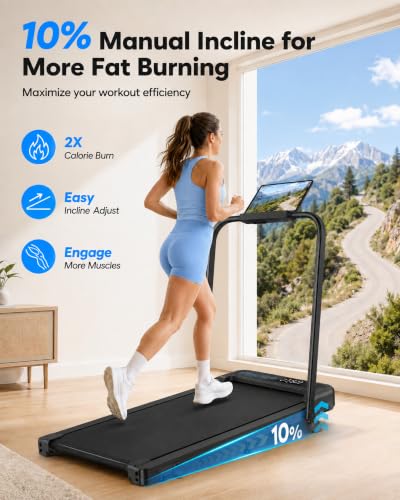
For ease of use, look for controls you can operate safely while moving: a reliable remote or console, clear speed increments, an emergency stop, and simple mode switching between under-desk walking and upright workouts if the machine has a handle. If you want more than flat walking, confirm whether incline is manual or powered and whether changing it requires stopping the treadmill. Owner feedback backs the importance of low-friction operation: buyers commonly value quick startup, simple displays, easy speed control, remotes, and straightforward incline or workout options that let them tailor daily home sessions without fuss.
Noise
Noise level matters because a treadmill that sounds loud underfoot or has a whining motor can disturb others, make shared spaces less usable, and discourage you from working out at home. Look for quiet operation from both the motor and belt deck, and watch for reports of thumping, vibration, or rattling at the speeds you plan to use—running usually reveals noise issues more than walking.
For noise, distinguish motor hum from footfall impact: even a quiet motor can transmit thumps through floors, especially in apartments or upstairs rooms. If you plan to walk during calls, watch TV, or use it near others, choose a model known for smooth belt movement, use a treadmill mat, and avoid units that develop belt squeak, roller clicking, or vibration at your intended speed. Owner reports strongly support quietness as a key strength in better portable treadmills, with buyers describing them as quiet enough for shared spaces, home offices, work calls, TV, and under-desk walking without becoming disruptive.
Setup
Setup matters because treadmills are large, heavy machines, and a difficult assembly can turn delivery day into a frustrating project. Look for clear instructions, labeled hardware, manageable part sizes, and whether tools or two-person lifting are required; also watch for folding, leveling, belt alignment, and calibration steps before first use.
For setup, check whether the treadmill arrives fully assembled, partially assembled, or requires handlebar/console installation, and confirm you can lift the boxed weight and move it through doorways. Also verify belt-centering instructions, lubrication requirements, remote pairing, and whether folding or storing requires removing parts; these small setup details matter more in cramped homes than generic assembly time. Owner sentiment suggests many portable treadmills do well here, with buyers frequently reporting quick, low-effort setup, minimal assembly, clear enough instructions, and the ability to start using the machine soon after unboxing.
Value
A treadmill can look appealing on specs alone, but real value comes from how well its build quality, motor performance, cushioning, programming, and warranty match what you’ll actually use. Look for a machine that feels stable and comfortable at your typical pace, offers the features you need without unnecessary extras, and is backed by support that makes the investment feel safer over time.
For value, pay for the specific capabilities you will use rather than the longest feature list: under-desk walkers should prioritize quiet operation, slim storage, and reliable low-speed control, while light joggers should spend more attention on belt size, stability, motor strength, and safety rails. Incline, app modes, and higher top speeds are only valuable if they fit your routine; avoid treating a compact walking pad as a bargain replacement for a full running treadmill if you need frequent running workouts. Owner feedback aligns with this: buyers tend to feel the category is worthwhile when it delivers useful basics such as speed control, a remote, compact storage, smooth walking performance, and occasional incline or workout versatility at a reasonable overall value.
1,000,000+ shoppers use Buyer's Guide every week to find the best products and services online.

Helping millions of users make smarter purchases online.


