

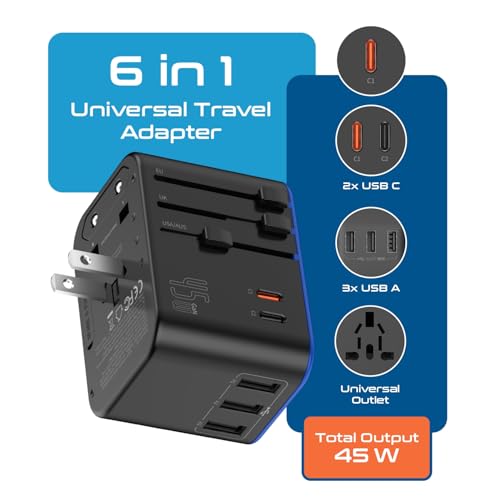


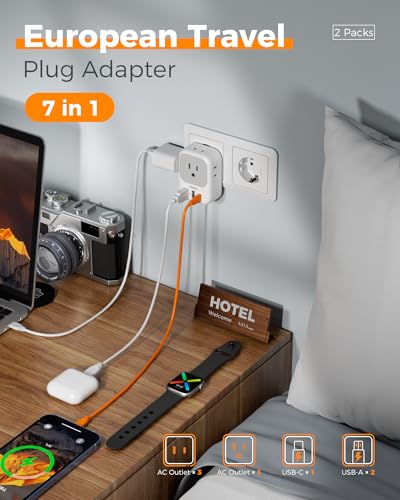
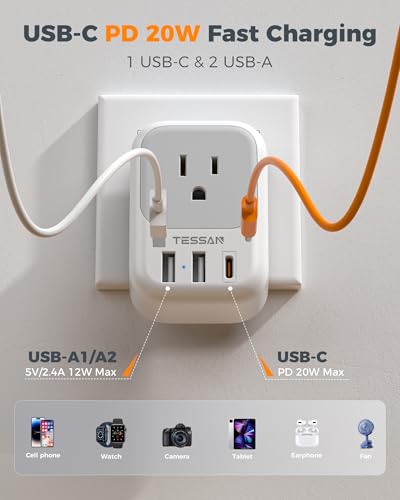


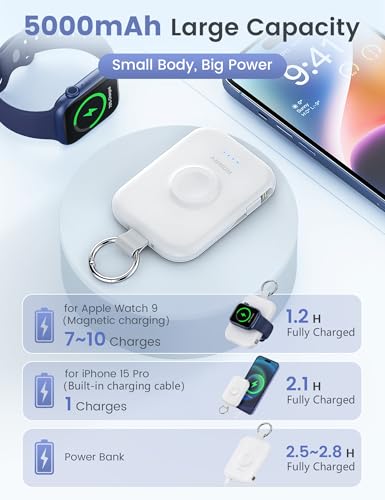







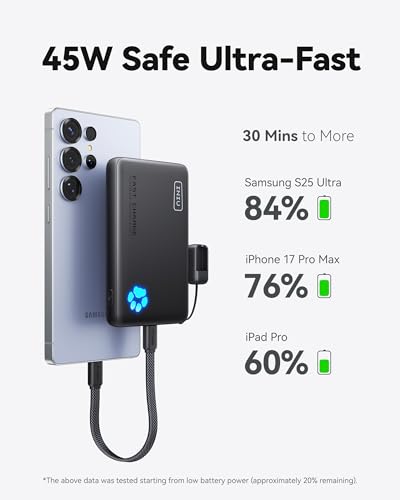
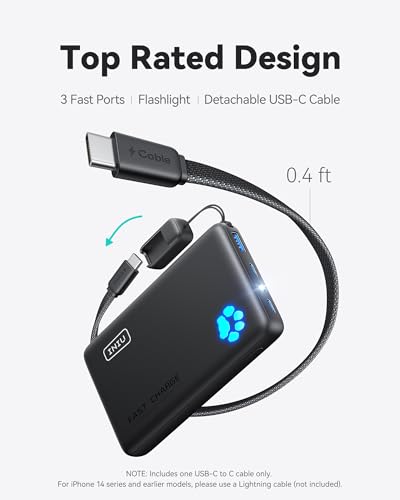

We also considered 10 others:


Our Top Choice
The order above is not editorial opinion, and it is not paid placement. It comes from what shoppers across our network actually do - which travel chargers they compare, and which they ultimately buy. We re-rank as new data comes in, so the long-term favorites have to keep earning their spot against new entrants. The full method, including how we make money.
Travel Chargers Buyer's Guide
Travel chargers have to balance two jobs that often fight each other: packing small enough for a carry-on while safely powering several devices in cramped hotel, airport, or cruise-cabin outlets. The sharpest mistakes are buying a charger with the wrong port mix or wattage for your devices, or choosing a strip/dock that is convenient at home but awkward, slow, or noncompliant for travel venues.
Packability
A travel charger is only useful if it disappears into a bag without snagging cords, taking up outlet space, or adding clutter. Compact shape, folding parts, and cord management matter more on trips than they do on a fixed nightstand.
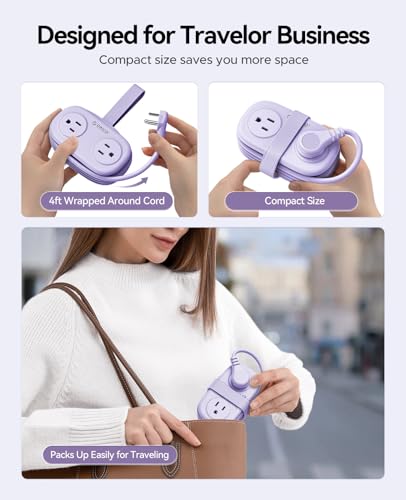
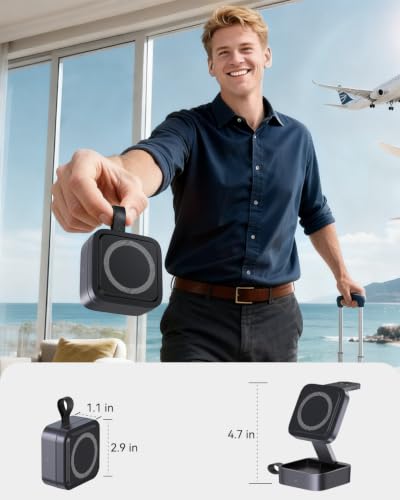
Look for folding prongs or a flat plug, a short but usable cord, rounded edges, and a built-in cord wrap or strap so the charger does not unwind in your bag. For cruise cabins, small hotel rooms, and shared outlets, avoid bulky blocks that cover adjacent receptacles or docks that cannot fold flat. Owner sentiment strongly supports this: shoppers especially liked compact, lightweight travel chargers that fold down small, are easy to pack, and include cord wraps or storage straps for keeping things organized between trips.
Port Fit
The best travel charger for one person may be wrong for a family, a work trip, or a device ecosystem with a phone, watch, earbuds, tablet, and laptop. Port count alone is not enough; the type of ports and how power is shared determine what can charge at the same time.
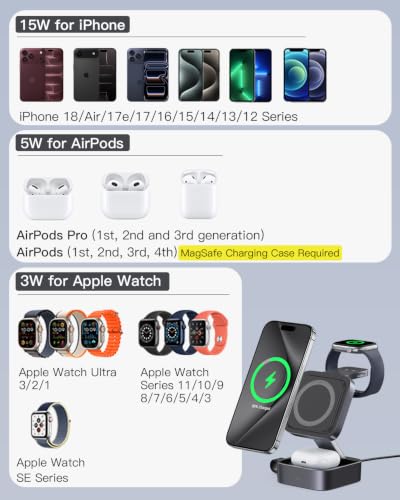
Start by listing what must charge every night, then match the charger to that list: USB-C Power Delivery for modern phones, tablets, and many laptops; USB-A only if you still carry older cables; AC outlets only when you need camera batteries, medical-device adapters, or other wall bricks. Check the total shared output, not just the highest single-port number, because some chargers slow down when every port is occupied. Owners valued chargers with a useful mix of outlets and USB ports, saying they provided enough options for multiple devices or several people at once, and they also liked setups that could charge a phone, watch, and earbuds in one place.
Trip Safety
Travel adds risks that home charging does not: unfamiliar outlets, tight spaces, cruise rules, and international voltage differences. A charger that works electrically but violates venue rules or lacks protection can be a bad travel choice.
Choose chargers with recognized safety certification, over-current and over-temperature protection, solid prongs, and clearly marked input ratings. For international trips, verify 100–240V input on the charger; a plug adapter changes the shape of the plug, not the voltage. For cruises, check the line’s current rules before packing a power strip, and generally avoid surge-protected strips if the venue prohibits them. Owner feedback supports prioritizing dependable hardware: buyers reported that plugs, ports, and flat wall plugs performed as expected, and several described the build as sturdy, practical, and well made.
Charge Speed
Travel chargers are often used overnight, but there are also times when a fast top-up before leaving the room matters. Advertised speed can drop with multiple devices, wireless charging, heat, or the wrong cable.
If fast charging matters, look for the exact standards your devices use, such as USB-C PD, PPS where needed, and certified magnetic or wireless charging support for compatible phones and wearables. Check simultaneous-output specs so a phone does not lose fast charging the moment a watch, earbuds, or second phone is added. For purely overnight use, slower charging may be acceptable, but for travel days and airport layovers, underpowered ports become frustrating. Owner sentiment was mixed here: many found daily or overnight charging worked well, but some felt the speed was slower than expected, so shoppers should treat speed claims as a key spec rather than an afterthought.
Dock Layout
Multi-device travel docks reduce cable clutter, but only if each device lands in the right spot and stays aligned. A poor layout can make a charger feel neat in photos but unreliable on a nightstand, desk, or narrow hotel shelf.
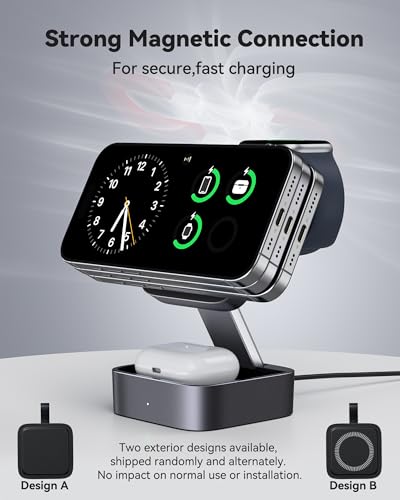
For 3-in-1 wireless designs, confirm the phone alignment system, watch charger orientation, and earbud charging pad all match your devices and cases. Strong magnetic hold, a stable base, and enough clearance for camera bumps or protective cases are more important than a flashy shape. Avoid stands that tip easily, force awkward cable routing, or require removing a case every night. Owners specifically appreciated charging a phone, watch, and earbuds in one spot, and they noted that a solid magnetic hold kept the phone securely aligned on the stand.
Build Quality
Travel chargers are repeatedly packed, pulled from outlets, wrapped, and dropped into bags, so small construction flaws show up quickly. Durable materials and strain relief matter because a charger often becomes a single point of failure for several devices.
Inspect the parts that move or take stress: folding hinges, wall prongs, cable strain relief, port tightness, and the casing around high-heat areas. Flat plugs should sit securely without wobbling, USB ports should not feel loose, and any attached cord should be thick enough to survive repeated wrapping. Owner feedback points in the same direction: buyers described some travel chargers as sturdy, practical, nicely designed for storage and regular use, with plugs and ports that worked as expected. They also connected organized, clutter-reducing designs with good overall value.
1,000,000+ shoppers use Buyer's Guide every week to find the best products and services online.

Helping millions of users make smarter purchases online.