













We also considered 10 others:


Our Top Choice
Compare Features


The order above is not editorial opinion, and it is not paid placement. It comes from what shoppers across our network actually do - which toothpaste for gums they compare, and which they ultimately buy. We re-rank as new data comes in, so the long-term favorites have to keep earning their spot against new entrants. The full method, including how we make money.
Toothpaste For Gums Buyer's Guide
Gum-focused toothpaste has to clean at the gumline without aggravating inflamed tissue, exposed roots, or recession-related sensitivity. The biggest tradeoff is choosing enough active gum support—such as anti-gingivitis, plaque-control, enamel, or sensitivity ingredients—while avoiding harsh whitening, intense flavoring, or abrasive formulas that can make sore gums feel worse.
Whitening
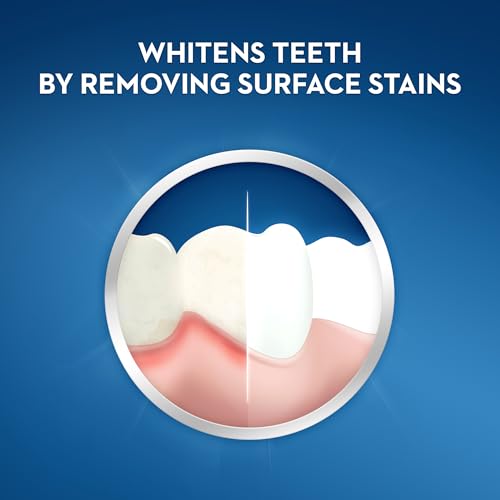
You want a whitening toothpaste that makes a visible difference without relying on vague promises or surface-level shine. Look for clear claims about stain removal or brightening, and be realistic: toothpaste can help lift everyday surface stains, but it will not change the natural color of your teeth or deliver the same results as professional whitening. Watch out for formulas that seem too abrasive or overpromise dramatic whitening, especially if you have sensitive teeth.
For gum care, treat whitening as secondary: look for low-abrasion whitening or stain-removal claims rather than aggressive peroxide-heavy or gritty formulas, especially if you have recession, bleeding, exposed roots, or sensitivity at the gumline. A good gum toothpaste should make teeth look cleaner by removing plaque and surface stain without leaving gums stinging or teeth feeling raw. Owner feedback supports this priority: shoppers often praise gum-care formulas that leave teeth smooth, polished, and refreshed without harshness, and some notice whiter-looking teeth as a bonus alongside better gum comfort, less bleeding, and reduced sensitivity.
Sensitivity
Whitening can sometimes make sensitive teeth or irritated gums feel worse, so you’ll want a toothpaste that balances stain removal with everyday comfort. Look for gentle formulas that support enamel and gum health, and watch out for overly abrasive options or strong whitening agents if you already deal with sensitivity, bleeding, or mouth irritation.
If your gum issue includes recession, periodontal discomfort, or zaps near the gumline, choose a toothpaste with a true sensitivity or enamel-support angle rather than only a generic “gum health” label. Check for ingredients meant to calm nerve response or support enamel, and avoid formulas that rely on strong mint burn, aggressive whitening, or a medicinal feel that discourages twice-daily use. Owner sentiment strongly backs this: many buyers report less gum pain, reduced periodontal discomfort, calmer sensitive teeth, firmer-feeling gums, less bleeding, and continued comfort with regular use.
Freshness
A whitening toothpaste should leave your mouth feeling clean and your breath noticeably fresher, not just make your teeth look brighter. Look for formulas that balance whitening ingredients with breath-freshening agents, and watch out for pastes that taste strong at first but leave a filmy, dry, or short-lived clean feeling after brushing.
For gum problems, freshness should come from thorough plaque control and a clean mouthfeel, not a harsh burning sensation that can irritate sore tissue. Look for mild mint, non-burning freshness, and formulas that leave the gumline feeling clean; avoid overly spicy flavors if you already have ulcers, inflamed gums, dry mouth, or brushing tenderness. Owners commonly like gum toothpastes that freshen breath noticeably while staying mild, clean, and not overpowering, with several describing long-lasting freshness and a very clean mouthfeel without irritation.
Quality
Quality matters because a whitening toothpaste needs to balance visible stain removal with everyday oral-care basics like cleaning, enamel safety, and a pleasant, consistent brushing experience. Look for a formula from a reputable maker with clear active ingredients, realistic whitening claims, and packaging that includes proper usage directions. Be cautious of products that promise dramatic results quickly or feel overly abrasive, irritating, or inconsistent from tube to tube.
Quality in a gum toothpaste means daily-use reliability at the gumline: effective plaque removal, anti-gingivitis support, enamel or sensitivity protection where needed, and a texture that cleans without feeling abrasive or overly medicated. If you have frequent bleeding, swelling, or persistent soreness, prioritize formulas aligned with dental guidance and remember that toothpaste can support gum health but should not replace a dental evaluation. Owner feedback points to the same quality markers: buyers praise formulas that make gums feel healthier, reduce bleeding or inflammation, calm sensitivity, and leave teeth feeling dentist-clean, smooth, and well cleaned.
Taste
Taste matters because whitening toothpaste only works if you’ll use it consistently, and an overly harsh, bitter, or artificial flavor can make brushing feel like a chore. Look for a flavor you find clean and pleasant, with minimal lingering aftertaste, especially if you’re sensitive to strong mint, sweeteners, or peroxide-like notes.
Taste matters more in gum care than shoppers often expect, because a toothpaste that burns, tastes medicinal, or feels too intense can lead to shorter brushing or skipped use when gums are sore. Choose a flavor you can tolerate for a full two-minute brushing, preferably mild mint or clean peppermint, and be cautious with very sweet, spicy, or antiseptic-tasting options if your mouth is already irritated. Owners tend to favor gum-care toothpastes with pleasant, refreshing mint that is not overpowering, not too sweet, and not medicinal, while still leaving the mouth feeling seriously clean.
Value
Whitening toothpaste is something you’ll use daily, so the real value depends on both the price and how much usable paste you get in the tube. Compare tube size, concentration, and how long it’s likely to last, and be cautious of formulas that cost more mainly for packaging or bold whitening claims rather than meaningful ingredients or performance.
Judge value by consistent gum results per tube, not just tube size: a smaller or more expensive gum toothpaste may be worthwhile if it reduces bleeding, sensitivity, or discomfort, but it is poor value if the active approach does not match your issue. Families should also check whether everyone needs the same formula, since fluoride-free, sensitivity-focused, whitening, or gum-treatment toothpastes can vary in suitability and cost-per-use. Owner sentiment is conditional in the same way: many buyers accept a higher cost when they feel real gum relief, cleaner teeth, or sensitivity improvement, while others are more critical when tubes feel small or results vary.
1,000,000+ shoppers use Buyer's Guide every week to find the best products and services online.

Helping millions of users make smarter purchases online.


