











We also considered 10 others:


Our Top Choice
Compare Features


The order above is not editorial opinion, and it is not paid placement. It comes from what shoppers across our network actually do - which non-fluoride toothpastes they compare, and which they ultimately buy. We re-rank as new data comes in, so the long-term favorites have to keep earning their spot against new entrants. The full method, including how we make money.
Non-Fluoride Toothpastes Buyer's Guide
Non-fluoride toothpaste is a tradeoff: you may be avoiding fluoride, but you still need a formula that helps manage plaque, sensitivity, enamel wear, and daily cavity risk. The sharpest checks are whether the paste includes a credible enamel-support ingredient such as nano-hydroxyapatite or another remineralizing system, and whether whitening or “natural” abrasives are gentle enough for twice-daily use.
Whitening
Visible whitening is the main reason you’re choosing a whitening toothpaste, so look for one that can lift surface stains and leave teeth looking brighter with consistent use. Be wary of vague promises or dramatic “instant” results, since toothpastes typically improve external discoloration rather than changing the natural color of your teeth. If your stains are deeper or caused by medication, injury, or enamel changes, a toothpaste may have limited effect.
For whitening in a non-fluoride toothpaste, prioritize stain removal that is low-abrasion rather than aggressive bleaching: look for a disclosed gentle polish system, avoid very gritty pastes, and be cautious with daily charcoal formulas unless abrasivity is clearly controlled. If you have recession, thin enamel, or sensitivity, skip strong peroxide-style whitening claims and choose a formula that emphasizes enamel support along with stain lifting. Owner feedback supports that the best-liked options can make teeth look brighter with consistent use while still leaving teeth clean, smooth, and refreshed without the harshness many people associate with whitening toothpastes.
Freshness
Freshness matters because a whitening toothpaste should leave your mouth feeling clean, not just make your teeth look brighter. Look for a formula that gives you lasting breath freshness without an overly harsh burn, since strong flavor can sometimes mask rather than address stale breath or residue. If your mouth feels dry or coated after brushing, that toothpaste may not be the best fit for everyday use.
For freshness, check how the toothpaste creates a clean-mouth feel without relying on a painful mint burn; mild peppermint, balanced essential oils, or herbal breath-support ingredients are better fits for sensitive mouths than very strong menthol or cinnamon oils. If you are prone to canker sores, dry mouth, or gum irritation, also check whether the formula is SLS-free and not overly drying. Owners often praise non-fluoride formulas that leave teeth smooth, polished, and fresh for hours, especially when the mint tastes clean rather than chemical or overpowering.
Taste
Taste matters because even an effective whitening toothpaste won’t help much if you dislike using it twice a day. Look for a flavor that feels pleasant and fresh without being overly sweet, harsh, or medicinal, and watch for lingering aftertastes that can make regular brushing less enjoyable.
Taste matters more in this category because many non-fluoride pastes use herbal oils, neem, clove, charcoal, baking soda, or hydroxyapatite bases that can taste earthy, salty, chalky, or medicinal. Choose a flavor profile you can tolerate twice daily—mild mint for adults who dislike burn, fruit flavors for kids or mint-averse users, and herbal flavors only if you already like clove/neem-style notes; avoid sugary-tasting formulas unless they use non-cavity-feeding sweeteners such as xylitol or stevia. Owner sentiment shows that shoppers tend to stick with formulas that taste natural, fresh, and not too sweet, spicy, chemical, or overpowering.
Sensitivity
Whitening toothpaste can make already sensitive teeth or gums feel worse, so you’ll want a formula that balances stain removal with daily comfort. Look for gentler options that support enamel and gum health, and watch out for overly abrasive pastes or strong whitening claims if you’re prone to sensitivity, gum irritation, or bleeding.
For sensitive teeth, do not assume “fluoride-free” automatically means gentle: look for nano-hydroxyapatite, arginine, potassium nitrate, or other sensitivity-support ingredients, and avoid harsh whitening abrasives, strong essential oils, SLS, and very spicy mint. If sensitivity is linked to enamel loss, exposed roots, or gum recession, a non-fluoride paste should feel smooth rather than gritty and should support enamel or tubule occlusion rather than just masking discomfort. Owners frequently report that gentler non-fluoride formulas help teeth feel stronger, reduce hot-and-cold sensitivity, and support calmer gums when used consistently.
Ingredients
Ingredients matter because whitening toothpastes can use different approaches, from gentle polishing agents to peroxide-based formulas, and some may be better suited to your sensitivity level or oral-care goals. If you prefer natural or fluoride-free options, check that the formula still cleans effectively and supports enamel health, and be cautious of highly abrasive ingredients that can wear enamel over time.
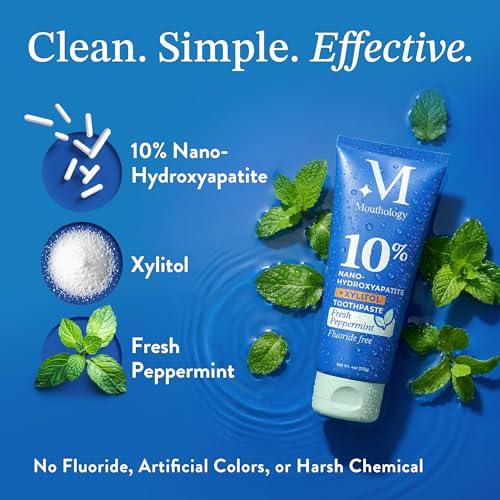
For ingredients, verify what replaces fluoride rather than stopping at a “fluoride-free” claim: nano-hydroxyapatite is a common enamel-support choice, while xylitol can help make the formula more cavity-conscious; for children, confirm the paste is age-appropriate and safe if small amounts are swallowed. Avoid vague “natural” labels that hide high abrasivity, sugar-like sweeteners, harsh essential oils, artificial dyes, or preservatives you are specifically trying to avoid. Owner feedback strongly supports that buyers value cleaner ingredient lists—especially fluoride-free, SLS-free, less additive-heavy formulas—and many specifically like hydroxyapatite-based pastes for enamel support and daily gentleness.
Cleaning
Whitening toothpaste still needs to perform well as an everyday cleaner, because a brighter smile won’t feel satisfying if your teeth are left with film or buildup. Look for a formula that leaves your mouth feeling smooth and fresh after brushing, but watch out for options that seem focused on whitening at the expense of plaque-cleaning feel or that rely on a gritty texture that can feel harsh over time.
For cleaning, judge the paste by plaque control and surface feel, not foam level: many non-fluoride formulas foam less, especially if SLS-free, but should still spread well, rinse cleanly, and leave teeth smooth without a gritty residue. Look for a balanced abrasive system that can remove everyday film but is gentle enough for twice-daily brushing; be careful with charcoal, baking soda-heavy, or very gritty textures if you brush hard or have exposed dentin. Owners consistently praise the better formulas for making teeth feel very clean, smooth, polished, and fresh, with some comparing the after-brush feel to a professional cleaning while still describing the texture as mild rather than harsh.
1,000,000+ shoppers use Buyer's Guide every week to find the best products and services online.

Helping millions of users make smarter purchases online.


