
















We also considered 10 others:


Our Top Choice
The order above is not editorial opinion, and it is not paid placement. It comes from what shoppers across our network actually do - which thermometers they compare, and which they ultimately buy. We re-rank as new data comes in, so the long-term favorites have to keep earning their spot against new entrants. The full method, including how we make money.
Thermometers Buyer's Guide
Thermometers split sharply by job: a forehead or oral thermometer for fever screening is not the same tool as an infrared gun for griddles, reptile tanks, ducts, engines, or other surfaces. The biggest buying risks are choosing the wrong measurement type for the target and trusting a fast number without understanding distance, placement, contact method, and repeatability.
Right Mode
Thermometers are built around different sensing methods, and each method answers a different question. A careful shopper should first decide whether they need body temperature, surface temperature, liquid/food temperature, or general household spot checks before comparing features.
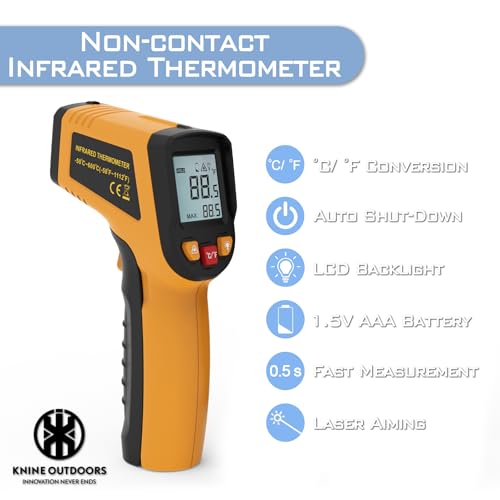
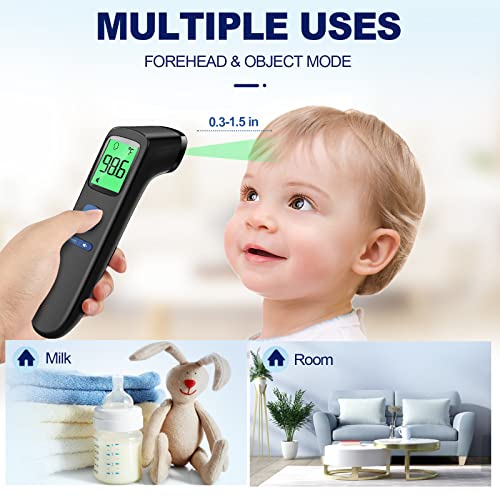
Start by matching the thermometer to the thing you actually need to measure. For people, choose a body-temperature model with the intended site clearly supported—forehead, oral, rectal, ear, or underarm—and avoid treating a surface infrared tool as a core fever thermometer. For cooking surfaces, HVAC ducts, engines, aquariums, reptile enclosures, and other objects, a non-contact infrared surface thermometer is often the right fit, but it reads surface temperature only and can be thrown off by shiny materials, steam, glass, or distance. Owner feedback strongly supports this split: buyers like non-contact infrared models for fast checks on cooking surfaces, tanks, ducts, engines, and household spots, while forehead and no-touch models are praised for quick family fever checks.
Reading Trust
A thermometer is only useful if its readings are consistent under the same conditions. Small errors in distance, angle, probe placement, surface type, or timing can matter, especially when deciding whether a fever is present or whether a cooking or habitat surface is safe.
Look for repeatable results more than a single impressive reading: the same person or surface, measured the same way, should produce stable numbers within a narrow range. For fever use, follow the required distance, placement, wait time, and age/site guidance, and confirm concerning or borderline readings with a more direct method when needed. For infrared surface use, check whether the unit specifies distance-to-spot ratio and emissivity assumptions, because measuring a small, shiny, wet, or reflective target can produce misleading numbers. Owner sentiment makes accuracy the main separator: many buyers trust quick, consistent readings and report close agreement with other thermometers, but mixed reports also show that some units read inconsistently or are better treated as screening tools than core-temperature replacements.
Fast Checks
Fast readings reduce frustration, but speed is most valuable when it does not sacrifice consistency. In this category, the best experience often comes from a thermometer that can be aimed, read, and repeated quickly without forcing the user to restart the process.
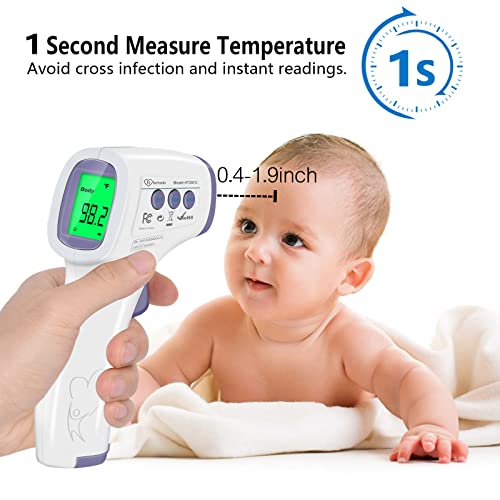
For family fever checks, prioritize a short response time, the ability to take multiple readings in a row, and a process that does not require a restless child to hold still for long. For kitchen, griddle, engine, or enclosure work, speed matters because temperatures can change quickly and you may need to scan several zones rather than one point. Avoid models that require confusing mode changes or long resets between readings if you plan to use them during illness, cooking, or troubleshooting. Owners repeatedly praise thermometers that give quick readings, work well for multiple checks in a row, and make low-hassle scans easier with kids who do not want to sit still.
Clear Display
A technically good reading can still be mishandled if the display is hard to see or interpret. Clear visual feedback is especially important when checking temperatures quickly, at night, or while juggling cooking, caregiving, or repair tasks.
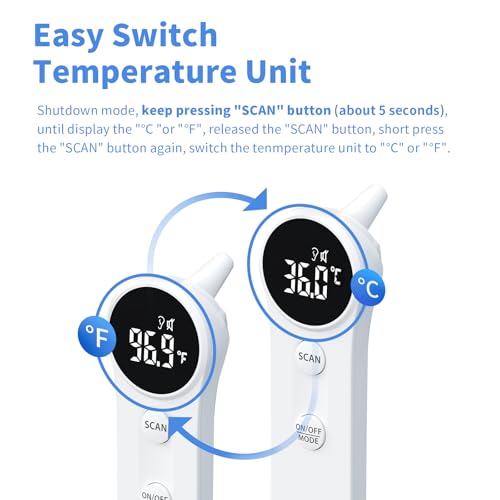
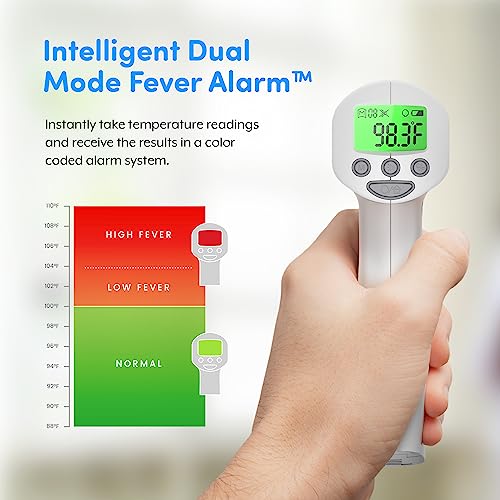
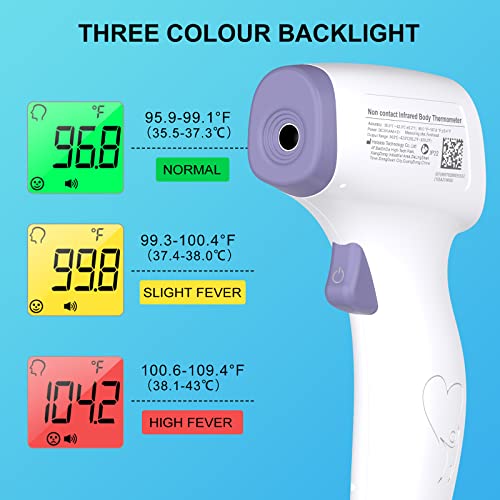
Choose a display you can read in the situations you actually measure: dim bedrooms, bright kitchens, garages, reptile rooms, or outdoor work areas. Large digits, a backlight, fever color cues for body models, and clear unit indicators help prevent misreading a number or using the wrong mode. For nighttime family use, also consider whether alerts can be muted so a child is not woken by beeps. Owner feedback consistently highlights large bright numbers, backlit screens, color-coded lighting, and clear displays as major reasons readings feel easy to understand at a glance.
Easy Handling
Thermometers are often used when someone is sick, food is cooking, or equipment is hot, so complicated controls are a real drawback. A simple shape, clear buttons, and easy cleaning make the tool more likely to be used correctly every time.
For household medical use, look for simple one-button operation, an ergonomic shape that naturally lands on the right forehead spot or probe angle, and easy cleaning or disposable probe-cover compatibility where contact is required. No-touch models reduce cleaning between family members, but they still need correct spacing and a clean sensor window. For surface infrared tools, a clear trigger, visible aiming reference, and straightforward mode controls matter more than extra functions you will not use. Owners strongly favor thermometers that are point-and-click, straightforward to operate, simple to set up, and easy for parents to use at night without waking kids.
Home Readiness
A thermometer is often needed unexpectedly, so reliability after sitting in a drawer matters. Build quality, battery access, and storage convenience all affect whether the tool is ready when illness, cooking, animal care, or household troubleshooting demands it.
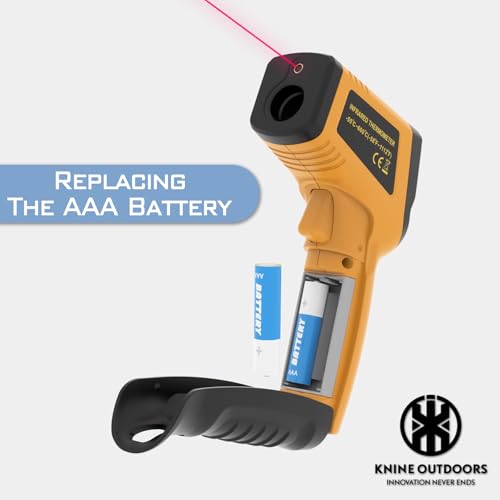
Pick a thermometer that feels sturdy enough for regular home use, stores easily where you will actually find it, and uses batteries you can replace or keep on hand. A compact body is useful for travel, diaper bags, kitchen drawers, toolboxes, or reptile-care kits, but avoid flimsy housings, loose battery doors, and unclear power behavior. Value is not just a low purchase cost; it is whether the unit turns on reliably, keeps giving consistent readings, and survives being used by multiple people. Owner sentiment supports this: many buyers describe solid build quality, compact convenience, and strong value, while mixed reports mention occasional failures to turn on, battery-related concerns, and dissatisfaction when readings seem off.
1,000,000+ shoppers use Buyer's Guide every week to find the best products and services online.

Helping millions of users make smarter purchases online.


