We also considered 10 others:
Our Top Choice
The order above is not editorial opinion, and it is not paid placement. It comes from what shoppers across our network actually do - which fever thermometers they compare, and which they ultimately buy. We re-rank as new data comes in, so the long-term favorites have to keep earning their spot against new entrants. The full method, including how we make money.
Fever Thermometers Buyer's Guide
Buying a fever thermometer is a tradeoff between quick, low-stress checks and readings accurate enough to guide what you do next. The sharpest concerns are repeatability, correct measurement method, and whether the device will still work when it has been sitting in a drawer until someone feels sick.
Reading Accuracy
A fever thermometer is only useful if it gives readings you can trust and repeat under the same conditions. Small differences can change whether you monitor at home, recheck, or seek medical advice, especially for infants, older adults, or anyone with risk factors.
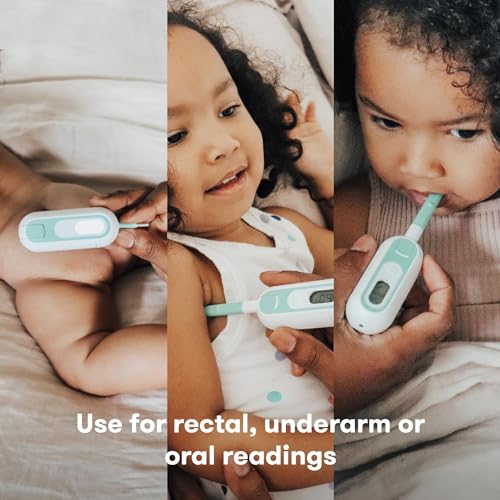
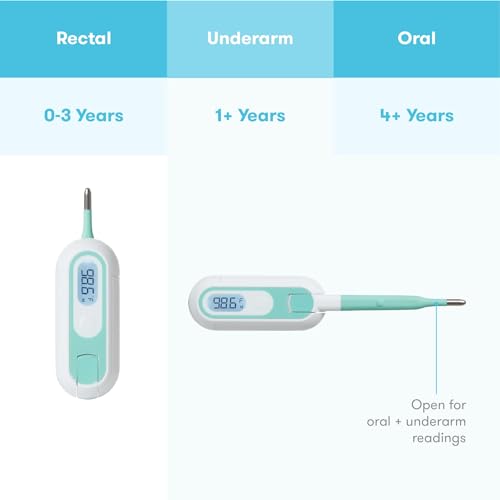
Prioritize a thermometer that is clinically validated, gives repeatable results, and matches the measurement site you actually plan to use: rectal readings are often preferred for very young children, oral readings need proper placement and timing away from food or drink, and underarm checks are better treated as screening. If you also want to track ovulation, look for strong repeatability and fine enough temperature resolution, because a basic fever thermometer may screen illness well without behaving like a dedicated basal thermometer. Owners most strongly praised accurate, reliable readings and confidence during routine fever checks, but some also found repeat checks varied enough to treat the device more as a screening tool than medical-grade precision.
Fast Checks
Speed matters when the person being checked is restless, sleepy, feverish, or a child who will not hold still. A faster reading also reduces the chance that movement or poor placement spoils the measurement.
Look for a fever thermometer that can complete a reading in roughly seconds, has a clear completion beep, and does not require a complicated hold angle or long still period. For kids, nighttime checks, and anyone feeling unwell, avoid slow models that demand prolonged oral placement or repeated attempts. Owner feedback repeatedly supports this: quick readings and simple operation were major strengths, with many reports describing checks around 10 to 15 seconds and convenient enough for children or urgent household use.
Clear Display
A thermometer should be readable in dim bedrooms, bathrooms, and early-morning checks without guessing at digits. Clear result cues reduce mistakes when someone is tired or worried.
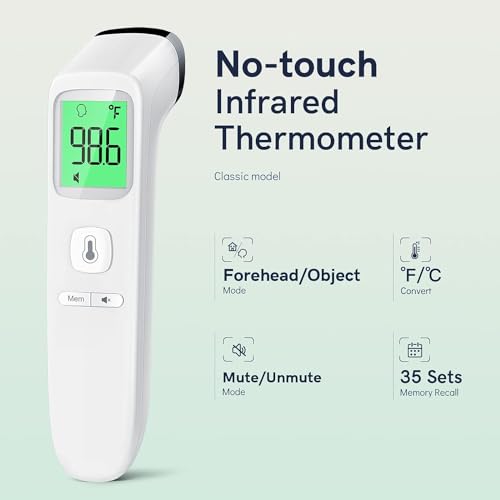
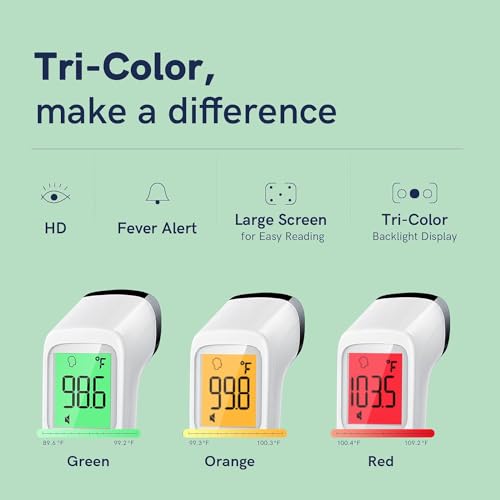
Choose a model with large digits, strong contrast, a backlit or easy-to-see screen, and an unmistakable fever alert if you want quick interpretation. Be cautious with tiny displays, faint LCDs, or ambiguous beeps, because misreading a decimal point or unit can lead to unnecessary worry or missed follow-up. Owners consistently called out clear, easy-to-read displays as a standout benefit, especially at night or in low light, and some appreciated a fever alarm for added reassurance.
Household Fit
A household thermometer is often used by multiple people, sometimes under stress and sometimes while traveling. Simple controls, clear directions, and a manageable shape make it more likely that readings are taken correctly.
For shared home use, favor one-button operation, straightforward instructions, a comfortable probe shape, and a compact body that stores cleanly in a case. If using it across adults and children, make sure the intended routes are clear and use probe covers or strict cleaning practices to avoid cross-contamination, especially if a thermometer is ever used rectally. Owner sentiment strongly favors simple operation, easy directions, compact size, and comfortable handling for adults, kids, home use, and travel.
Power & Durability
Thermometers may sit unused for long periods and then be needed immediately, so weak batteries or fragile construction can be a real failure point. Long-term reliability matters more than extra features if the device is part of a medicine cabinet or travel kit.
Check the battery type before buying, keep a spare if it uses small coin or button cells, and prefer a design with a secure battery door, protective storage case, and water-resistant probe for cleaning. Avoid treating a low-cost backup as your only thermometer unless you periodically test it, because failures often show up after storage or months of occasional use. Owners liked the solid-feeling build for a basic health tool, but battery life and longer-term durability were the main watch-outs, including reports of units developing problems after a few months or needing spare LR41 batteries.
Practical Value
In this category, the best value is not the most feature-heavy device; it is one that reliably covers the core job when someone may be sick. A practical thermometer should be accurate enough, easy to use, readable, and ready when needed.
Buy for dependable basics first: consistent fever screening, simple controls, a readable display, a storage case, and batteries you can replace. Extras are only worthwhile if they improve real use, such as nighttime readability or a fever alert; avoid paying for features that complicate checks or do not match your preferred measurement method. Owner feedback frames strong value around useful basics, solid perceived quality, and performance good enough for an everyday or backup household thermometer.