











We also considered 10 others:


Our Top Choice
Compare Features


The order above is not editorial opinion, and it is not paid placement. It comes from what shoppers across our network actually do - which steam saunas they compare, and which they ultimately buy. We re-rank as new data comes in, so the long-term favorites have to keep earning their spot against new entrants. The full method, including how we make money.
Steam Saunas Buyer's Guide
Steam saunas trade permanent spa-level immersion for a wetter, more maintenance-sensitive home setup, so the biggest buying issues are steam control, moisture durability, and safe placement around electricity and hot vapor. A careful shopper should look beyond peak temperature and check how the enclosure dries, where the steam outlet sits, how stable the seating is, and whether the unit can be used repeatedly without leaks, burns, mildew, or storage hassle.
Build
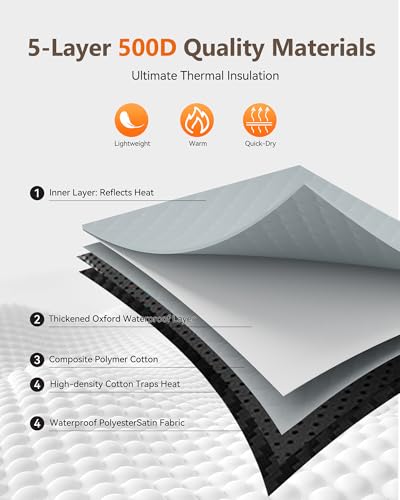
Build quality matters because a portable sauna has to handle repeated heat, moisture, setup, and storage without warping, tearing, leaking heat, or becoming unstable. Look for sturdy frames, heat-resistant and easy-to-clean materials, reinforced seams or zippers, and components that feel secure rather than flimsy. Be cautious of thin fabrics, weak supports, poor ventilation, or loose-fitting parts, since these can affect safety, comfort, and long-term reliability.
Prioritize moisture management over looks: for a steam sauna, check that the tent or cabin uses water-resistant, heat-tolerant materials, tight seams, a stable frame, a non-rusting zipper or door system, and a floor design that will not trap puddles where mildew can start. For portable models, avoid flimsy poles, sagging fabric near the steam outlet, and thin chairs or stools that feel marginal for your body weight; for wood-style units, look for smooth interior surfaces, solid joinery, and hardware that will tolerate repeated humidity. Owner feedback supports this focus: buyers often praise sturdier-than-expected portable builds, quality-feeling materials, straightforward assembly, and attractive craftsmanship that feels more furniture-like than disposable.
Heat
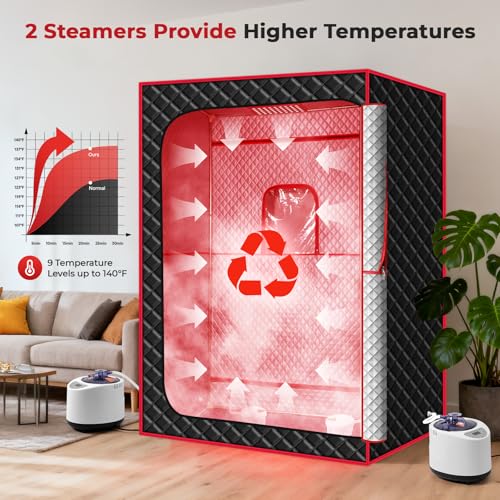
Heat determines how satisfying and practical your portable sauna sessions feel: you want enough heat or steam output to reach your preferred intensity without waiting too long. Look for strong heating performance, steady temperature control, and a design that holds warmth well, since weak insulation or uneven steam can leave you with hot and cool spots. Be wary of models that advertise high maximum temperatures but take a long time to warm up or struggle to maintain heat during use.
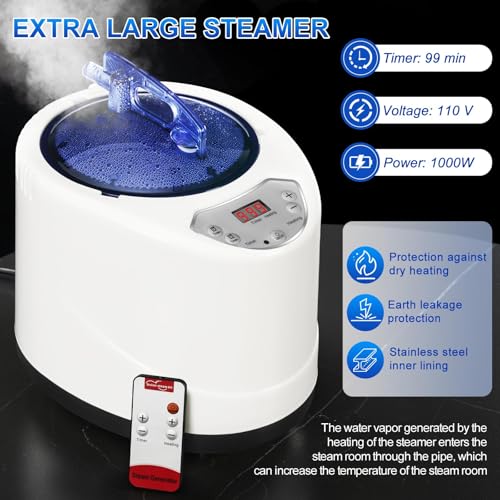
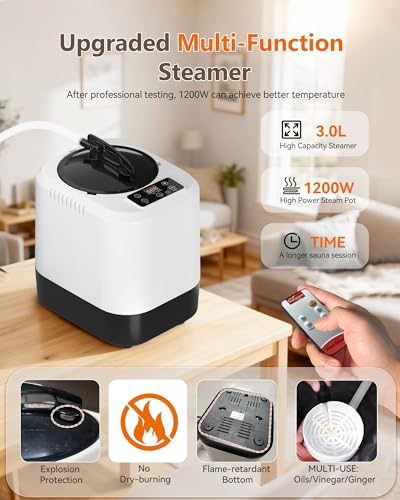
Match the steamer output to the enclosure size and your tolerance for wet heat: a steam sauna should produce dense steam quickly, but it also needs usable controls so the session does not swing from lukewarm to scalding. Look for adjustable steam levels, a reliable timer, auto shutoff, clear water-fill limits, and a steam hose/nozzle layout that keeps hot vapor away from bare skin and fabric walls. Owner sentiment is strongly positive on this dimension, with many buyers saying their units preheat in roughly minutes, build thick steam quickly, and reach sweat-inducing temperatures without long waits.
Performance
Performance matters because a portable sauna should heat reliably, maintain a comfortable temperature, and create the kind of sweat session you expect without constant adjustment. Look for even heat distribution, sufficient maximum temperature, steady steam or infrared output depending on the type, and a design that seals well enough to avoid major heat loss. Watch out for units that take too long to warm up, feel weak in use, or have controls that make it hard to get consistent results.
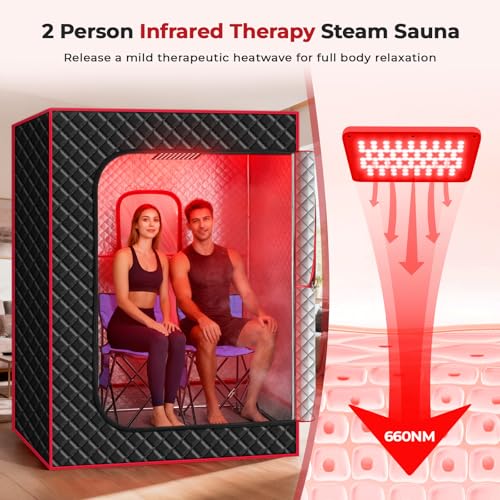
Evaluate the whole steam system, not just maximum heat: the best home steam sauna keeps steam consistent through the session, avoids excessive condensation dripping onto you, has controls you can operate safely while seated, and maintains enough ventilation that breathing still feels comfortable. If you want recovery use after workouts, check that the timer range, steam intensity, seating position, and interior height support a full session without needing constant adjustments or refills. Owners commonly report satisfying sweat, post-workout relaxation, sore-muscle relief, and well-functioning extras such as timers, controls, lighting, speakers, or red-light features when included.
Setup
Setup matters because a portable sauna should be something you’ll actually use, not a project you dread every time. Look for straightforward assembly, clear instructions, stable poles or panels, and simple hose or steam connections; watch out for designs that require awkward lifting, lots of small parts, or long cool-down and teardown steps if you plan to move or store it often.
Before buying, map the setup path: a steam sauna needs a flat water-safe area, access to the correct outlet, space for the steamer outside the enclosure, a safe hose route, and a place to dry all parts after use. Portable models should fold without stressing the frame or seams, and one-person assembly matters if you plan to store it between sessions; larger cabin-style units should have clear panel fitment and enough clearance for delivery and assembly. Owner feedback backs convenience as a major strength, with many shoppers describing tool-free or intuitive assembly, quick tent setup, easy folding, lightweight movement, and low-hassle everyday use.
Value
Value matters because a portable sauna can seem inexpensive upfront but still disappoint if it feels flimsy, heats poorly, or lacks the comfort you’ll actually use. Look for owner feedback that the sauna delivers consistent heat, durable materials, easy setup, and enough space for the cost, and be cautious of options praised only for being cheap rather than reliable or satisfying over time.
Judge value by safe repeat use, not just the lowest upfront cost: a worthwhile steam sauna should include a capable steamer, durable enclosure, safe electrical design, dependable controls, and parts that can dry cleanly so you are not replacing a moldy tent or leaking hose after a few months. Frequent users should favor stronger materials, better seating, and more precise steam control, while occasional users may prioritize portability and storage. Owners often see these saunas as a strong value when they deliver frequent private home-spa sessions, feel sturdier than bargain alternatives, and avoid the space or installation demands of a permanent built-in sauna.
Comfort
Comfort matters because a portable sauna only supports relaxation and consistency if you can sit or lie in it without feeling cramped, strained, or distracted. Look for a stable, supportive chair or enough interior space for your preferred posture, and consider wellness extras like red light therapy only if the red light coverage reaches the areas you care about. Watch out for designs that prioritize heat output over ergonomics, since poor seating comfort can limit pain relief and make longer sessions unpleasant.
Comfort in a steam sauna depends on fit, posture, and condensation control: check interior dimensions while seated, shoulder and knee room, chair stability, head/hand openings if it is a tent style, and whether steam enters below or beside you without blowing directly onto legs or feet. Also consider how you will breathe, wipe condensation, exit safely when sweaty, and keep the seat from becoming slippery during longer sessions. Owner feedback is encouraging here, with buyers describing relaxing, spa-like sessions, satisfying sweat, sore-muscle relief, meditation or wind-down use, and, in roomier portable designs, enough space to sit comfortably through a full-body steam session.
1,000,000+ shoppers use Buyer's Guide every week to find the best products and services online.

Helping millions of users make smarter purchases online.


