










We also considered 10 others:


Our Top Choice
Compare Features


The order above is not editorial opinion, and it is not paid placement. It comes from what shoppers across our network actually do - which mixers they compare, and which they ultimately buy. We re-rank as new data comes in, so the long-term favorites have to keep earning their spot against new entrants. The full method, including how we make money.
Mixers Buyer's Guide
Buying a mixer is really a choice between task fit and control: the machine that whips cream beautifully may be wrong for bread dough, hot soup, or daily protein shakes. The sharpest things to check are torque and speed control for your actual ingredients, plus cleanup/storage details that determine whether the mixer becomes a daily tool or a cabinet hostage.
Build
A mixer’s build quality affects how well it handles heavy doughs, frequent use, and years of wear without wobbling, overheating, or loosening up. Look for sturdy materials, tight-fitting attachments, a stable base, and controls that feel solid; be cautious of lightweight housings, excessive vibration, or parts that flex under pressure.
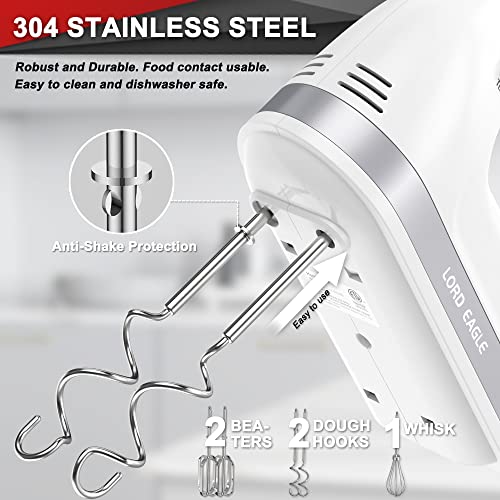
For build, match the construction to the hardest job you expect: heavy doughs need a rigid head/stand, stable base, durable gears, and a bowl that locks securely, while immersion blending hot soups calls for a stainless shaft, tight blade guard, and heat-safe detachable parts. Avoid flimsy attachment locks, wobbly beaters, thin plastic housings near stress points, and designs with vents or seams positioned where batter or soup can enter. Owner feedback supports prioritizing sturdiness: buyers often describe well-built immersion blenders as substantial workhorses, stainless builds as durable and easy to clean, and stand mixers as dependable kitchen staples when they feel solid under load.
Performance
Performance matters because a mixer that blends evenly, beats smoothly, and kneads reliably will give you better results across everyday recipes, from cake batter to bread dough. Look for consistent mixing without leaving dry pockets on the bowl, enough power and stability for thicker doughs, and speed settings that let you handle delicate whipping as well as heavy kneading without splattering or straining.
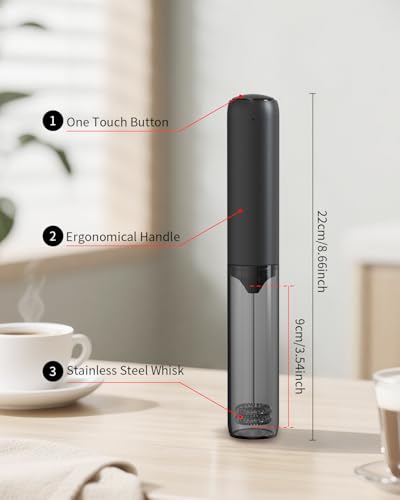
For performance, first decide whether you need aeration, kneading, chopping, puréeing, or emulsifying, because each stresses a mixer differently. Look for smooth low-speed starts for flour and cream, consistent planetary or beater coverage for bowls, a blade/bell design that reduces suction for immersion models, and attachments that actually reach the mixture without leaving unmixed corners. Owner reports back this up: shoppers praise mixers that quickly make creamy foam, smooth protein drinks, puréed soups, pesto, smoothies, salsa, fine pastes, and bisques, while also noting that very strong immersion motors may require technique changes to prevent splashing or suction.
Ease
A mixer that’s easy to use makes everyday prep smoother, especially when you’re adding ingredients, changing speeds, or cleaning up between tasks. Look for intuitive controls, stable handling, easy-to-attach accessories, and a bowl or head design that gives you good access without awkward maneuvering. Watch out for controls that are hard to read, attachments that feel fussy to lock in, or designs that make scraping, pouring, and cleanup more cumbersome.
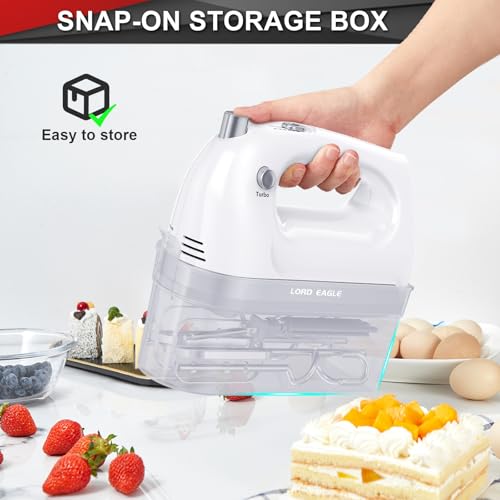
For ease, prioritize controlled starts, easy attachment changes, and cleanup paths that fit your routine: a slow first speed helps prevent flour clouds and batter spray, one-handed speed adjustment matters for immersion blending, and dishwasher-safe or quick-rinse attachments matter if you use it daily. Check whether beaters eject cleanly, the bowl or splash guard is awkward to install, the cord interferes with your grip, and whether the mixer is too heavy to pull out often. Owner sentiment strongly favors practical convenience: users like handheld designs that are simple to use and compact, lighter mixers with handles, snap-on storage cases that keep attachments together, and nine-speed controls that start gently without throwing ingredients around.
Value
A mixer’s value comes down to whether its performance, durability, and included features justify what you spend. Look for a model that handles your typical mixing tasks reliably without paying for capacity, attachments, or settings you will rarely use. Watch out for low-cost mixers that feel underpowered or flimsy, since they can end up being less economical if they struggle with regular use.
For value, do not compare mixers only by purchase cost; compare the jobs it can safely do, the attachments included, whether replacements are available, and whether the motor and gears are suited to your frequency of use. Occasional cake batter can justify a simpler hand mixer, but weekly bread dough or daily soup blending is where underbuilt models become false economy. Owners often describe inexpensive frothers and hand mixers as strong value for daily drinks or normal baking, while more capable stand or immersion setups feel worth it when build quality, performance, included attachments, and a broader attachment ecosystem make them useful over the long term.
Power
Power matters because it determines how well your mixer can handle dense doughs, thick batters, and longer mixing sessions without bogging down or overheating. Look for a motor strong enough for the heaviest tasks you expect to do regularly, but also pay attention to how smoothly it delivers that power, since raw wattage does not always equal better performance.
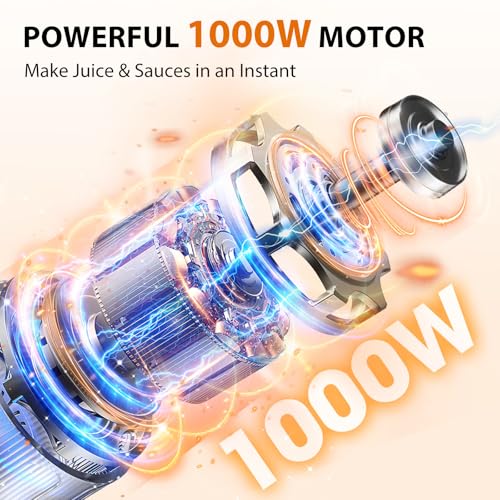
For power, look beyond advertised watts and check torque, speed range, duty cycle, and how controllable the power is at the low end. Bread dough, nut-heavy pastes, frozen fruit, and thick purées need sustained torque and heat management, while milk frothing and drink powders need fast blending without vortexing liquid out of the cup; too much uncontrolled power can cause splashing, suction, or overprocessing. Owner feedback reinforces this distinction: buyers praise strong motors that handle frozen fruit, protein shakes, salsa, pesto, soups, tougher ingredients, and smooth drink mixes, but some also report needing to adjust technique because powerful immersion models can splash or pull against the container.
Size
A mixer’s size and weight affect where you can keep it, how easily you can move it, and whether you’ll actually want to pull it out for regular use. If you have limited counter or cabinet space, look for a footprint that fits your storage plan and a weight you can comfortably lift; heavier mixers may feel more stable during tough tasks but can be a hassle to move. Also watch for height clearance under cabinets and whether attachments or bowls need extra storage room.
For size, choose capacity and footprint together: a stand mixer bowl should handle your batch size without forcing ingredients up the sides, while an immersion blender needs a shaft length and guard diameter that fit your pots, jars, and cups. In small kitchens, check cabinet height, counter clearance under upper cabinets, bowl/attachment storage, and whether the mixer is light enough to move; a powerful mixer that is annoying to store often gets used less. Owners consistently value compactness and organization, praising lighter mixers with carry handles, built-in or snap-on storage cases for cords and attachments, compact designs that can stay out without dominating the counter, and storage-friendly setups with bowls, splash guards, and attachments that tuck away neatly.
1,000,000+ shoppers use Buyer's Guide every week to find the best products and services online.

Helping millions of users make smarter purchases online.


