









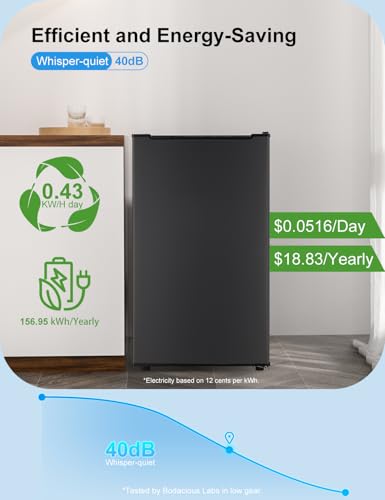


We also considered 10 others:


Our Top Choice
The order above is not editorial opinion, and it is not paid placement. It comes from what shoppers across our network actually do - which small upright freezers they compare, and which they ultimately buy. We re-rank as new data comes in, so the long-term favorites have to keep earning their spot against new entrants. The full method, including how we make money.
Small Upright Freezers Buyer's Guide
Small upright freezers are bought for a tight-space tradeoff: you want real overflow frozen storage without giving up apartment, pantry, counter, or garage-room floor space. The best picks balance usable interior volume, stable freezing, quiet placement, and easy defrosting, while the biggest risks are frost buildup, poor door sealing, and early unit failure.
Fit & Capacity
Small upright freezers are often chosen because a chest freezer or full-size upright will not fit the room. A good one should match the available footprint while still offering usable shelf space for the foods you actually freeze. Door swing, leveling feet, and ventilation clearance matter because a freezer that technically fits can still be awkward or run poorly if boxed in.
Measure the exact spot before buying, including door-swing clearance, rear and side ventilation space, and whether the freezer must sit under a counter, beside cabinets, or in a narrow apartment corner. For this category, do not judge by exterior height alone: look for usable shelf spacing, removable shelves, and enough vertical clearance for containers or frozen meal boxes, because a compact upright can feel much smaller if the interior layout is rigid. Owner feedback strongly supports size as a deciding factor, with buyers valuing compact stand-up units that still feel useful, fit neatly in small spaces, and provide practical overflow freezer space without taking up much room.
Cold Stability
The core job of a freezer is not just to feel cold but to keep food frozen through daily use, door openings, and changing loads. Small uprights have less thermal mass than larger freezers, so temperature recovery and seal quality are especially important. Stable temperature control also reduces food-quality loss from partial thawing and refreezing.
Prioritize models that can hold food-safe freezer temperatures consistently, ideally with an adjustable thermostat and enough compressor strength to recover after the door is opened or after adding unfrozen food. A separate freezer thermometer is useful in this niche because compact units may have small dials with vague settings, and shoppers should avoid any design where the door gasket, thermostat, or vents appear easy to obstruct. Owner sentiment points to freezing performance as a major strength when units are working properly: many owners describe them as getting very cold, keeping food frozen reliably, and maintaining expected freezing performance in normal use.
Frost Control
Frost reduces usable space, can make shelves harder to access, and may eventually interfere with the door sealing cleanly. In compact uprights, even a small amount of ice buildup can matter because there is limited interior clearance. Buyers should treat defrosting as part of ownership unless the freezer is specifically designed to prevent it.
Check whether the freezer is manual-defrost or frost-free, because many small upright freezers trade lower cost and compactness for periodic manual defrosting. Look for a tight magnetic gasket, flat interior surfaces that are easy to wipe, a clear defrost procedure, and enough room near the top that frost will not immediately interfere with stored food or the door seal. Owner reports make frost the clearest tradeoff: some buyers notice ice forming near the top, and frost buildup can require manual defrosting even when the freezer otherwise performs well.
Quiet Placement
Small upright freezers are often placed close to living areas because they are bought for spaces without a dedicated utility room. Compressor hum, cycling sounds, and vibration can be more noticeable in apartments or offices than in garages. Proper clearance and leveling can improve both noise and cooling performance.
Decide where the freezer will live before choosing one: a bedroom, studio apartment, office, or countertop area needs a quieter compressor than a pantry, basement, or utility room. Look for stable feet, adequate ventilation, and a level installation, since vibration and cabinet contact can make a compact freezer sound louder than expected. Owner feedback notes quiet operation as a strength for compact extra-freezer use, especially when the unit fits neatly in small spaces, so noise should be weighed alongside footprint rather than treated as an afterthought.
Reliability Check
Compact freezers contain the same basic refrigeration risks as larger appliances, but shoppers often use them as backup food storage where failure can waste the contents. Early testing matters because cooling problems may not be obvious from appearance alone. A good buying process includes checking delivery condition, seal integrity, and temperature performance before relying on the freezer fully.
Because early failure is a real risk in compact refrigeration, buy only where inspection, return, and warranty steps are practical, and test the freezer promptly with a thermometer before loading valuable food. On arrival, check for cabinet dents, a square door, an undamaged gasket, secure shelves, and cooling performance over the first day; damage or a poor seal can lead to frost, temperature swings, or total failure. Owner sentiment is mixed on reliability: many units work well for months, but a meaningful minority describe serious early failures, while many buyers also report clean, undamaged arrivals and a purchase that feels worthwhile when the unit works as expected.
1,000,000+ shoppers use Buyer's Guide every week to find the best products and services online.

Helping millions of users make smarter purchases online.