














We also considered 10 others:


Our Top Choice
Compare Features


The order above is not editorial opinion, and it is not paid placement. It comes from what shoppers across our network actually do - which safest booster seats they compare, and which they ultimately buy. We re-rank as new data comes in, so the long-term favorites have to keep earning their spot against new entrants. The full method, including how we make money.
Safest Booster Seats Buyer's Guide
The safest booster is the one that fits the child, the vehicle, and the specific use case every time: a car booster must position the lap-and-shoulder belt correctly, while a dining/travel booster must stay stable on an adult chair and should never be treated as crash protection. The sharp tradeoff in this category is portability versus stability—compact seats are useful for carpools and travel, but only if they preserve safe belt geometry or secure chair attachment.
Fit
A car seat only protects well when it fits both your child and your vehicle, so you want a setup that holds the seat steady and positions the harness or belt correctly. Look for a snug fit with minimal movement at the belt path, harness straps that sit at the right height and tighten securely, and enough space in your vehicle for the seat to be installed at the proper angle. Watch out for seats that seem stable only after awkward adjustments or that make it hard to buckle, tighten, or use the seat consistently.
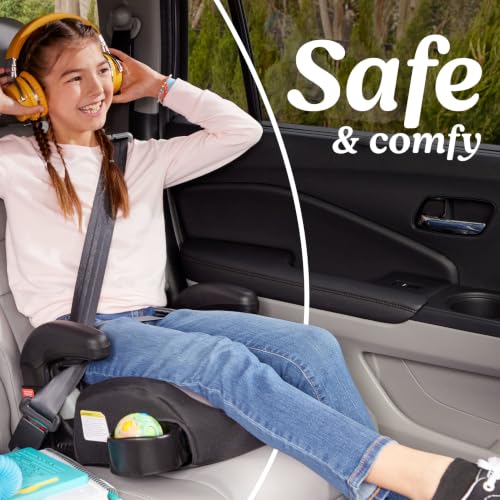
For fit, check the safety fit before comfort or convenience: in a vehicle booster, the lap belt should lie low across the upper thighs, the shoulder belt should cross the center of the shoulder, the child’s knees should bend naturally at the vehicle-seat edge, and the booster must be used only with a lap-and-shoulder belt—not a lap-only belt. For backless boosters, confirm the vehicle has adequate head support; for high-back boosters, make sure the shoulder-belt guide does not pinch or misroute the belt; for dining boosters, verify the base sits flat on the chair and the chair-back and seat straps tighten securely. Owner feedback supports prioritizing fit: buyers often say lightweight, slimmer boosters fit well in different vehicles, LATCH-equipped models feel more stable because they do not slide around, and kids from younger big-kid sizes through taller transition-age children tend to ride comfortably when the belt adjuster and headrest height are right.
Quality
You want a car seat that feels solid and well made, because it needs to hold up through daily buckling, tightening, cleaning, and moving between vehicles without loosening, fraying, or becoming harder to use. Look for sturdy shell construction, secure harness hardware, durable fabric, smooth adjustment mechanisms, and covers that can be removed and reinstalled without stretching out or fitting poorly. Be cautious of flimsy plastics, rough harness movement, thin padding, or parts that feel like they may crack, snag, or wear quickly.
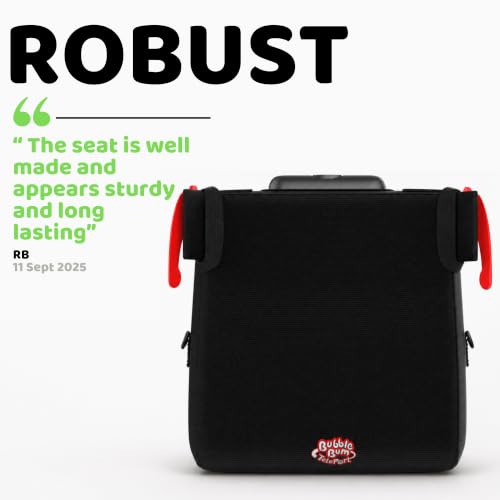
For quality, look for a clearly labeled, current safety-compliant seat with an unexpired shell, intact belt guides, energy-absorbing side structure on high-back models, secure LATCH hardware if included, and instructions that specify crash-replacement and cleaning rules. Avoid unknown used boosters, cracked plastic, frayed harnesses on combination seats, loose belt-positioning clips, or travel/inflatable designs that do not hold shape firmly enough to maintain belt position. Owner sentiment backs this up: shoppers repeatedly describe stronger options as sturdy, well made, durable in daily use, confidence-inspiring, and especially reassuring when attachment clips or LATCH keep the booster from shifting on the vehicle seat.
Comfort
Your child may spend long stretches in a car seat, so comfort affects everything from daily errands to longer trips. Look for supportive padding, cushioning that feels soft without being bulky, and a fit that keeps your child properly positioned without pressure points, overheating, or slumping.
For comfort, prioritize posture that preserves belt fit: the child should sit upright without slouching, leaning out of the belt, or tucking the shoulder belt behind the back, and padding should not be so thick or aftermarket that it changes belt routing. A high-back design is usually safer for children who still nap or slump, while adjustable headrests, adequate thigh support, and unobtrusive armrests help keep the lap belt low and the shoulder belt centered. Owner feedback aligns with this safety-first comfort goal: families praise padded seats, supportive headrests, shoulder pads, cup holders, and high-back support, and many report that children stay comfortable on regular rides and longer drives while the belt sits correctly.
Usability
You’ll use a car seat constantly, so small usability issues—stiff buckles, awkward harness adjustments, or confusing recline settings—can become daily frustrations and increase the chance of mistakes. Look for intuitive controls, smooth strap tightening, clear adjustment indicators, and features you can operate one-handed or in tight spaces, especially if you’ll be moving the seat between vehicles or adjusting it for a growing child.
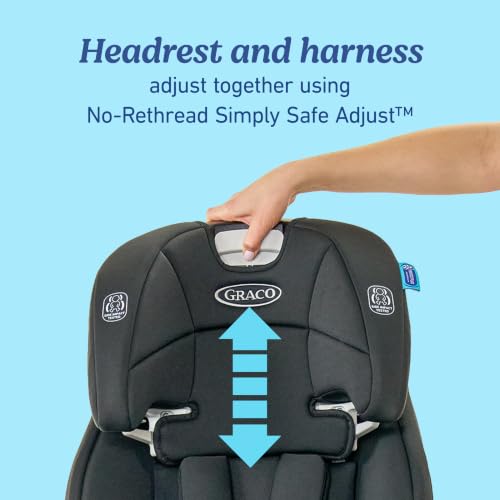
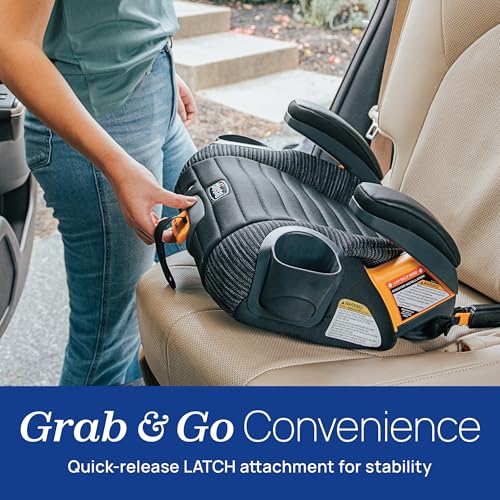
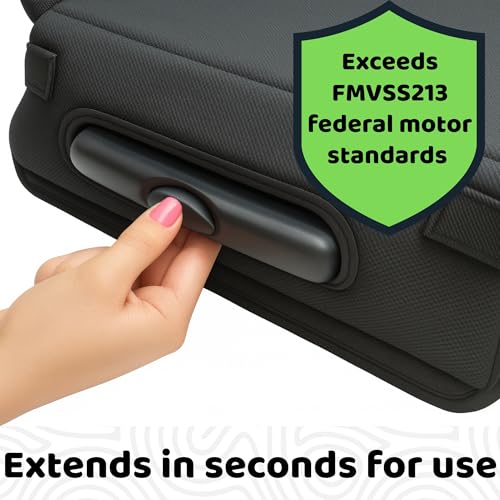
For usability, choose a booster that adults can install and check correctly in seconds, because a theoretically safer seat loses value if caregivers misroute the belt or skip anchoring it. Look for obvious belt guides, easy buckle access, simple height adjustment, LATCH that clicks in without wrestling if offered, and clear mode changes on combination seats; for dining/travel boosters, require a stable open position, secure chair straps, and fast cleanup without loosening structural parts. Owner reports reinforce the importance of simple daily use: buyers frequently highlight easy assembly, easy installation, quick setup, lightweight movement between vehicles, and travel boosters that can be opened, strapped down, inflated, deflated, or packed without much effort.
Value
A car seat’s value comes from how well its safety, comfort, ease of use, and durability justify what you spend. Look for features you’ll actually use over the full life of the seat, such as simple installation, adjustable fit, washable fabrics, and a build that can handle daily use. Watch out for paying extra for add-ons that don’t improve safety or make the seat easier to live with.
For value, measure cost by how long the seat can be used safely and correctly, not by the lowest upfront spend. A good-value booster has enough height range for growth, works in the family’s actual vehicles, includes the modes you will truly use—harness-to-booster, high-back, or backless—and has a useful remaining expiration period; an extra simple booster for grandparents or carpools can be valuable if it prevents unsafe no-booster rides. Owner sentiment supports this practical view: buyers often describe convertible and adjustable boosters as long-term choices, appreciate affordable extra seats for travel or alternate caregivers, and frame sturdy, easy-to-use, compact options as worth purchasing again.
Portability
You’ll notice portability most when you’re carrying an infant seat, switching a car seat between vehicles, or taking it through airports and rideshares. Look at the seat’s actual weight, handle comfort, installation complexity, and whether its shape is awkward to lift or fit through tight spaces. A lighter seat can be easier day to day, but make sure it still fits your child, your vehicle, and your safety needs.
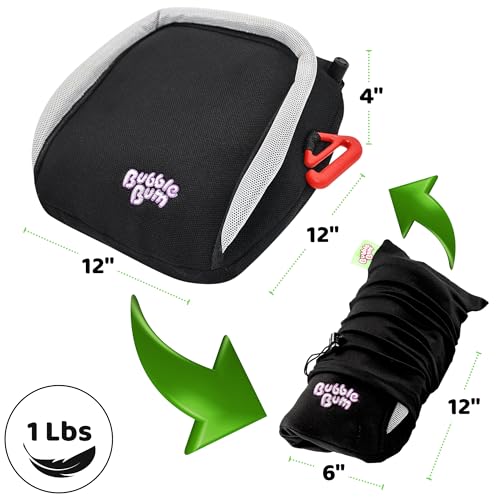
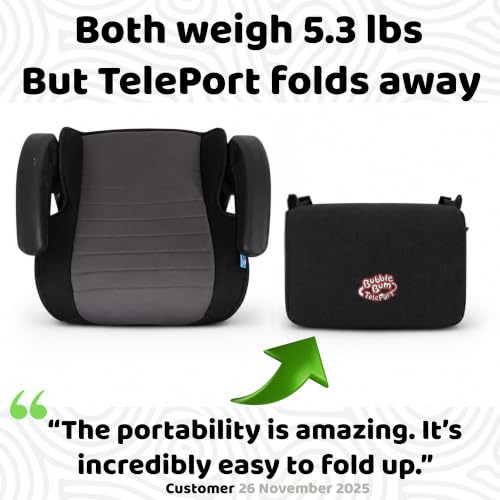
For portability, do not let small size override safety: a travel car booster still needs certified vehicle use, firm belt guides, reliable inflation or structure if applicable, and a packed form that does not damage the shell or guides; a portable dining booster should fold securely, have a non-slip base, and include straps that fit real restaurant or grandparent chairs. Lightweight seats are excellent for carpools, rideshares, airports, and switching cars, but heavier high-back models may offer more structure and sleep support, so match portability to the child’s maturity and ride length. Owner feedback captures this tradeoff well: families like compact boosters that move easily between cars, fit in storage bags or backpacks, and avoid lugging a full-size seat, while some note that certain models feel heavier than expected when carried often.
1,000,000+ shoppers use Buyer's Guide every week to find the best products and services online.

Helping millions of users make smarter purchases online.


