










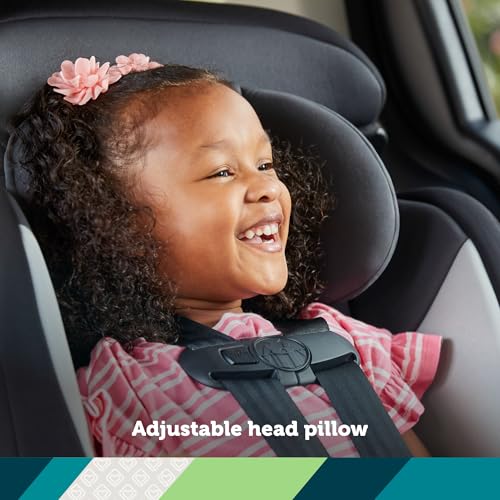


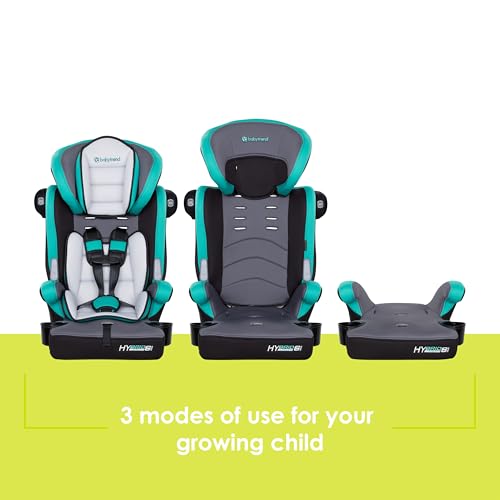


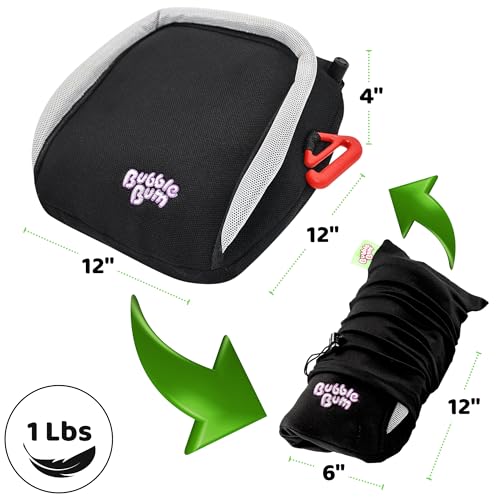


We also considered 10 others:


Our Top Choice
Compare Features


The order above is not editorial opinion, and it is not paid placement. It comes from what shoppers across our network actually do - which car seats for 4 year olds they compare, and which they ultimately buy. We re-rank as new data comes in, so the long-term favorites have to keep earning their spot against new entrants. The full method, including how we make money.
Car Seats for 4 Year Olds Buyer's Guide
For many 4-year-olds, the key decision is not simply “car seat vs. booster,” but whether the child is mature and sized for belt-positioning or still needs a forward-facing harness. The sharpest checks are harness/booster fit at the child’s current height and weight, stable installation in the actual vehicle, and whether the seat keeps the lap and shoulder belt correctly positioned on every ride.
Fit
A car seat only protects well when it fits both your child and your vehicle, so you want a setup that holds the seat steady and positions the harness or belt correctly. Look for a snug fit with minimal movement at the belt path, harness straps that sit at the right height and tighten securely, and enough space in your vehicle for the seat to be installed at the proper angle. Watch out for seats that seem stable only after awkward adjustments or that make it hard to buckle, tighten, or use the seat consistently.
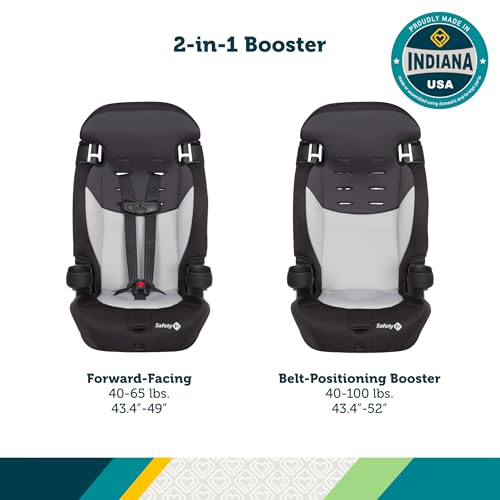
For fit, start by matching the seat to a 4-year-old’s real stage: many children this age still fit best in a forward-facing harness, while a booster should only be used if the child meets the size requirements and can sit upright without leaning, slouching, or moving the belt. Check the harness height limit, shoulder-slot position, crotch buckle room, headrest range, and whether the booster belt guide places the shoulder belt across the center of the shoulder and the lap belt low on the upper thighs. Also test the seat in your actual vehicle for buckle access, seat depth, headrest interference, and whether you need a slimmer footprint for three-across, carpools, or frequent vehicle swaps. Owners tend to support these priorities by praising seats that are lightweight, compact, easy to move between cars, simple to buckle, stable with lower anchors, comfortable for children, and useful as children grow from high-back to backless booster modes.
Quality
You want a car seat that feels solid and well made, because it needs to hold up through daily buckling, tightening, cleaning, and moving between vehicles without loosening, fraying, or becoming harder to use. Look for sturdy shell construction, secure harness hardware, durable fabric, smooth adjustment mechanisms, and covers that can be removed and reinstalled without stretching out or fitting poorly. Be cautious of flimsy plastics, rough harness movement, thin padding, or parts that feel like they may crack, snag, or wear quickly.
For quality, prioritize a seat that keeps its adjustment mechanisms reliable through daily harness tightening, headrest changes, snack spills, school pickups, and frequent reinstallation. Look for smooth but secure harness adjusters, sturdy belt guides that do not flex easily, padding that stays in place, clearly labeled belt paths, washable covers, intact energy-absorbing structure, a visible expiration date, and no unknown crash history if considering a secondhand seat. Convertible or multi-mode designs can be worthwhile for a 4-year-old only if each mode fits well; do not treat extra modes as quality if the harness is nearly outgrown or the booster belt fit is poor. Owner feedback reinforces that shoppers value seats that feel sturdy, well made, reliable, and confidence-inspiring, with substantial padding and construction that still feels manageable rather than bulky.
Comfort
Your child may spend long stretches in a car seat, so comfort affects everything from daily errands to longer trips. Look for supportive padding, cushioning that feels soft without being bulky, and a fit that keeps your child properly positioned without pressure points, overheating, or slumping.
For comfort, focus on posture that preserves safe belt or harness positioning, not just softness. A 4-year-old who naps or wiggles may need a supportive high-back shape, an adjustable headrest that does not push the head forward, enough shoulder and hip room, a crotch buckle that does not pinch, and padding that supports long rides without making the harness hard to tighten. Cup holders can help reduce reaching and twisting, but make sure they do not make the seat too wide for your vehicle setup. Owners commonly report that children like padded seats, supportive headrests, shoulder pads, cup holders, and roomier shapes, with many noting that kids stay comfortable on regular rides and longer drives.
Safety
Safety matters because a car seat’s main job is to protect your child in a crash and keep them properly restrained on every ride. Look for a seat that fits your child’s age, size, and stage, installs securely in your vehicle, and has harness or belt paths that are easy to tighten correctly. Watch out for seats that are confusing to install or adjust, because even a well-rated seat can’t protect as intended if it’s used incorrectly.
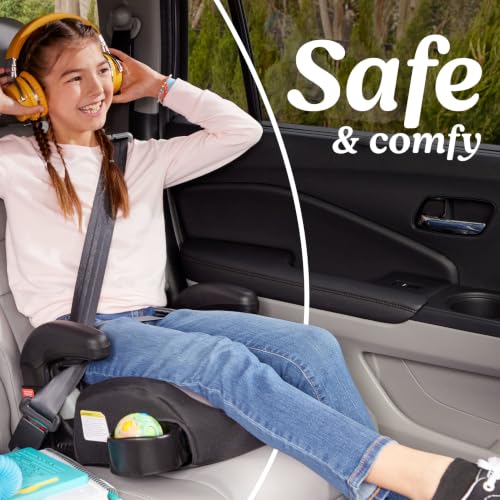
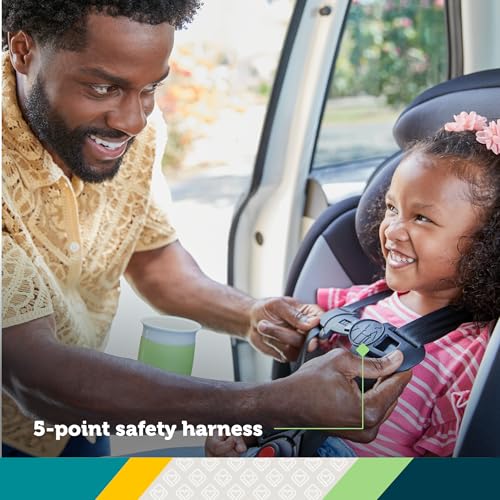
For safety, keep a 4-year-old harnessed until they have outgrown the forward-facing limits or can consistently use a booster correctly for the entire trip; age alone is not enough. In harness mode, verify the top tether is used when required, the harness is snug with the chest clip at armpit level, and the seat is installed with either the vehicle belt or lower anchors according to the manual and anchor weight limits. In booster mode, confirm the lap belt stays low on the thighs, the shoulder belt crosses the shoulder and chest, the vehicle has adequate head support for backless use, and the child will not put the belt behind the back or under the arm. Owner sentiment backs the importance of stability and proper restraint: buyers repeatedly describe well-installed seats as sturdy, secure, stable with lower-anchor attachment, reassuring in the harness, and confidence-inspiring for everyday driving.
Usability
You’ll use a car seat constantly, so small usability issues—stiff buckles, awkward harness adjustments, or confusing recline settings—can become daily frustrations and increase the chance of mistakes. Look for intuitive controls, smooth strap tightening, clear adjustment indicators, and features you can operate one-handed or in tight spaces, especially if you’ll be moving the seat between vehicles or adjusting it for a growing child.
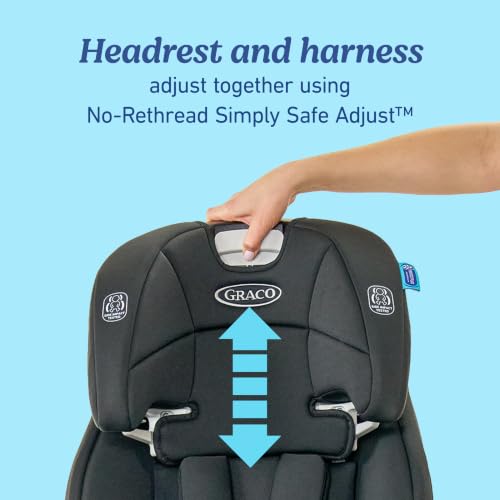
For usability, choose the restraint you can install and use correctly every day, especially if the seat moves between parents, grandparents, carpools, or rideshares. Look for clear belt paths, a shoulder-belt guide that is easy to route correctly, harness height adjustment that does not require complicated rethreading if you adjust often, accessible buckles, covers that can be cleaned after preschool messes, and a weight that caregivers can realistically carry. If choosing a travel or spare booster, make sure convenience does not compromise belt fit, stability, or the child’s ability to sit properly. Owners frequently praise seats that assemble quickly, install clearly, move easily between vehicles, pack or store without hassle, and make it straightforward to achieve a proper shoulder-belt position.
Value
A car seat’s value comes from how well its safety, comfort, ease of use, and durability justify what you spend. Look for features you’ll actually use over the full life of the seat, such as simple installation, adjustable fit, washable fabrics, and a build that can handle daily use. Watch out for paying extra for add-ons that don’t improve safety or make the seat easier to live with.
For value, judge the seat by how long it will safely and correctly fit your specific 4-year-old, not by the number of advertised modes alone. A higher-value choice has enough harness height and weight capacity if your child still needs a harness, a high-back booster mode that positions the belt well, and a backless mode only if your vehicle and child are appropriate for it later. For secondary cars, grandparents, or travel, a simpler booster can be good value only when the child is truly booster-ready and the vehicle belt fit is correct. Owner feedback supports this practical view: families often see strong value in dependable multi-mode seats, affordable extra boosters for carpools or relatives, and straightforward designs that provide sturdy everyday function without unnecessary extras.
1,000,000+ shoppers use Buyer's Guide every week to find the best products and services online.

Helping millions of users make smarter purchases online.


