





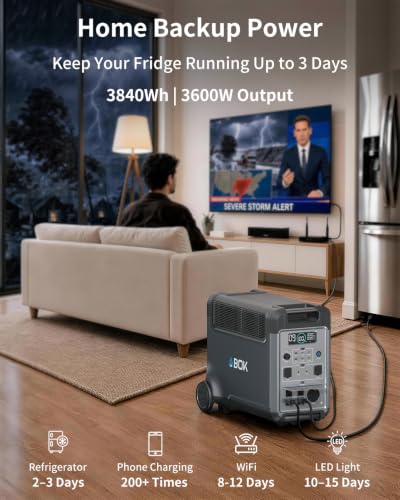

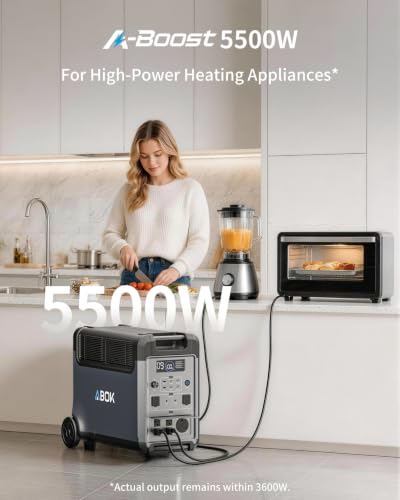


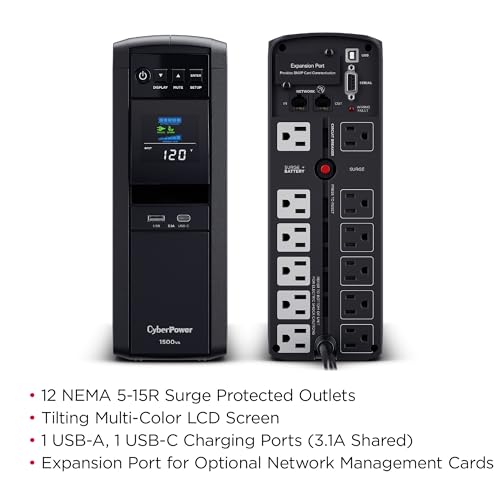
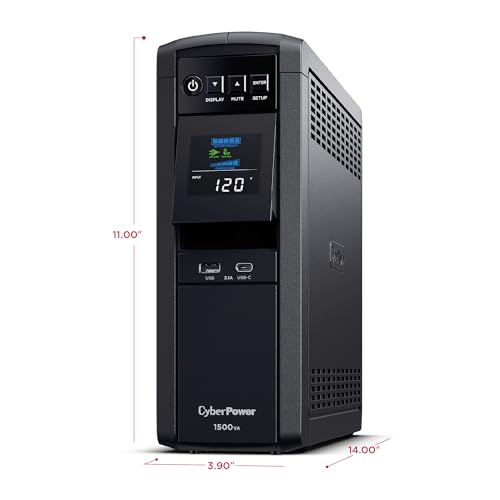


We also considered 10 others:


Our Top Choice
Compare Features


The order above is not editorial opinion, and it is not paid placement. It comes from what shoppers across our network actually do - which refrigerator power backups they compare, and which they ultimately buy. We re-rank as new data comes in, so the long-term favorites have to keep earning their spot against new entrants. The full method, including how we make money.
Refrigerator Power Backups Buyer's Guide
Refrigerator power backups are a tradeoff between instant switchover, enough surge power to start a compressor, and enough stored or generated energy to protect food through a long outage. The sharpest mistakes are buying a small electronics UPS that cannot handle motor startup, or choosing a high-capacity unit without checking waveform, grounding, recharge plan, and safe placement.
Reliability
You want a portable generator that feels dependable under real load, not just one that looks good on a spec sheet. Look for sturdy build quality, clean assembly, protected outlets and controls, effective airflow, and a reputation for running consistently during extended use. Be cautious of flimsy frames, poor ventilation, hard-starting engines, or reports of unstable power, since those can turn backup power into another problem.
For a refrigerator, reliability starts with how the backup handles compressor cycling: look for a unit rated for motor loads, with enough surge headroom, stable voltage, overload protection that resets predictably, and a grounded output suitable for appliance use. Avoid relying on a tiny computer-style UPS as the only refrigerator backup unless it is only meant to bridge seconds-to-minutes flickers; undersized units may shut down when the compressor starts. Owner feedback supports this split: larger backup units are often praised as rugged and dependable, while UPS-style units are mainly trusted for short outages, surges, brownouts, and electronics protection rather than long appliance runtime.
Power
You need enough power output to handle the appliances, tools, or devices you plan to run, including the higher starting watts many motors require. Look for a generator with appropriate running and surge capacity, stable power quality for sensitive electronics, and built-in protections that reduce the risk of overloads or unsafe delivery. Be careful not to size it only by peak wattage—your real-world backup needs depend on what you will run at the same time.
Size power for the refrigerator’s startup surge, not just its running wattage: check the appliance label for amps/watts, multiply startup demand conservatively, and leave margin for defrost heaters, ice makers, control boards, or a second freezer. For modern refrigerators and smart controls, favor clean sine-wave output; avoid modified-wave or low-surge units that can make motors run hot, buzz, or trip off. Owners report that high-output systems can handle serious home loads, including multiple refrigerators or freezers, and that clean sine-wave UPS units work well for demanding electronics; smaller UPS units are praised for flickers and short interruptions, which is useful but not the same as sustained refrigerator backup.
Battery
Battery life and charging performance determine how long you can keep essentials running when fuel is unavailable, noise is a concern, or you need backup power between generator uses. Look for realistic runtime at the loads you expect to power, plus practical charging capability such as fast wall charging, solar input, or car charging if you’ll be off-grid. Watch out for vague battery backup claims that don’t state the watt-hours, recharge time, or what devices were used to measure runtime.
Battery capacity should be judged in usable watt-hours and expected fridge duty cycle, not headline capacity alone: estimate runtime from the refrigerator’s average draw over time, then derate for inverter losses, hot rooms, frequent door openings, and battery aging. If outages can last overnight or longer, prioritize fast recharging from wall power, solar, vehicle, or generator, and consider longer-life lithium chemistry for frequent storm-season use. Owner sentiment backs these priorities: buyers like units that keep real appliances running for hours depending on load, appreciate very fast recharging between outages, and value lithium batteries for longer expected lifespan, lower weight, and compactness compared with older lead-acid designs.
Value
Portable generators can vary widely in cost once you factor in power output, fuel use, runtime, noise, build quality, and included features, so the best value is not always the cheapest option. Look for a generator that reliably covers your essential power needs without making you pay for capacity or extras you will rarely use, and watch out for low upfront prices that may come with shorter runtimes, flimsy components, or limited support.
The best value for refrigerator backup is not the unit with the most outlets; it is the one that can safely start the compressor, run it long enough to protect food, recharge quickly, and connect in a way that fits your outage plan. Do not overbuy computer-backup features you will not use, but do not underbuy surge capacity or battery chemistry if spoiled food, medication storage, or a chest freezer is the real risk. Owners tend to see strong value when capacity, outlet options, pure sine-wave output, LiFePO4-style longevity, and dependable backup performance align with the load, especially compared with older lead-acid UPS designs or smaller light-duty units.
Ease
You’ll appreciate a portable generator that’s easy to set up, starts reliably, and has clear controls when power is out or you’re working away from an outlet. Look for simple starting options, intuitive gauges and outlets, accessible fuel and oil fill points, and features like remote start or connectivity if you want to operate it from a distance. Watch out for heavy, awkward designs or confusing control panels that can make day-to-day use more frustrating than the power is worth.
For refrigerator use, ease is about deployment during a real outage: choose between automatic UPS-style switchover for brief flickers, a portable power station you manually plug the fridge into, or a generator setup with proper outdoor placement and safe transfer equipment. Check cord length and gauge, wheel/handle design, display readability, app controls, fuel flexibility if applicable, and whether the unit can be started and recharged without moving a heavy appliance. Owners commonly describe setup as straightforward, with ready-to-use units, clear controls, useful screens/apps, easier mobility from wheels and handles, and convenient starting or dual-fuel options on generator-style backups.
Noise
Noise matters because a portable generator may run for hours near your home, campsite, or work area, and a loud unit can quickly become disruptive to you and others nearby. Look for clear decibel ratings at a stated load and distance, and remember that higher output or heavier loads often mean more noise. Also consider whether the generator has loud warning beeps or alarms, since alert sounds can be especially annoying in quiet settings or overnight.
Noise matters because refrigerator backups often sit in kitchens, garages, apartments, or near sleeping areas: check whether alarms can be muted, whether fans run continuously under appliance loads, and whether relay clicks or inverter hum will be tolerable overnight. For fuel-powered options, plan for outdoor placement far from windows and living spaces; for indoor battery units, avoid models with unavoidable beeping during every outage if nighttime use is likely. Owner feedback flags noise as a real watch-out: many units are quiet in normal operation, but alarm beeps, self-test alerts, clicks, hum, or load-dependent fan noise can become disruptive, making mute controls and placement important.
1,000,000+ shoppers use Buyer's Guide every week to find the best products and services online.

Helping millions of users make smarter purchases online.


