











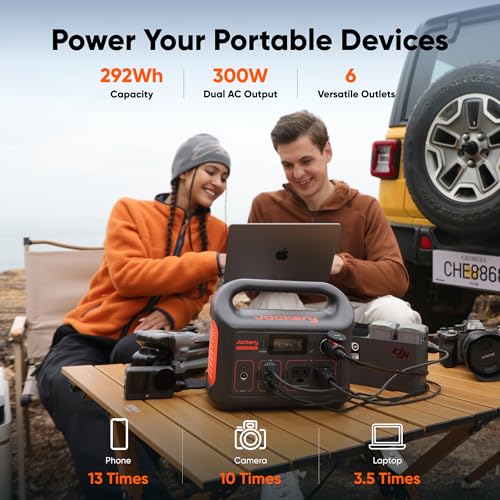


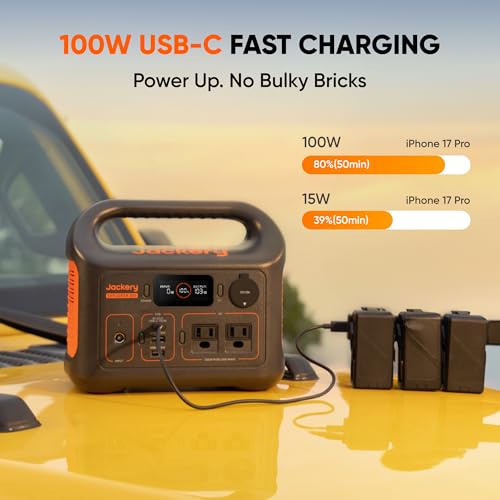




We also considered 10 others:


Our Top Choice
Compare Features


The order above is not editorial opinion, and it is not paid placement. It comes from what shoppers across our network actually do - which battery powered generators for house they compare, and which they ultimately buy. We re-rank as new data comes in, so the long-term favorites have to keep earning their spot against new entrants. The full method, including how we make money.
Battery Powered Generators for Houses Buyer's Guide
A battery powered generator for the house trades silent, indoor-safe backup for a hard limit on stored energy, so the main decision is not “how big is it?” but which loads you can realistically keep alive and for how long. Size it around essential circuits and startup surges, and plan a safe connection method—never improvised backfeeding—plus a way to recharge between outages.
Power
You need enough power output to handle the appliances, tools, or devices you plan to run, including the higher starting watts many motors require. Look for a generator with appropriate running and surge capacity, stable power quality for sensitive electronics, and built-in protections that reduce the risk of overloads or unsafe delivery. Be careful not to size it only by peak wattage—your real-world backup needs depend on what you will run at the same time.
For house backup, check both continuous inverter watts and surge watts against your actual critical loads: refrigerator or freezer compressors, furnace blowers, sump pumps, routers, medical devices, lights, and chargers can be reasonable, while central HVAC, electric ranges, dryers, well pumps, and other 240V/high-draw loads usually require a much larger system or different setup. Look for pure sine wave AC, enough outlets for your use, and the correct voltage; if you intend to feed home circuits, use a proper transfer switch or inlet setup rather than plugging the unit into a wall outlet. Owner feedback supports this essential-load approach: shoppers report good results powering phones, laptops, lights, fans, CPAP machines, refrigerators, TVs, computers, small kitchen needs, RV gear, satellite internet equipment, and even microwaves when the unit is sized appropriately.
Reliability
You want a portable generator that feels dependable under real load, not just one that looks good on a spec sheet. Look for sturdy build quality, clean assembly, protected outlets and controls, effective airflow, and a reputation for running consistently during extended use. Be cautious of flimsy frames, poor ventilation, hard-starting engines, or reports of unstable power, since those can turn backup power into another problem.
For outage readiness at home, prioritize a unit with a proven battery management system, overload/overheat protection, pure sine output for electronics, clear fault indicators, and enough thermal headroom that it is not constantly running at its limit. If you need to keep networking gear, servers, or medical equipment on during flickers, look specifically for a true UPS or fast transfer function and confirm the switchover time suits the device. Owners often describe better units as dependable emergency backups, with durable builds, clean output for sensitive electronics, fast switchover in UPS-style use, and enough consistency to trust for CPAPs, phones, laptops, fridge/freezers, and other essentials over multiple nights.
Battery
Battery life and charging performance determine how long you can keep essentials running when fuel is unavailable, noise is a concern, or you need backup power between generator uses. Look for realistic runtime at the loads you expect to power, plus practical charging capability such as fast wall charging, solar input, or car charging if you’ll be off-grid. Watch out for vague battery backup claims that don’t state the watt-hours, recharge time, or what devices were used to measure runtime.
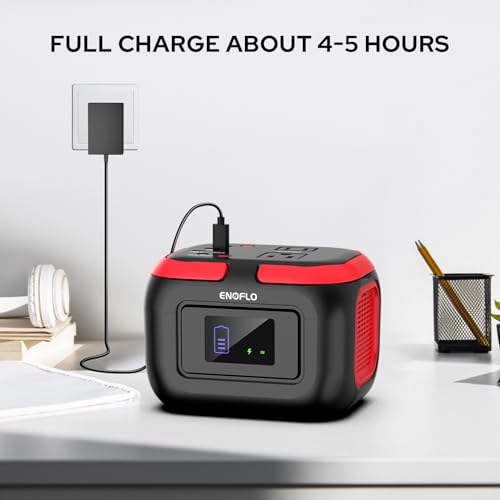
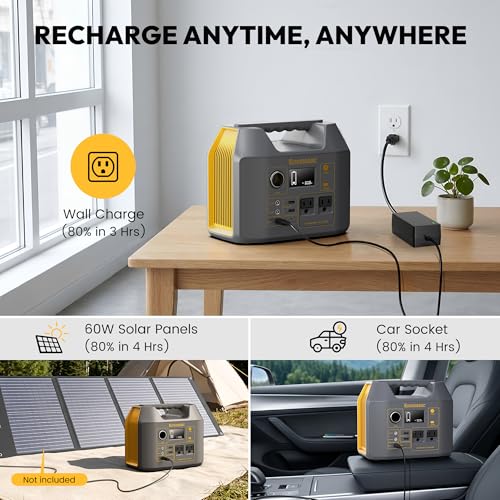
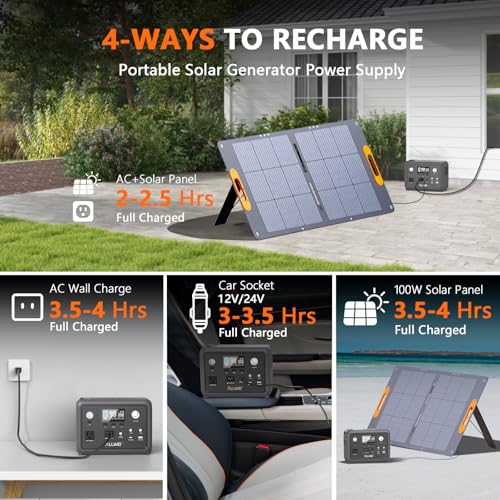
Battery capacity should be chosen from a runtime calculation, not the headline watt-hour number alone: multiply each load’s watts by hours needed, then leave reserve for inverter losses and cold-weather performance. For household standby, long-cycle lithium iron phosphate chemistry, low-temperature charging protection, clear state-of-charge reporting, and flexible recharging from wall power, solar, car, or another generator are especially important; also check whether pass-through charging is allowed and whether it reduces battery life. Owner sentiment reinforces the value of flexible, fast recharge options, with many buyers praising quick wall charging, useful solar charging, car-port charging, scheduled charging, and top-ups that can be completed quickly between uses or outages.
Value
Portable generators can vary widely in cost once you factor in power output, fuel use, runtime, noise, build quality, and included features, so the best value is not always the cheapest option. Look for a generator that reliably covers your essential power needs without making you pay for capacity or extras you will rarely use, and watch out for low upfront prices that may come with shorter runtimes, flimsy components, or limited support.
The best value is the system that covers your critical-load plan without overspending on peak watt claims you will rarely use or undersizing the battery so severely that it only buys a short delay. Compare usable capacity, inverter output, battery chemistry, solar input limits, included cables or panels, warranty support, and any added cost for a transfer switch, inlet, expansion battery, or panels needed to make it a real home-backup solution. Owners tend to feel these units are worth it when they deliver dependable backup power, practical battery life, fast charging, and enough versatility for both household outages and camping or travel, especially when the overall package feels capable and well made.
Portability
Portability matters because a generator that is too heavy or bulky can be difficult to move, load, store, or position safely when you need it. Look at the unit’s weight, overall size, handle design, wheels, and balance, and consider whether one person can realistically move it over the surfaces you expect. Watch for compact models that save space but may trade off fuel capacity, runtime, or power output.
For home use, portability means more than camping weight: decide whether you can move the unit from storage to the kitchen, basement, garage, or transfer inlet during an outage, including stairs and tight spaces. Smaller units are easier to carry but may only cover electronics and lights; larger 1–2 kWh-class units are more useful for refrigerators and multiple essentials but may need wheels, sturdy handles, or a modular design. Owner feedback lines up with this tradeoff, with compact models praised for fitting in backpacks, tool bags, tents, and small storage spaces, while heavier high-capacity units are much more manageable when they include wheels and handles.
Ease
You’ll appreciate a portable generator that’s easy to set up, starts reliably, and has clear controls when power is out or you’re working away from an outlet. Look for simple starting options, intuitive gauges and outlets, accessible fuel and oil fill points, and features like remote start or connectivity if you want to operate it from a distance. Watch out for heavy, awkward designs or confusing control panels that can make day-to-day use more frustrating than the power is worth.
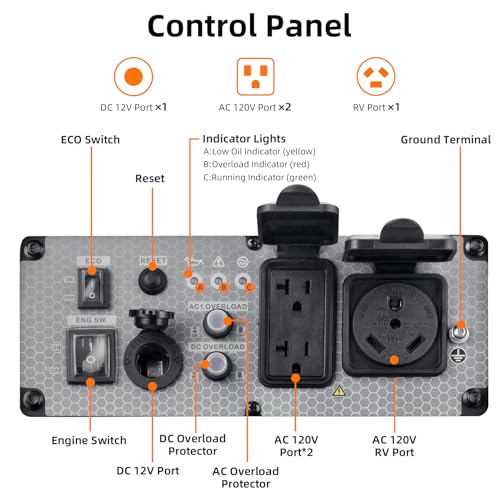
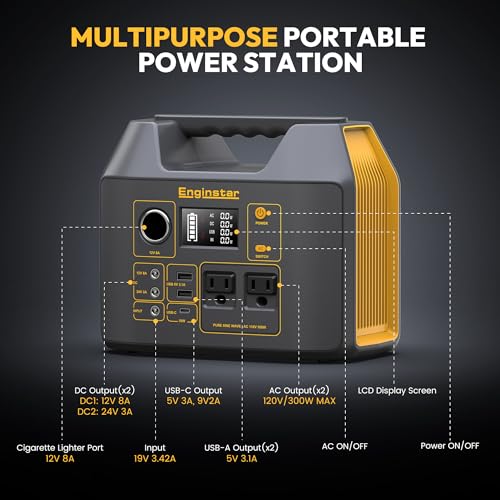
For a house outage, choose controls that a stressed household member can use in the dark: a readable display showing watts in/out, remaining runtime, battery percentage, overload warnings, and clearly labeled AC/DC/USB outputs. App control can help, but the unit should be fully usable from its physical buttons; if you plan circuit-level backup, have the transfer equipment installed and labeled before the storm rather than learning during an outage. Owners commonly praise units that need minimal setup, have clear screens and simple menus, move easily over short distances, and keep essential equipment powered without complicated operation.
1,000,000+ shoppers use Buyer's Guide every week to find the best products and services online.

Helping millions of users make smarter purchases online.


