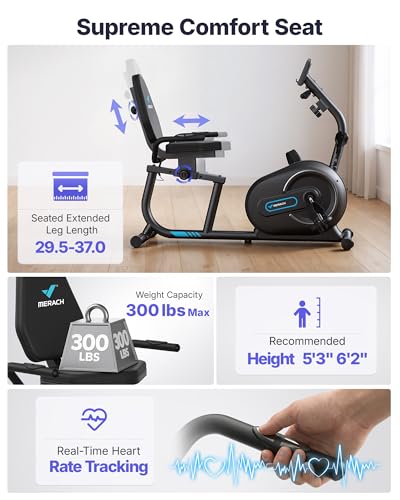





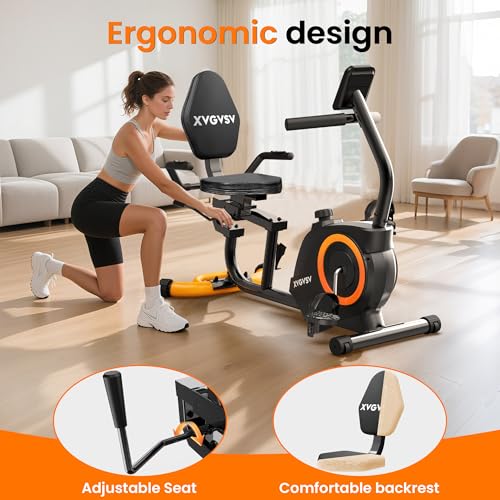


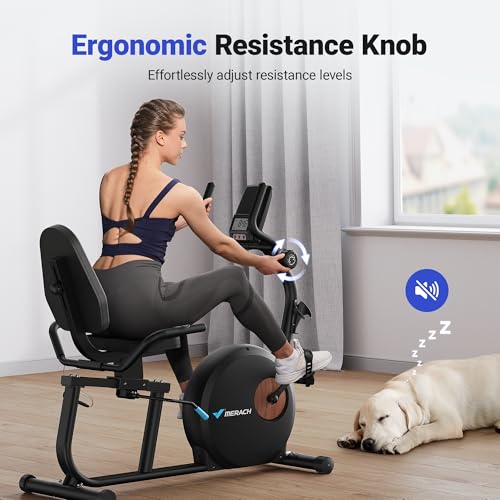


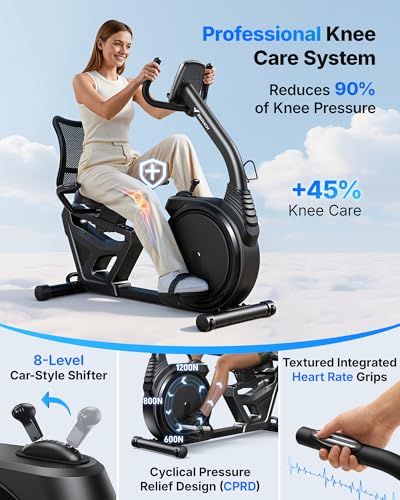



We also considered 10 others:


Our Top Choice
Compare Features


The order above is not editorial opinion, and it is not paid placement. It comes from what shoppers across our network actually do - which recumbent bicycles for seniors they compare, and which they ultimately buy. We re-rank as new data comes in, so the long-term favorites have to keep earning their spot against new entrants. The full method, including how we make money.
Recumbent Bicycles for Seniors Buyer's Guide
For seniors, the best recumbent bike is not simply the one with the most programs or the heaviest frame; it is the one that is easy to mount, stable under slow pedaling, and gentle on knees, hips, and the lower back. Prioritize safe entry and exit, a supportive adjustable seat, quiet low-resistance operation, and controls that can be used without bending, straining, or guessing.
Build
Build quality matters because an exercise bike needs to stay stable under repeated pedaling, resistance changes, and shifts in body position without wobbling, flexing, or developing rattles. Look for a solid frame, well-fitted moving parts, a stable base, and durable contact points like pedals, seat hardware, and adjustment mechanisms. Be cautious of bikes that feel shaky at higher resistance, have loose adjustments, or rely on lightweight materials in areas that take the most stress.
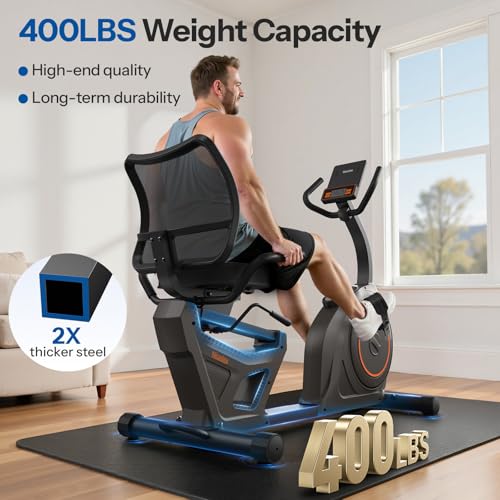
Look first for a low step-through frame, wide stabilizer feet, a weight rating with a comfortable safety margin, and a frame that does not rock when the rider pedals slowly or shifts weight to sit down. For seniors using the bike for rehab or limited-mobility exercise, avoid flimsy folding joints, narrow bases, slick pedals without straps, and seats that wobble on the rail, because instability during mounting is often a bigger risk than instability during hard workouts. Owner feedback supports this priority: buyers repeatedly describe well-liked models as sturdy, stable, smooth, quiet, and dependable for regular home use, including low-impact rehab sessions and use on carpet.
Use
A bike that’s easy to use lets you start, adjust resistance, and track your ride without breaking your rhythm. Look for intuitive controls, a clear display, and adjustments you can make comfortably while riding; watch out for confusing menus, hard-to-reach knobs, or screens that are difficult to read in your workout space.
Choose a bike that is simple to live with every day: easy seat adjustment from the seated position, clearly marked resistance changes, large readable display numbers, reachable handles, and pedals that are easy to strap in without bending too far. Seniors should be wary of bikes that require stepping over a high center bar, leaning forward to reach controls, or using complicated app-only functions, especially if the goal is circulation, post-surgery rehab, or gentle daily movement. Owner reports align with this: buyers often praise smooth, quiet rides, straightforward operation, manageable setup, and recumbent positioning that supports longer or gentler workouts at home.
Comfort
Comfort matters because an exercise bike you can’t sit on comfortably or fit to your body is harder to use consistently. Look for a seat and riding position that suit your preferences, with enough adjustability in the saddle and handlebars to support your height, reach, and posture. Watch out for bikes with limited adjustment range or narrow, overly firm seats, especially if multiple people will use the bike.
Prioritize a wide, padded seat with a real backrest, enough seat travel to preserve a slight knee bend at full pedal extension, and back support that keeps the rider upright without forcing the hips forward. For seniors with arthritis, sciatica, knee replacements, or balance concerns, avoid small saddle-style seats, short adjustment rails, hard backrests, and pedal positions that make the knees come too close to the chest. Owner sentiment strongly reinforces comfort as a deciding factor: buyers value thick seats, supportive backrests, adjustable recumbent setups, and larger seating that makes low-impact or longer sessions feel manageable.
Assembly
Assembly matters because a bike that’s hard to unpack, align, or tighten can delay your first workout and lead to wobbling, noise, or premature wear if parts aren’t installed correctly. Look for clear instructions, well-labeled hardware, manageable component weight, and whether you’ll need a second person or special tools, especially for moving and attaching the frame, stabilizers, console, pedals, and resistance parts.
Before buying, check the delivered weight, whether the frame arrives partly preassembled, whether bolts are pre-positioned, and whether two people are realistically needed to lift or align the main frame. Seniors living alone should favor clear labeling, included tools, transport wheels, and a setup path that does not require holding heavy parts in the air; professional assembly may be worth considering if mobility, grip strength, or back issues are concerns. Owner feedback is encouraging here, with many buyers saying assembly is straightforward, directions are clear, parts are labeled or well packaged, and setup is often easier than expected.
Value
Value matters because an exercise bike should feel worth what you pay not just on day one, but after months of use. Look for a balance of sturdy build, smooth resistance, comfort, adjustability, useful workout features, and dependable support, while watching out for bikes that charge more for flashy screens or extras you will not use. A good value bike fits your training needs and space without forcing you to compromise on the basics that affect every ride.
Judge value by safety and fit first, not by the longest feature list: a stable frame, comfortable adjustable seat, usable resistance range, quiet drive, and readable basic tracking matter more for senior use than flashy programs. Do not save money by accepting a short seat rail, low weight capacity, unstable base, tiny display, or harsh starting resistance, because those compromises can make the bike unusable for rehab or daily low-impact exercise. Owner sentiment suggests good value is achievable when the machine feels solid, comfortable, functional, and not cheap or flimsy, with core features such as adjustable tension and basic tracking working reliably.
Performance
Performance determines whether an exercise bike can give you the kind of workouts that actually match your goals, from steady cardio to challenging intervals. Look for smooth, consistent resistance with enough range to progress over time, and make sure the bike feels stable and natural under effort rather than jerky, vague, or too easy to outgrow.
For senior fitness and rehab, performance should mean smooth startup, very low first resistance, quiet pedaling, predictable resistance increases, and enough range to progress gradually without knee pain. If full-body training is desired, check that moving arms do not force the shoulders forward or compromise balance; if the focus is knee recovery or circulation, a simple smooth pedal stroke may be better than aggressive cardio features. Owners most often praise bikes that ride smoothly and quietly, stay stable during workouts, provide enough resistance to build endurance over time, and support gentle low-impact movement that is easy on the knees.
1,000,000+ shoppers use Buyer's Guide every week to find the best products and services online.

Helping millions of users make smarter purchases online.