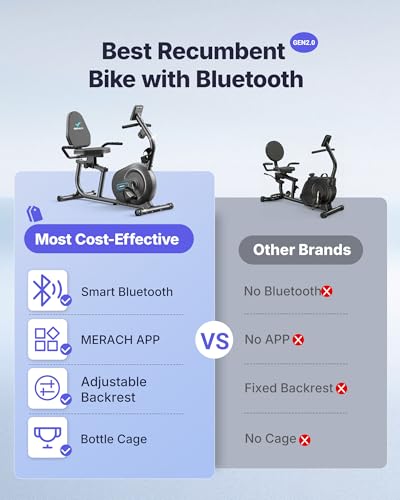
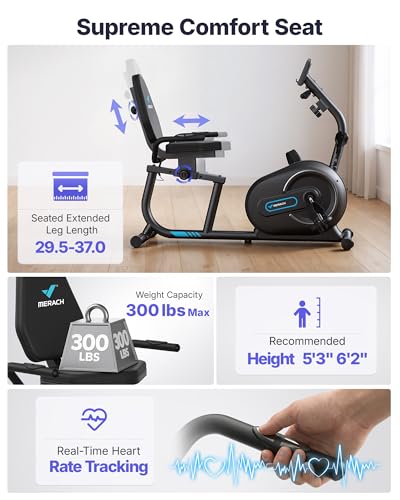
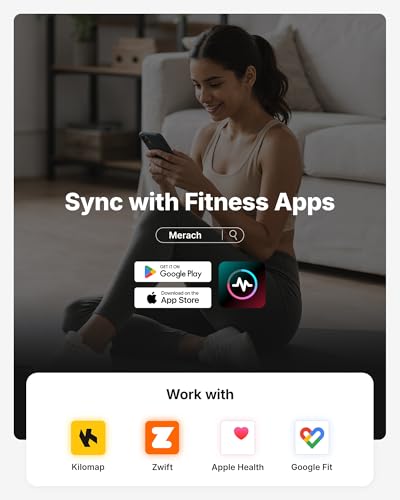
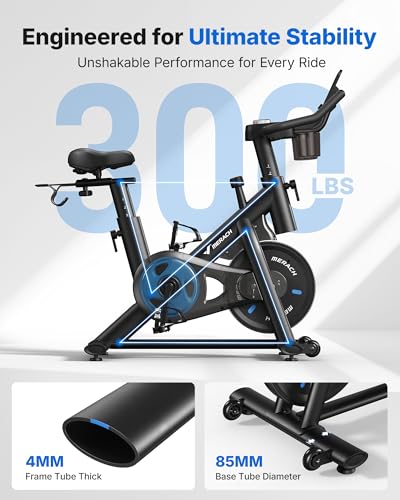
We also considered 10 others:
Our Top Choice
Compare Features
Why These Features Matter:
Exercise bikes are funny objects: part fitness tool, part furniture, part laundry rack that suddenly costs as much as a weekend away. The right one doesn’t just “work.” It behaves. It doesn’t shriek through the floorboards at 6 a.m., doesn’t require a weekly ritual of tightening mysterious bolts, and doesn’t punish you for living in an apartment with exactly one decent outlet.
This guide isn’t about chasing the fanciest screen or the most intimidating flywheel. It’s about the details that decide whether a bike becomes a habit—or becomes the thing guests politely pretend not to notice wedged beside the credenza.
The Ride Feel: Smooth vs. “Why Does This Feel Like A Shopping Cart?”
The difference between a bike you use and a bike you dread is often the ride feel. Not in a poetic way—more in a “knees don’t complain, hips don’t swear at you, and the motion doesn’t feel lumpy” way.
- Smooth, consistent resistance matters more than big numbers. A bike can boast a lot of “levels” and still feel jumpy—like the resistance clicks from “too easy” to “leg day regret” with nothing in between.
- Magnetic resistance tends to feel quieter and more even; friction systems can be fine, but they’re more likely to require tinkering and can develop that faint “belt sander” vibe over time.
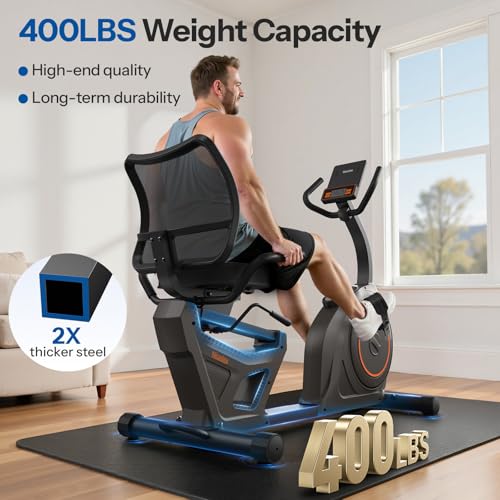
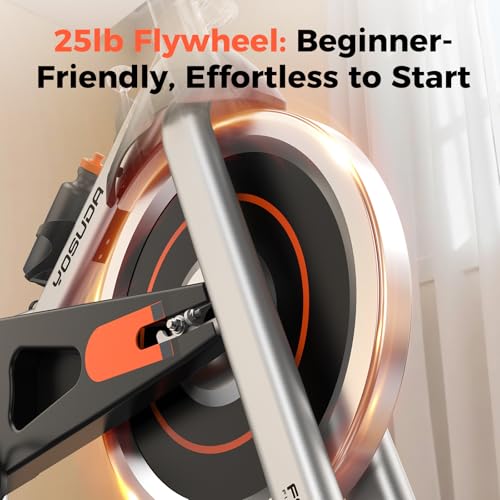
- Heavy enough to stay put is underrated. If a bike shimmies during out-of-the-saddle efforts, it’s not “challenging,” it’s annoying—and it makes the whole thing feel cheaper than it was.
Noise Level: The Real Metric is “Will This Annoy Someone I Live With?”
Most bikes claim they’re quiet. The useful question is how they’re quiet. A low hum is fine; a rhythmic click that syncs perfectly with your pedal stroke is the kind of sound that will haunt a household.
- Listen for: clicking, ticking, belt squeal. Those are the noises people mention in reviews right before they say they “stopped using it.”
- Apartment reality: even a quiet bike can transmit vibration through floors. A thick mat helps, but so does a stable frame that doesn’t rock like a bar stool.
- Household reality: if the bike is going near a sleeping baby, a shared office, or a thin wall, prioritize bikes known for whisper-quiet resistance over bikes known for “solid value.” Value doesn’t soothe an irritated roommate.
Fit & Adjustability: Comfort Is Compliance
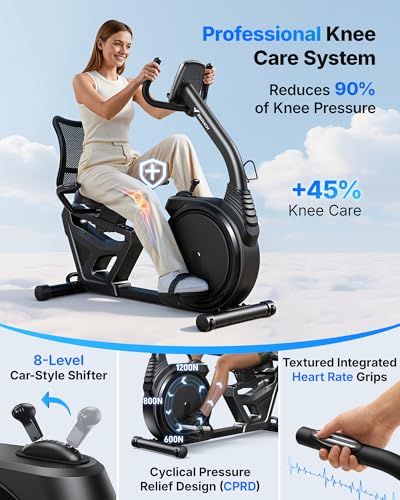
People don’t quit bikes because cardio is hard. They quit because their butt goes numb, their knees feel wrong, or the handlebars force an odd hunched posture that makes every ride feel like a punishment.
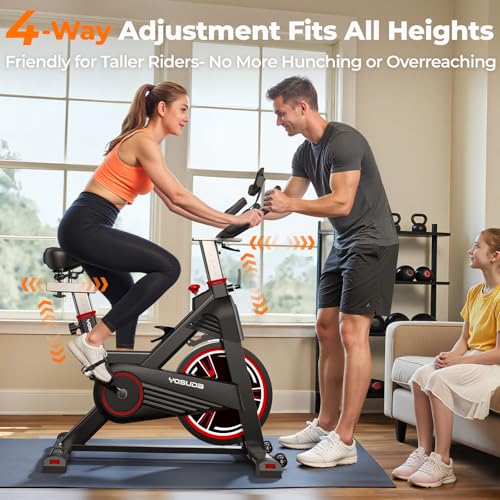
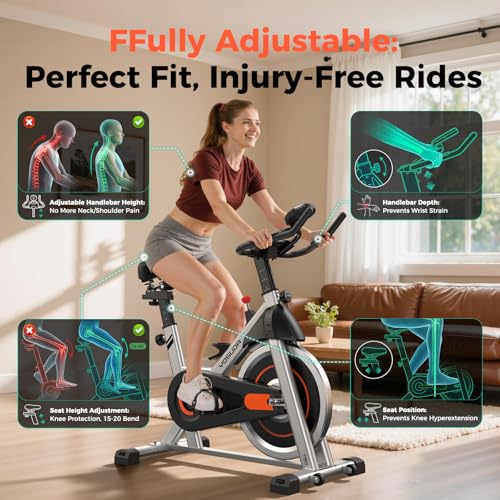
- Seat adjustment range should accommodate real bodies, not just an “average” height. Look for generous up/down and fore/aft adjustments so knees track comfortably over pedals.
- Handlebar positions matter if you’re not training for a triathlon. Multiple grip options help avoid wrist fatigue and that stiff-neck feeling after 20 minutes.
- The saddle is rarely perfect out of the box. Many riders end up adding a cover or swapping the seat entirely. This isn’t a failure; it’s normal. Just make sure the bike uses a standard mount so you’re not trapped with a torture device.
Resistance Controls: Tiny UI Choices That Decide Everything
Resistance is where bikes either feel intuitive—or like they were designed by someone who never actually sweats. The best controls disappear. The worst ones demand attention mid-ride, which is a great way to lose momentum (or patience).
- Knobs vs. buttons: A simple knob can be satisfyingly quick—until it’s overly stiff or oddly loose. Buttons can be precise—until there’s lag or the increments are too dramatic.
- Placement matters. Controls should be reachable without contorting or doing that awkward “one hand off, wobble, re-grip” dance.
- Emergency stop: If a bike encourages high resistance or standing climbs, a clear stop mechanism isn’t melodramatic—it’s sensible.
Screen or No Screen: The Great Distraction Debate
Built-in screens sound helpful until they become the most fragile object in the room, collecting fingerprints like a museum exhibit. Many people ultimately prefer a great bike plus their own tablet or TV situation—because it’s familiar, upgradeable, and less likely to become obsolete when software support quietly evaporates.
- If there’s a screen, it should be bright enough for daylight and adjustable enough that shorter riders aren’t stuck staring at the bike’s stem instead of the metrics.
- If there’s no screen, a sturdy device holder matters. Flimsy trays that wobble under a tablet will make even calm rides feel chaotic.
- Subscription ecosystems: some riders love the structure; others resent paying monthly to access features the bike already physically has. The best experience is one that still feels complete without a membership.
Foot Pedals & Shoes: The Most Ignored Dealbreaker
Feet are where the relationship begins. If the pedals feel insecure or awkward, every ride becomes a low-grade negotiation with your own body.
- Toe cages vs. clip-in: Toe cages are convenient and forgiving. Clip-in feels stable and efficient, but it also means shoe commitment—and the small drama of clipping in and out without looking like a newborn deer.
- Pedal comfort: A pedal that’s too narrow or oddly angled can create hot spots fast. Reviews that mention “numb feet” are worth taking seriously.
- Household sharing: If multiple people will use the bike, mixed pedal options (cage on one side, clip-in on the other) reduce daily friction—literal and emotional.
Stability, Weight, and the Myth of “Easy to Move”
Many bikes claim they’re easy to move because they have transport wheels. That’s technically true, in the same way a sofa is “easy to move” if it has felt pads. Wheels help, but weight, balance, and doorway geometry still run the show.
- Transport wheels should roll smoothly and feel balanced. Some bikes tilt and fight back, as if offended you’re rearranging the room.
- Footprint: Measure the space you’ll actually use, not the space you wish you had. Remember clearance behind the seat for getting on and off without performing a small gymnastics routine.
- Storage reality: If the bike has to be moved every time, it will be used less. The “tuck-away lifestyle” sounds aspirational until you’re doing it in socks on a Tuesday.
Setup, Maintenance, and the Quiet Ongoing Cost of Ownership
The best bike is the one that doesn’t ask for attention. Unfortunately, some models treat “ownership” as an ongoing relationship with an Allen key.
- Assembly: A truly manageable setup has clear labeling, sensible instructions, and hardware that isn’t stripped straight out of the box. If reviewers mention needing a second person just to keep it steady, believe them.
- Maintenance: Friction systems can require adjustments; belts can need tensioning; bolts can loosen. If “tighten regularly” shows up frequently in owner reviews, plan for that reality.
- Customer support: It matters more than people want to admit—especially for heavy items. A bike is not something you casually ship back after a bad day.
Small Comforts That Make a Bike Feel Livable
These are not heroic features, but they’re the things that make the bike fit into a real home instead of feeling like gym equipment that wandered in and never left.
- Water bottle placement that doesn’t require a shoulder dislocation mid-ride.
- A fan that’s actually felt (many built-ins are more “gentle suggestion of breeze”).
- Easy-to-wipe surfaces because sweat finds seams, textures, and crevices with a kind of purpose.
- Sturdy phone/tablet tray that doesn’t rattle—rattling turns into irritation faster than anyone expects.
Honest Caveats: What Even Great Bikes Can’t Fix
- The seat may still be a problem. Even expensive bikes can ship with saddles that feel like a narrow punishment. Budget for a swap if you’re sensitive.
- Big screens age quickly. Hardware lives longer than software. If the bike’s charm hinges on an interface, make sure you’d still like it if the UI stopped improving.
- “Quiet” isn’t silent. If you need truly stealth workouts, you’ll still want a mat, careful placement, and realistic expectations about older floors.
- Space is a tax. Even a compact bike occupies visual real estate. In a calm, design-forward home, it will either blend in elegantly—or become the first thing you notice every morning.
How to Choose the Right Type for Your Life
- If motivation comes from structure: look for bikes with easy access to guided classes and smooth resistance changes. The less fiddling required, the more likely it is you’ll actually follow along.
- If workouts happen during calls or TV: prioritize comfort, quiet, and a stable device setup. The bike should fade into the background, not audition for attention.
- If multiple people will use it: quick adjustability wins. Seats that slide easily and handlebars that don’t require tools reduce daily friction and “who changed my settings?” resentment.
- If you’re tight on space: focus on footprint and ease of moving in practice. Lightweight can be convenient, but too-light can feel flimsy. Stable usually means heavier. Pick your compromise knowingly.
The Bottom Line
The best exercise bike isn’t the one with the loudest features. It’s the one that fits into a Tuesday: quiet enough to coexist, comfortable enough to repeat, simple enough to start without negotiating with your own willpower. Look for a ride that feels smooth, controls that don’t demand attention, and a frame that stays planted. Then accept one small imperfection—because the only flawless exercise bike is the one that never leaves the showroom floor.