


- Power Source: Solar-compatible battery
- Output Power Wattage: 7200 peak, 3600 running
- Run Time: Up to 36 hours
- Outlets: 4x AC, 2x USB, 2x USB-C, TT-30R RV, 12V car
- Parallel Capable: No





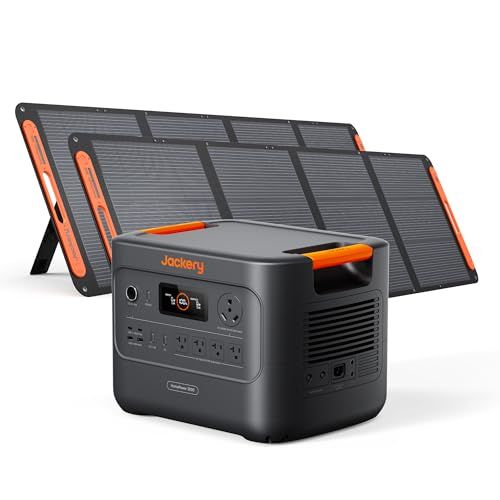
Jackery HomePower 3000 Portable Power Station
Overview and real-world performance

The Jackery HomePower 3000 Portable Power Station is built for people who want serious backup power without stepping into the complexity of a permanently installed home battery. In practice, it sits in a sweet spot between smaller “camping” power stations and full home energy systems: large enough to run essential household devices for meaningful stretches of time, yet still designed to be portable and user-friendly. It’s the kind of unit that makes the most sense for outage readiness, off-grid work, RV life, and anyone who wants a flexible power reserve that can move from garage to cabin to campsite.
Day to day, what stands out most is the convenience of having a big, self-contained battery with multiple output options for common appliances and electronics. For short outages, it can keep key devices running with minimal fuss. For longer disruptions, it becomes a “power management” tool: you decide which loads matter most, prioritize efficient appliances, and recharge when the grid returns or when solar is available. The overall experience tends to be less about one dramatic feature and more about how reliably it integrates into your routines, whether that means keeping a refrigerator stable, powering a router and lights, or running tools in a remote workspace.
As with any high-capacity power station, performance is closely tied to what you plug in and how you use it. Low-draw electronics such as phones, laptops, network gear, fans, and LED lights are typically easy wins and can run for a long time. High-draw items like space heaters, air conditioners, kettles, and some power tools can be supported depending on the unit’s output capability, but they will drain the battery much faster. The most satisfying use cases usually come from pairing the HomePower 3000 with efficient loads or using heavy appliances in short bursts rather than continuously.
What to consider before buying (and what matters most)
The most important factor to consider before purchasing the Jackery HomePower 3000 Portable Power Station is whether its capacity and output match your actual needs. Capacity determines how long you can run things, while output determines what you can run at all. A large battery is less helpful if your must-have appliance needs more surge or continuous wattage than the inverter can provide. Conversely, a very strong inverter can still leave you disappointed if the battery capacity is too small for your desired runtime. Before buying, it’s worth listing your critical devices, checking their wattage, and estimating how many hours you need them to operate during an outage or off-grid period.
Next in importance is charging strategy. A portable power station is only as useful as your ability to refill it. If you plan to rely on it for emergency preparedness, ask yourself how you’ll recharge if the grid is down for multiple days. If you can recharge from solar panels in good sun or from a vehicle or generator when needed, the system becomes far more resilient. If your plan is “I’ll just charge it from the wall,” it can still be excellent for short outages, but its usefulness drops in extended events.
Portability is another key factor, and it’s more nuanced than simply “can you lift it.” High-capacity stations are inherently heavy, so consider where it will live and how often you’ll move it. If it’s mostly for home backup, rolling it from a closet to the kitchen during an outage might be fine. If you intend to load it into a vehicle regularly for work sites or travel, the size and weight become more critical. Also consider how accessible the handles are, whether it fits in your storage space, and whether you can safely move it solo.
Outlet selection and power distribution can determine whether the HomePower 3000 feels effortless or annoying. Think about how many AC outlets you need at once, whether you need high-wattage AC for appliances, and how many USB ports you want for phones, tablets, cameras, and battery chargers. If you anticipate powering a mix of devices, having enough ports reduces the need for extra power strips and adapters. It’s also worth thinking about where the unit will be positioned; if it will sit in a garage or a hallway during an outage, you may want longer cords or a plan for cable management.
Battery longevity and warranty support also matter, especially at this price and capacity class. Portable power stations are long-term purchases for many households, and you want confidence that the battery management system, thermal design, and manufacturer support will hold up over years of use. If you expect frequent cycling for solar use or regular off-grid trips, battery cycle life becomes a bigger deal than if you only plan occasional emergency use. It’s wise to review warranty terms and consider how service works if you’re far from a service center.
Noise and indoor usability are often overlooked, but they can be decisive. Unlike gas generators, power stations are typically quiet, but fans can ramp under high load or during fast charging. If you plan to run it in a bedroom, nursery, or office during an outage, fan behavior can affect comfort. You should also consider where you’ll place it to ensure good ventilation and safe operation, especially if you’ll be drawing a lot of power for long periods.
If you had to prioritize, matching capacity and output to your critical loads is the top concern, followed closely by recharge options. Everything else is secondary, but the “secondary” details are what determine daily satisfaction: portability, ports, user interface clarity, and support.
Common Questions
Can the Jackery HomePower 3000 Portable Power Station run a refrigerator during a power outage? Yes, in many cases it can, as long as the refrigerator’s startup surge and running wattage are within the unit’s inverter limits. The runtime will depend on how efficient the refrigerator is, how often the compressor cycles, and how full the battery is. For best results, keep the fridge closed as much as possible and avoid adding warm food during an outage.
Is it a good replacement for a gas generator? It can be, depending on your expectations. For quiet, indoor-safe backup power for essentials, it’s often a better experience than a generator. For running very large loads continuously or for indefinite multi-day outages without a robust solar setup, a gas generator may still be more practical. Many households find the best solution is using a power station for overnight and indoor needs, and a generator only if extended recharging is required.
How do I figure out what I can power with it? Add up the wattage of the devices you want to run at the same time and compare that total to the power station’s continuous output rating. Then estimate runtime by considering battery capacity and typical device usage patterns. If you’re unsure, start with your highest-priority items such as internet equipment, lights, medical devices, and refrigeration, then add non-essentials if you have margin.
Does it work well with solar panels? Yes, it’s commonly used with solar for off-grid and emergency recharging, but the effectiveness depends on panel wattage, sunlight conditions, and how quickly you need to recharge. Solar is most valuable when you treat the system as a daily routine: recharge during peak sun, use power strategically at night, and reduce wasteful loads.
Is it safe to use indoors? Portable power stations are generally designed for indoor use because they don’t produce exhaust like combustion generators. You should still follow the manufacturer’s guidance on ventilation, keep it away from heat sources and moisture, and avoid overloading outlets. If you’re powering sensitive electronics, using the station’s built-in protections and keeping loads within spec helps maintain safe, stable operation.
Overall, the Jackery HomePower 3000 Portable Power Station is a compelling choice for buyers who want substantial backup power in a flexible, portable format. The best outcomes come from planning: know your critical loads, understand your recharge path, and set realistic expectations about what a battery system can do compared with fuel-based generation. If those pieces line up, it can provide a reassuring, quiet, and genuinely useful layer of energy independence.