


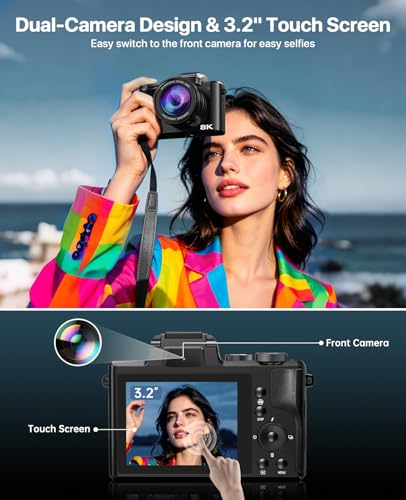







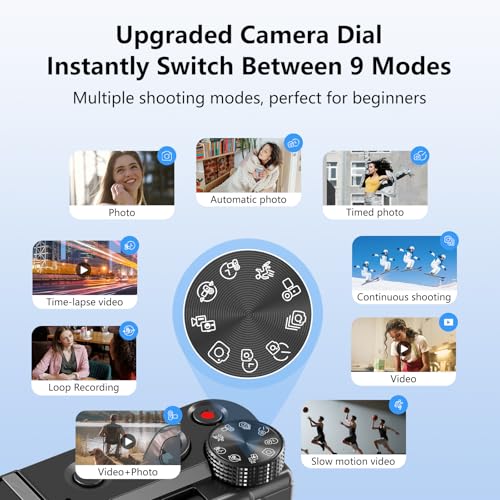


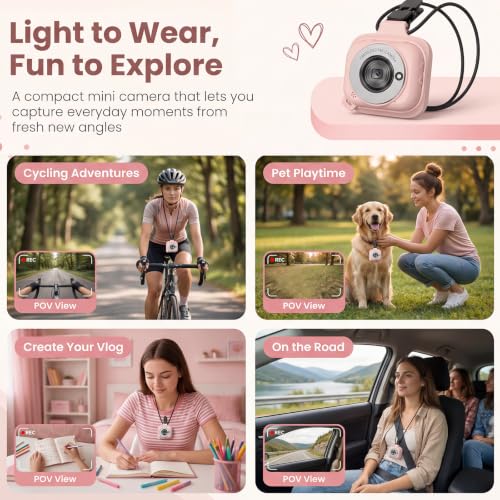


We also considered 10 others:




Our Top Choice
Compare Features


The order above is not editorial opinion, and it is not paid placement. It comes from what shoppers across our network actually do - which photography cameras they compare, and which they ultimately buy. We re-rank as new data comes in, so the long-term favorites have to keep earning their spot against new entrants. The full method, including how we make money.
Photography Cameras Buyer's Guide
Buying a photography camera is a tradeoff between image quality, portability, controls, and the larger lens/accessory system you are committing to. The sharpest concerns are whether the camera can handle your actual subjects—low light, motion, portraits, travel, video, or products—and whether the bundle’s lenses, batteries, memory, and ports are genuinely usable rather than just impressive on paper.
Image
Image quality determines how sharp, detailed, and natural your photos look, especially when you crop, print, or shoot in challenging light. Look for a camera that delivers accurate color, clean detail, and consistent results across different scenes, not just impressive-looking sample shots in ideal conditions. Also watch for overprocessed images that appear too smooth, too contrasty, or unnaturally saturated.
Prioritize the imaging pipeline over headline megapixels: check sensor size, lens quality, optical zoom range, RAW support, stabilization, autofocus coverage, and high-ISO sample images for the way you shoot. For landscapes, look for dynamic range and clean detail in shadows; for portraits, check skin tones and lens options for background blur; for sports or kids, prioritize autofocus tracking and burst rate; for product shots, look for accurate color, manual white balance, and close-focus ability. Owner feedback supports that image quality is often the main satisfaction driver in this category, with buyers praising crisp, bright, colorful photos and clear video, especially in good lighting and in beginner-friendly setups.
Quality
A digital camera’s quality and reliability matter because you’re trusting it to perform consistently when a shot can’t be repeated. Look for solid build, dependable autofocus and exposure, durable controls, good battery and card performance, and a reputation for stable operation over long-term use. Watch out for cameras that feel flimsy, overheat easily, freeze or lag, or have user reports of recurring mechanical or software issues.
Judge build quality by the parts that affect long-term shooting: lens mount solidity, zoom mechanism smoothness, button/dial feel, tripod socket strength, port covers, screen hinge durability, and whether the sensor, lens, and viewfinder arrive clean and aligned. If buying a renewed or bundled camera, verify shutter count where applicable, return policy, battery health, missing caps, scratched glass, and whether included accessories are compatible rather than generic filler. Owners often describe starter cameras and renewed kits as solid and approachable, with many reporting clear photos, beginner-friendly operation, and like-new overall condition, but careful inspection still matters because camera failures can hide in optics, ports, and mechanical parts.
Usability
You’ll get more out of a digital camera if it feels easy to pick up, set up, and adjust without constantly digging through confusing menus. Look for clear controls, helpful automatic modes, and simple playback or sharing steps, especially if the camera is for a beginner or kid. Watch out for models with tiny buttons, cluttered interfaces, or too many advanced settings if you want photography to feel fun rather than frustrating.
Match the camera’s controls to how much you want to learn: a beginner should look for reliable auto mode, scene modes, touchscreen focus, clear menus, diopter adjustment, and an easy way to transfer photos, while a learner should also demand manual exposure, exposure compensation, focus modes, and a comfortable grip. Check whether the camera is truly pocketable or merely “compact,” whether the viewfinder is usable in bright sun, and whether changing settings requires diving through menus. Owner sentiment strongly supports that many shoppers value cameras that are straightforward, lightweight, and beginner-friendly while still leaving room to learn settings.
Value
Value for money matters because a digital camera should justify its cost with the features, image quality, handling, and reliability you’ll actually use. Look beyond the body price and consider what’s included or required, such as lenses, batteries, storage, and accessories, while watching out for cameras that add flashy specs but compromise on core performance or usability.
Evaluate value by the complete system, not just the camera body: compatible lenses, memory cards with adequate speed, spare batteries, charger, strap, case, microphone needs, and future upgrade path can change the real cost and usefulness. Be cautious with bundles that inflate value using low-quality tripods, filters, or off-brand accessories; useful extras are the ones you would otherwise buy immediately, such as a correct-speed card, spare battery, protective bag, or a lens that fits your actual shooting needs. Owners frequently see strong value in starter kits that include practical lenses, batteries, memory cards, and essential accessories, particularly for casual photography, travel, vlogging, and beginner content creation.
Features
Features matter because they determine how well a digital camera fits the way you actually shoot, from built-in modes and connectivity to accessory support, lens options, and rugged or waterproof construction. Look for useful functions you’ll rely on often, not just long spec lists, and make sure the camera’s controls, size, styling, and expandability suit your skill level and typical subjects.
Choose features based on the shots you cannot miss: optical image stabilization for handheld travel, fast and accurate autofocus for movement, articulating screen for vlogging or low angles, microphone input for serious video, hot shoe for flash, RAW capture for editing, optical zoom instead of digital zoom, and lens interchangeability if you plan to grow. For video, verify whether 4K is real and usable, whether autofocus works during recording, whether recording time or overheating limits apply, and whether audio can be monitored or improved. Owner feedback shows shoppers appreciate kits that feel ready out of the box, include extra lenses or recording accessories, and provide dependable functions with simple controls, but the best feature set is the one tied to your actual subject matter.
Battery
Battery life matters because it determines how long you can shoot without stopping to recharge or swap batteries, especially during travel, events, or long days outdoors. Look for a camera that matches your shooting style, and remember that video recording, continuous autofocus, bright screens, wireless features, and cold weather can drain power faster than casual still photography. Also consider how it charges, including USB charging support and recharge speed, so you know whether you can top it up easily between sessions.
Check real shooting endurance for your use case: stills shooters need enough rated shots for a full outing, while video, Wi-Fi transfer, flash, cold weather, and bright LCD use can drain batteries much faster. Prefer cameras with removable batteries, an included external charger or USB-C charging that works while traveling, and easy availability of safe replacement batteries; avoid relying on one proprietary cell for trips, events, or paid work. Owners often praise cameras that include spare batteries, chargers, and memory cards because they feel ready to use immediately and stay practical for travel, video, and longer shooting days.
1,000,000+ shoppers use Buyer's Guide every week to find the best products and services online.

Helping millions of users make smarter purchases online.


