



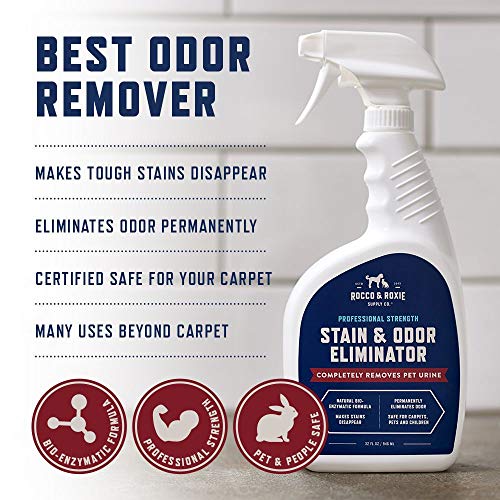


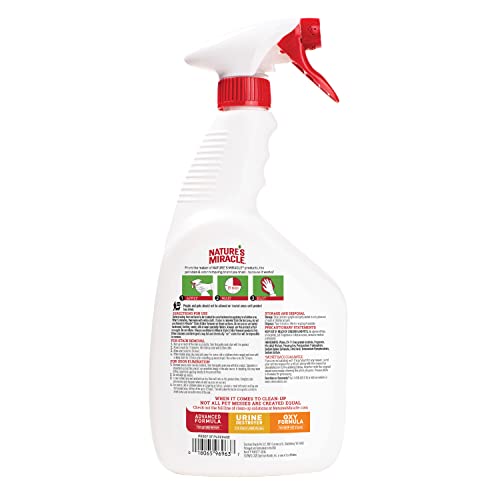


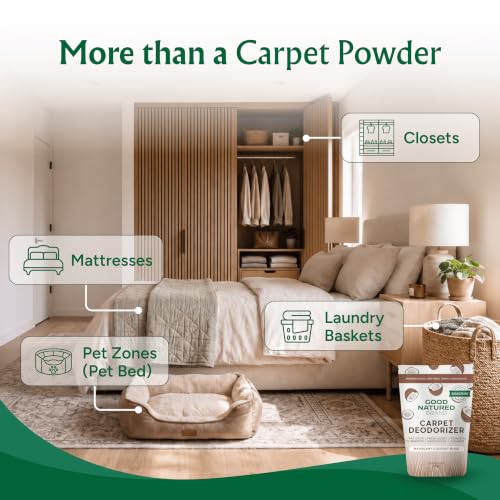
We also considered 10 others:


Our Top Choice
Compare Features


The order above is not editorial opinion, and it is not paid placement. It comes from what shoppers across our network actually do - which pet odor removers they compare, and which they ultimately buy. We re-rank as new data comes in, so the long-term favorites have to keep earning their spot against new entrants. The full method, including how we make money.
Pet Odor Removers Buyer's Guide
Pet odor removers have to do two jobs that often conflict: break down urine, feces, vomit, wet-dog, and litter-box odors at the source while staying safe for the specific surface and pets in the home. The biggest buying mistakes are choosing a fragrance-heavy spray that only masks cat or dog urine, or buying too little product to fully saturate deep carpet padding, bedding, cushions, or repeat marking spots.
Odor
Strong odor removal matters because urine smells can linger even after a surface looks clean, and pets may return to the same spot if the odor is not fully neutralized. Look for a remover that targets urine and pet odor at the source rather than just masking the smell with fragrance, and be cautious with heavily perfumed formulas that can leave behind a new odor without solving the problem.
For real pet odor control, prioritize a remover that neutralizes organic odor at the source, especially urine and cat pee, rather than one that mainly perfumes the room. Deep-set accidents usually need the area fully saturated and left for enough dwell time to dry, so avoid products that promise only a quick surface mist for carpet padding, mattresses, couches, or litter-box accidents. Owner feedback supports this distinction: shoppers most often praise removers that make pet urine, poop, wet-dog, cat-litter, and severe cat or dog smells disappear, often with a clean finish rather than an overpowering scent. Buyers also report the best results on difficult urine when they soak the area properly and let the treatment work long enough.
Effectiveness
You want a urine remover that actually breaks down and lifts the mess, not just masks the smell or leaves residue behind. Look for strong cleaning performance on the surfaces you need to treat, especially fabrics, carpets, grout, or hard floors, and watch for formulas that struggle with older stains or require repeated applications to get the area truly clean.
Match the formula to the mess: enzyme-style cleaners are best suited to urine, feces, vomit, marking, and other organic residues, while pet laundry formulas are better for beds, pee pads, towels, blankets, and washable rugs. For old cat urine or repeated marking, expect to treat beyond the visible spot and repeat if the odor has reached padding or fabric backing; avoid relying on general disinfectants, fabric sprays, or home remedies if the smell has survived previous cleaning. Owner sentiment backs this up, with many buyers describing strong results on dog and cat urine that other cleaners failed to solve, including furniture and accident areas they were nearly ready to discard. Fresh or moderate spots are often reported to improve after one use, while stronger set-in odors tend to improve with repeat applications.
Value
You want a urine remover that fits your budget but also gives you enough product to treat repeated accidents, not just one or two spots. Compare bottle size, dilution or coverage claims, and how much you typically need per stain, because a cheaper option may run out faster if it requires heavy soaking or multiple applications. Also watch for value packs or concentrates that offer better longevity, as long as they still match the surfaces and odor problems you need to handle.
Judge value by cost per fully treated accident, not by bottle size alone: pet urine often requires saturation, repeat treatment, and enough volume to reach carpet pad, seams, cushions, or washable bedding. Concentrates, refill sizes, or formulas that use small laundry doses can be good buys, but weak sprayers, leaky packaging, or products that require many heavy reapplications can erase the savings. Owner feedback is strongest where a cleaner prevents repeated trial-and-error purchases or helps avoid professional carpet cleaning. However, sentiment is mixed for stubborn urine, smoke, perfume, or musty odors that need repeated heavy applications and still may only improve, and some buyers note packaging frustrations that hurt perceived value.
Application
How a urine remover applies affects both cleanup speed and whether the solution reaches the source of the odor. Look for a sprayer that delivers even coverage without clogging, excessive foaming, leaking, or soaking more area than needed, and consider whether the formula requires mixing or has a long drying time. If the bottle feels flimsy or the spray pattern is inconsistent, you may waste product or miss deeper spots in carpet, upholstery, or grout.
Look for instructions that fit the surface you actually need to treat: spray-soak-blot for carpet and upholstery, washable dosing for beds and pads, and clear guidance for mattresses, hardwood, tile, rugs, and cushions. For urine, the product must be easy to apply heavily enough to reach the full contaminated area; a fine mist alone is rarely enough for soaked carpet padding or couch foam. Also check for a durable trigger, easy unlock mechanism, and pet-safe use directions, and spot-test delicate fabrics or finished wood before broad application. Owners generally like cleaners that fit into daily puppy, senior-dog, or cat accident routines with a simple spray-soak-clean process and little scrubbing, but broken or hard-to-use sprayers are a recurring complaint.
Scent
A urine remover’s scent matters because it can either leave the area feeling genuinely fresh or simply mask the odor with a strong fragrance. Look for a scent you can tolerate in the spaces you use most, and watch out for formulas that linger too long or become overpowering, especially on fabrics, carpets, or in small rooms. Good dissipation is key: the cleaner should help the urine smell disappear without replacing it with a perfume that hangs around.
Choose scent carefully: the goal is no urine smell after drying, not a strong fragrance layered over ammonia. For cats, small rooms, birds, sensitive pets, or allergy-prone households, avoid harsh perfume-heavy or essential-oil-heavy formulas unless the label clearly supports safe use as directed and you can ventilate during drying. Light citrus or clean scents can be pleasant, but they should fade rather than linger aggressively. Owner feedback consistently favors products that remove pet smells instead of masking them, with many buyers appreciating fresh orange-citrus or clean scents that start noticeable but dry down without a chemical or fake-perfume feel.
Stains
Urine removers need to do more than neutralize odor—they should also lift visible staining and leave the surface looking clean. Look for options suited to the material you’re treating, and watch for formulas that can leave sticky residue, discoloration, or a dull finish, especially on carpets, upholstery, wood, or stone.
If visible staining matters, verify that the remover is labeled for both odor and stain treatment on your specific surface: carpet, upholstery, bedding, tile, wood, washable pads, or rugs. Urine, vomit, muddy paws, and old yellow accident marks may need different dwell times, repeat treatment, and colorfast testing; avoid heat-setting stains with steam or a dryer before the odor and residue are fully removed. Be cautious with bleach or ammonia-based cleaners around urine, since they can worsen fumes or confuse repeat marking behavior. Owner reports are encouraging for pet stains when the area is properly treated, with strong results on dried puppy urine, dirty paw marks, cat vomit, carpet accidents, bedding, upholstery, tile, wood, and washable pet items.
1,000,000+ shoppers use Buyer's Guide every week to find the best products and services online.

Helping millions of users make smarter purchases online.


