

- Monitors: Online activity, online gaming, app usage, screen time, online chatting (voice and text)
- Alerts: AI chat app alerts, cyberbullying & predator alerts, online usage, personal info requests, mental health alerts, and more
- Stages: Kids, preteens, teens up to age 18
- Time Limits: Yes
- Devices: iOS and Android devices. Safe Gaming available on Windows PC
- Free Trial: Not available

- Monitors: Online activity, online gaming, app usage, screen time, online chatting (voice and text)
- Alerts: AI chat app alerts, cyberbullying & predator alerts, online usage, personal info requests, mental health alerts, and more
- Stages: Kids, preteens, teens up to age 18
- Time Limits: Yes
- Devices: iOS and Android devices. Safe Gaming available on Windows PC
- Free Trial: Not available

- Monitors: Texts, emails, YouTube, 30+ apps, photos, screen time, web use
- Alerts: Dangers like bullying, predators, depression, sexting & more
- Stages: Kids, preteens, teens
- Time Limits: Yes, custom schedules, remote locking, and app-level rules
- Devices: Android, iPhone, iPad, Chromebook, Kindle Fire — plus Bark Phone & Watch
- Free Trial: Yes, 7-day free trial

- Monitors: Texts, emails, YouTube, 30+ apps, photos, screen time, web use
- Alerts: Dangers like bullying, predators, depression, sexting & more
- Stages: Kids, preteens, teens
- Time Limits: Yes, custom schedules, remote locking, and app-level rules
- Devices: Android, iPhone, iPad, Chromebook, Kindle Fire — plus Bark Phone & Watch
- Free Trial: Yes, 7-day free trial

- Monitors: Browsing history, YouTube views, app usage, social media use, location, calls, messages, and more
- Alerts: Cyberbullying, explicit content, and predatory behaviour on SMS, web browsing, Whatsapp, Instagram, and Line
- Stages: Kids, preteens, teens
- Time Limits: Yes
- Devices: Windows, Mac, iOS, Android, Chromebook, Kindle
- Free Trial: Yes, 30-day free trial

- Monitors: Browsing history, YouTube views, app usage, social media use, location, calls, messages, and more
- Alerts: Cyberbullying, explicit content, and predatory behaviour on SMS, web browsing, Whatsapp, Instagram, and Line
- Stages: Kids, preteens, teens
- Time Limits: Yes
- Devices: Windows, Mac, iOS, Android, Chromebook, Kindle
- Free Trial: Yes, 30-day free trial

- Monitors: View child’s search terms, videos watched, age-appropriate content, screen time, location
- Alerts: Internet usage, search terms, app downloads and installs
- Stages: Kids, preteens, teens
- Time Limits: Yes
- Devices: Windows PC, Android, or iOS
- Free Trial: Yes, 7-day free trial

- Monitors: View child’s search terms, videos watched, age-appropriate content, screen time, location
- Alerts: Internet usage, search terms, app downloads and installs
- Stages: Kids, preteens, teens
- Time Limits: Yes
- Devices: Windows PC, Android, or iOS
- Free Trial: Yes, 7-day free trial

- Monitors: App and game downloads, social media history, time spent online, inappropropriate content
- Alerts: Geolocation, device tracking, panic button for emergencies, usage reports
- Stages: Kids, preteens, teens, elderly
- Time Limits: Yes
- Devices: Windows, Mac, Android, and iOS
- Free Trial: yes, 30-day free trial

- Monitors: App and game downloads, social media history, time spent online, inappropropriate content
- Alerts: Geolocation, device tracking, panic button for emergencies, usage reports
- Stages: Kids, preteens, teens, elderly
- Time Limits: Yes
- Devices: Windows, Mac, Android, and iOS
- Free Trial: yes, 30-day free trial

- Monitors: Phone calls, texting, location, and contacts
- Alerts: High-risk content including grooming, sexual content, bullying, location, call/text logs
- Stages: Kids, preteens, teens
- Time Limits: Yes
- Devices: Gabb Phone 4, 4P, and Watch 3E
- Free Trial: No, but 30-day return guarantee is available

- Monitors: Phone calls, texting, location, and contacts
- Alerts: High-risk content including grooming, sexual content, bullying, location, call/text logs
- Stages: Kids, preteens, teens
- Time Limits: Yes
- Devices: Gabb Phone 4, 4P, and Watch 3E
- Free Trial: No, but 30-day return guarantee is available

- Monitors: Screen time, online activity, website blocking, location, app monitoring, content filters
- Alerts: Location alerts, blocked app access alerts, time limit alerts
- Stages: Kids, preteen, teen
- Time Limits: Yes
- Devices: Android, iPhone, iPad, Windows PC
- Free Trial: 30-day money-back guarantee offered

- Monitors: Screen time, online activity, website blocking, location, app monitoring, content filters
- Alerts: Location alerts, blocked app access alerts, time limit alerts
- Stages: Kids, preteen, teen
- Time Limits: Yes
- Devices: Android, iPhone, iPad, Windows PC
- Free Trial: 30-day money-back guarantee offered

- Monitors: Social media, SMS, iMessage, screen time, location, keystrokes, calls, photos, videos, browsing history
- Alerts: Set alerts based on trigger keywords
- Stages: Kids, preteens, teens
- Time Limits: No
- Devices: Android, iPhone, iPad
- Free Trial: Not available
.jpeg)
- Monitors: Social media, SMS, iMessage, screen time, location, keystrokes, calls, photos, videos, browsing history
- Alerts: Set alerts based on trigger keywords
- Stages: Kids, preteens, teens
- Time Limits: No
- Devices: Android, iPhone, iPad
- Free Trial: Not available

- Monitors: Monitors and manages apps, contacts, screen time, location, texts, and web browsing
- Alerts: Potentially harmful content, such as explicit texts, images, emojis, call logs, text monitoring, real-time alerts
- Stages: Ages 7-13
- Time Limits: Yes, limits can be set for general phone usage, calling, texting, web browsing, and individual apps
- Devices: Android
- Free Trial: No

- Monitors: Monitors and manages apps, contacts, screen time, location, texts, and web browsing
- Alerts: Potentially harmful content, such as explicit texts, images, emojis, call logs, text monitoring, real-time alerts
- Stages: Ages 7-13
- Time Limits: Yes, limits can be set for general phone usage, calling, texting, web browsing, and individual apps
- Devices: Android
- Free Trial: No
.png)
- Monitors: Text and call history, location, screentime, contacts
- Alerts: Location alerts, text, call, and app notifications
- Stages: Kids, preteen, teen
- Time Limits: Yes, parents can set time limits for phone use, manage app access, and communication with contacts
- Devices: Pinwheel phones and smartwatches
- Free Trial: Yes, 30-day free trial

- Monitors: Text and call history, location, screentime, contacts
- Alerts: Location alerts, text, call, and app notifications
- Stages: Kids, preteen, teen
- Time Limits: Yes, parents can set time limits for phone use, manage app access, and communication with contacts
- Devices: Pinwheel phones and smartwatches
- Free Trial: Yes, 30-day free trial
We also considered 3 others:


.png)

Our Top Choice
- Monitors: Online activity, online gaming, app usage, screen time, online chatting (voice and text)
- Alerts: AI chat app alerts, cyberbullying & predator alerts, online usage, personal info requests, mental health alerts, and more
- Stages: Kids, preteens, teens up to age 18
- Time Limits: Yes
- Devices: iOS and Android devices. Safe Gaming available on Windows PC
- Free Trial: Not available
- Monitors: Online activity, online gaming, app usage, screen time, online chatting (voice and text)
- Alerts: AI chat app alerts, cyberbullying & predator alerts, online usage, personal info requests, mental health alerts, and more
- Stages: Kids, preteens, teens up to age 18
- Time Limits: Yes
- Devices: iOS and Android devices. Safe Gaming available on Windows PC
- Free Trial: Not available
Compare Features

.png)


.png)
Why These Features Matter:
Parental control apps are less about “locking things down” and more about not losing your mind at 9:47 p.m. when you realize your kid is somehow watching 40 minutes of slime videos in bed, on a school night, with the brightness set to “interrogation lamp.” The best ones don’t just block; they smooth out the daily friction: the negotiations, the forgotten chargers, the “I swear I didn’t know it was past bedtime,” the wildly different maturity levels between siblings who share a Wi‑Fi password.
A good parental control app should feel like a quiet household system you set up once, then tweak lightly—like a shoe bench that actually gets used. A bad one feels like another part-time job, except your boss is a tiny person with excellent Wi‑Fi instincts.
The Features That Actually Make a Parental Control App Worth Living With
You can get lost in feature lists (many apps would love you to), but the stuff that matters is the stuff you’ll use on a Tuesday. Here’s what separates “helpful household tool” from “uninstalled in a week.”
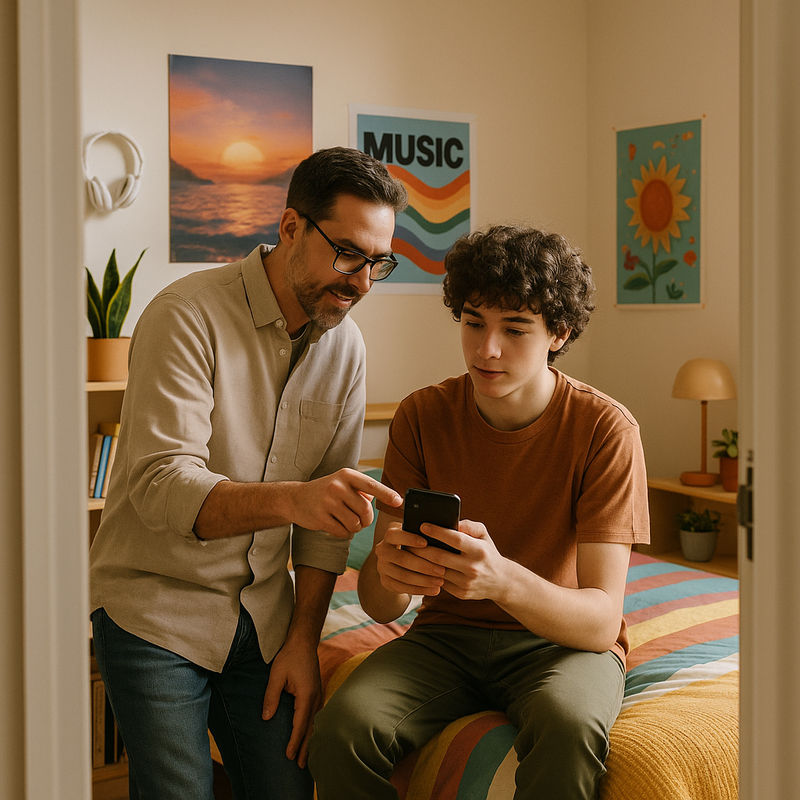
1) Scheduling That Matches Real Life (Not a Perfect Spreadsheet Life)
Schedules are the backbone. But the good apps understand that your week isn’t one neat block of “homework time” followed by “family time” followed by “reading by candlelight.” It’s pickup running late, a dentist appointment, a rainy day meltdown, then suddenly: screens, please, for the love of peace.
- What to look for: Separate schedules for weekdays/weekends, bedtime locks, school-time restrictions, and quick “pause/resume” buttons.
- Why it matters: If it takes six taps to extend screen time by 15 minutes, you’ll start making exceptions in your head instead of in the app.
- Small detail to care about: The ability to set different rules for different kids without feeling like you’re configuring a router from 2009.
2) App-Level Controls (Because “The Internet” Isn’t the Problem—That One App Is)
Most kids aren’t going rogue on “the web.” They’re in one sticky, time-sink app that turns their brains into warm putty. You want controls that can target specific apps and categories, not just a blanket “no internet” nuclear option that also kills their math homework portal.
- What to look for: The ability to block or time-limit individual apps, set age-based content categories, and approve new downloads.
- Why it matters: It’s the difference between “You can’t use the tablet at all” and “You can use the tablet, just not the endless-scroll dopamine factory.”
- Honest caveat: App stores update constantly. Even good parental control tools occasionally lag behind a new app label or a renamed game (kids notice; you will not).
3) A “Graceful Lock” (Not a Sudden Screen Slam)
The most underrated feature: how an app handles the moment time runs out. Some systems shut everything down like a trapdoor, which is technically effective and emotionally… combustible. Others give warnings and allow you to finish a level, save progress, or wrap up a video. This sounds soft until you’re dealing with a child who is already one minor injustice away from a full Victorian fainting couch scenario.
- What to look for: Countdown warnings, “finish what you’re doing” buffers, and parent-controlled extensions.
- Why it matters: You want fewer power struggles, not a nightly ritual of screen-related tragedy.
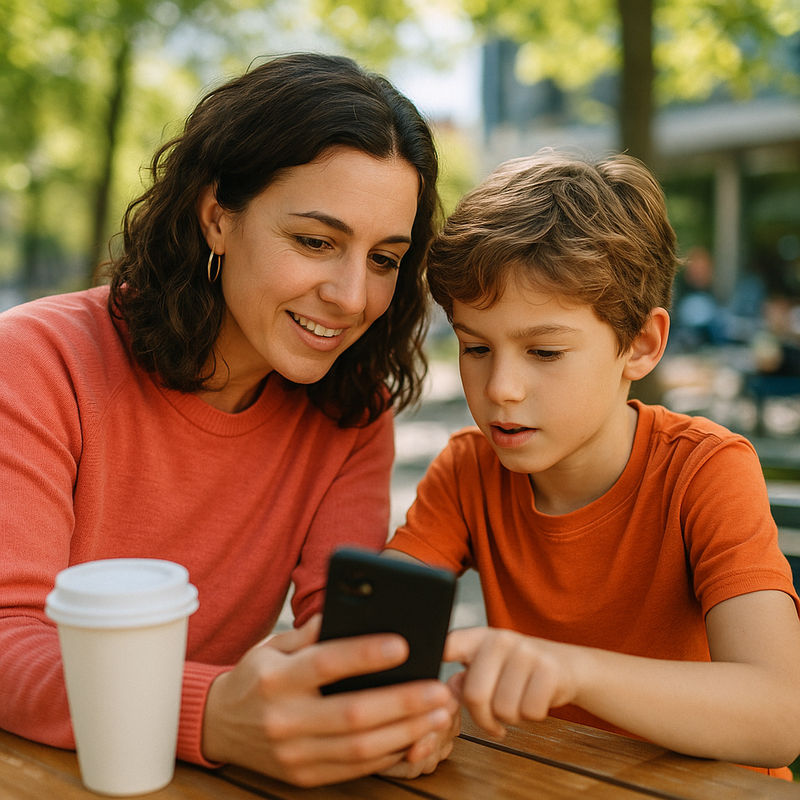
4) Device Coverage That Fits Your Actual Household (iPad + Old Android + School Chromebook)
Most families don’t have a clean ecosystem. You’ve got one iPhone, one ancient hand-me-down Android, an iPad that’s basically a communal living-room pet, and a school-issued Chromebook with its own rules and mysterious restrictions. Your parental control app needs to play nicely across devices, or at least be honest about what it can and can’t control.
- What to look for: Cross-platform support (iOS, Android, tablets, and ideally desktop), plus a clear setup flow for each device type.
- Why it matters: If the app only works perfectly on one device, your kid will migrate to the loophole device like a tiny, adorable cybersecurity analyst.
- Things to know: iOS tends to be more restrictive about what third-party apps can see and do. Android often offers deeper controls—but also more ways for a clever kid to rummage around in settings.
5) Location Tools That Don’t Feel Like You’re Running a Surveillance State
Location can be genuinely useful: confirming they got to soccer, checking if the bus is just late, or finding the phone that’s buried somewhere in the couch like a lost remote. The best apps keep it simple and transparent: location history, geofencing alerts, and a “where are you right now” option for real moments of need—not a breadcrumb trail you obsessively refresh while pretending to work.
- What to look for: Real-time location, arrival/departure alerts for key places, and battery-friendly tracking.
- Why it matters: If it drains the battery, kids will disable it (or “forget” to charge their phone, which is essentially the same thing).
- Honest caveat: GPS is imperfect. Expect occasional “they’re across town” panic that resolves when the map catches up.
6) Reporting That’s Useful, Not Voyeuristic
You don’t need a 12-page dossier on your child’s every tap. You need a clear sense of patterns: what they’re spending time on, when screen use spikes, and whether “homework on the laptop” is actually homework or a stealth YouTube situation.
- What to look for: Weekly summaries, top apps/sites, and time-of-day breakdowns that you can understand at a glance.
- Why it matters: You want information that helps you parent, not information that makes you spiral.
- Small detail to care about: Reports that don’t require you to log in on a desktop like you’re preparing a tax filing.
7) A Setup Process That Doesn’t Require a Free Weekend and an Engineering Degree
The dirty secret: most parental control apps lose families at setup. Permissions, profiles, OS settings, device management—suddenly you’re three layers deep in menus you didn’t know existed. The best tools walk you through it, explain why each permission matters, and don’t punish you with constant re-authentication.
- What to look for: Clear instructions, in-app checklists, and troubleshooting that isn’t just “restart the device.”
- Why it matters: If it’s hard to set up, you’ll leave gaps. Kids find gaps like dogs find crumbs.
- Honest caveat: OS updates can break things. Even excellent apps sometimes need a quick re-check after major iOS/Android updates.
8) The “Kid Experience” (Yes, Really)
Parents shop for these apps, but kids live inside the rules. Some tools are so punitive or confusing that they invite constant arguments—or covert workarounds. Others let kids see their own time, request more, and understand the boundary without it feeling arbitrary. That’s not coddling. That’s household peace.
- What to look for: A kid-facing dashboard, request buttons for extra time or new apps, and clear “why this is blocked” messaging.
- Why it matters: You want fewer negotiations shouted through a bathroom door while you’re trying to wash your face.
Things to Know Before You Download Anything
- No app replaces parenting. (Annoying but true.) The tool is there to back you up, not do the whole job while you sip iced coffee and pretend you’re above it all.
- Decide what you’re optimizing for: bedtime peace, safer browsing, less fighting, or device independence. You can’t perfectly maximize everything at once.
- Talk about it. The apps that work long-term usually come with a basic family agreement. The apps that fail are the ones installed like a surprise ankle monitor.
- Expect some loophole-hunting. Not because your kid is “bad,” but because kids treat rules like puzzles. Your job is to keep the puzzle boring.
Practical Buying Guidance (a.k.a. What to Tell a Friend in the School Pickup Line)
- If you want fewer fights: prioritize schedules + gentle warnings + easy “one more minute” extensions you can grant without drama.
- If you’re worried about content: prioritize web filtering + app store approvals + clear reporting, and don’t obsess over minute-by-minute logs.
- If your kid is older: look for tools that support autonomy (requests, transparency, shared rules) so it doesn’t turn into a cat-and-mouse tech war.
- If your household is multi-device chaos: prioritize cross-platform support and a parent dashboard that doesn’t make you manage three separate worlds.
Honest Caveats (Because You Deserve the Truth)
No parental control app is invisible, perfect, and permanently effective. Some kids will always find a workaround. Some controls will break after updates. Some features work beautifully on Android and feel slightly blunted on iOS (or vice versa). And yes, you will occasionally be the person googling “why did screen time stop working” at midnight.
The goal isn’t omnipotence. It’s a system that gently holds the line so you don’t have to be the line, every single day.

How Parental Control Apps Can Help with Video Game Bullying

When is the Right Age to Get a Child a Smartphone?

Screen Time Guidelines for Children of Different Ages

.png)

Helping millions of users make smarter purchases online.


