

















We also considered 10 others:


Our Top Choice
The order above is not editorial opinion, and it is not paid placement. It comes from what shoppers across our network actually do - which paint sprayers for cabinets they compare, and which they ultimately buy. We re-rank as new data comes in, so the long-term favorites have to keep earning their spot against new entrants. The full method, including how we make money.
Paint Sprayers for Cabinets Buyer's Guide
Cabinet sprayers have to balance a furniture-smooth finish with tight-space control: doors, face frames, inside corners, and already-finished rooms punish overspray and uneven atomization. The safest buys are not simply the most powerful sprayers, but the ones that let you tune flow, fan shape, coating viscosity, and cleanup fast enough to avoid clogs, spitting, and a rough cabinet finish.
Finish Control
Cabinet work shows every defect because flat doors, rails, and trim catch light from many angles. A sprayer that can be tuned for fan width, paint volume, and coating type gives shoppers a better chance of a smooth finish without sanding out mistakes between coats.
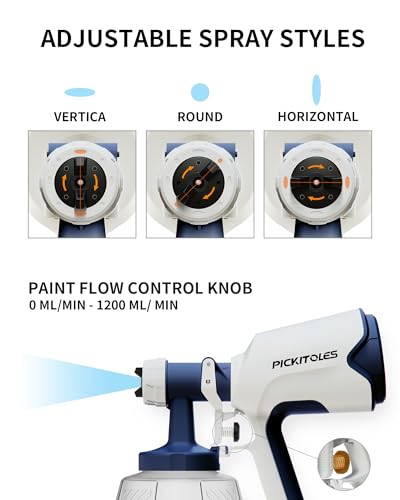
For cabinets, prioritize a sprayer with adjustable fluid flow, selectable spray patterns, and enough control to produce a fine, even fan without flooding door edges or face-frame corners. Look for clean atomization at low-to-moderate output, because too much paint too quickly can cause runs, orange peel, heavy edge buildup, and overspray inside kitchens or small workshops. Owner feedback most strongly rewards sprayers that lay down an even coat with minimal overspray, and several reports praise clean results on cabinets, trim, clear coats, staining, and other finish-sensitive work once the controls are dialed in.
Paint Prep
Paint chemistry matters as much as the sprayer itself in cabinet finishing. The right nozzle and viscosity match helps prevent clogs, speckling, rough texture, and weak coverage, which are especially visible on cabinet doors.
Choose a cabinet sprayer that includes multiple nozzle sizes and gives clear guidance for thinning or viscosity testing, especially if you plan to spray primer, enamel, lacquer, clear coat, stain, or water-based cabinet paint. For cabinet finishes, always strain paint, test on scrap, and confirm the sprayer can atomize the coating without spitting; coatings that are too thick can clog, while over-thinned coatings may sag or cover poorly. Owners note that strong results often require dialing in viscosity, spray pattern, and setup, while positive feedback also highlights versatile nozzle sets and effective performance across clear coats, trim paint, cabinets, and staining.
Access & Handling
Cabinet spraying often involves awkward positions rather than long open walls. A sprayer that is easy to maneuver reduces fatigue and helps keep the spray distance and angle consistent, which directly affects finish quality.
For installed cabinets, built-ins, shelves, and face frames, favor a sprayer that is easy to hold steady at different angles and compact enough to work near walls, toe kicks, and cabinet boxes. Cordless models can be useful in tight kitchens or garages because there is no cord dragging across wet doors, drop cloths, or masking, but battery platform compatibility matters if the sprayer relies on tool-style packs. Owner sentiment supports this: cordless convenience is praised by people already using compatible 20V-style batteries, and the best-fit use cases are small to medium projects such as furniture, shelves, touch-ups, fences, and outdoor pieces rather than whole-house production work.
Cleanup Workflow
Cabinet projects usually involve multiple thin coats with sanding or dry time in between. Fast, thorough cleanup keeps the sprayer reliable across coats and prevents dried finish from ruining later passes.
Buy for cleaning access as seriously as spray quality: cabinet coatings can dry quickly in tips, needles, cups, and air passages, so look for simple disassembly, washable parts, included cleaning tools, and a cup that refills without making a mess. Avoid sprayers that make nozzle removal or paint-path cleaning tedious, because delayed cleanup is a common path to clogging, spitting, and poor performance on the next coat. Owners repeatedly describe setup, refilling, and cleanup as easier than expected on well-liked models, while mixed feedback still warns that prompt cleaning after use is part of getting consistent results.
Power & Capacity
Inconsistent flow can leave striping, dry spray, or sudden heavy spots on cabinet surfaces. The right balance of power and capacity helps maintain a wet edge without turning a precision finishing job into an overspray-heavy production job.
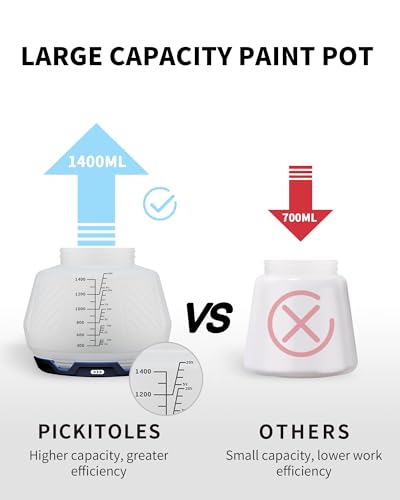
For cabinets, seek steady paint flow rather than maximum output: the motor should maintain consistent atomization with cabinet paints and primers, while the cup should be large enough to finish several doors or frames without constant refilling but not so large that the sprayer becomes tiring. A roughly liter-plus cup can reduce interruptions on a run of doors, but smaller, lighter setups may be easier for detailed cabinet boxes and trim. Owner reports praise steady flow, good coverage, and large cup capacity for longer DIY jobs, while also indicating these sprayers are best matched to small and medium projects rather than whole-house painting.
Build Value
A cabinet sprayer does not need to be industrial for one refinishing project, but it does need to stay consistent through every coat. Build quality affects leakage, clog resistance, adjustment stability, and whether the sprayer remains useful beyond the first job.
Match the build to how often you will spray cabinets: occasional DIY cabinet doors, furniture, and trim can be well served by lighter plastic-heavy units, but repeated refinishing, thicker coatings, and long sessions justify tougher construction, better seals, and more durable nozzles. Check whether wear parts, cups, gaskets, and nozzles feel serviceable, because cabinet finishing is unforgiving when a sprayer starts leaking, pulsing, or wearing unevenly. Owners see strong value and surprisingly capable performance for DIY use, with reliability viewed positively for smaller projects, but they also flag mostly plastic construction as a tradeoff compared with more durable professional-grade metal sprayers.
1,000,000+ shoppers use Buyer's Guide every week to find the best products and services online.

Helping millions of users make smarter purchases online.


