


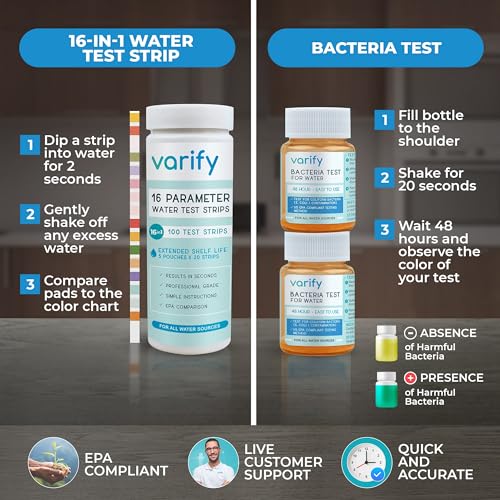







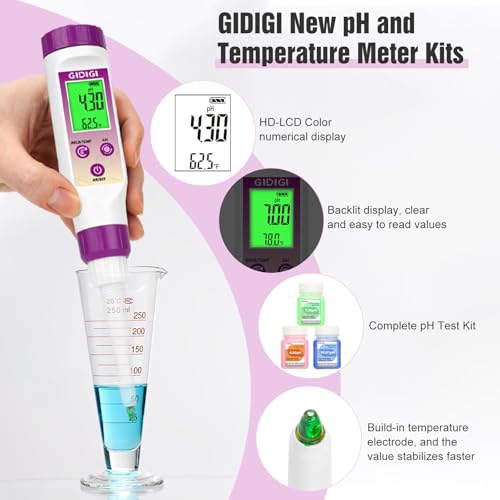


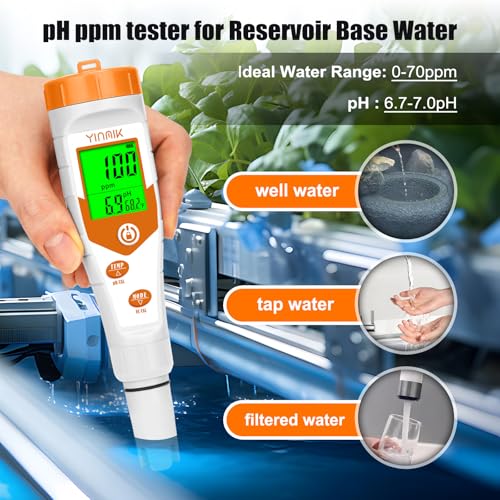


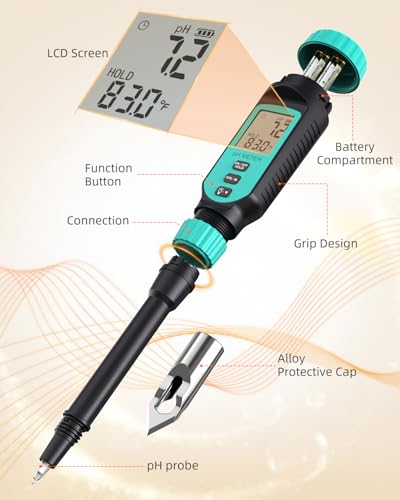


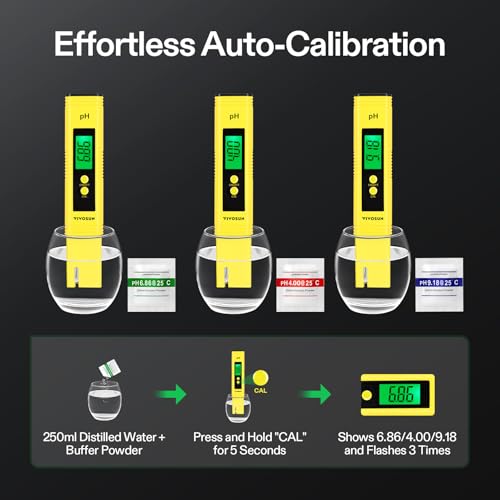


We also considered 10 others:


Our Top Choice
The order above is not editorial opinion, and it is not paid placement. It comes from what shoppers across our network actually do - which ph testers they compare, and which they ultimately buy. We re-rank as new data comes in, so the long-term favorites have to keep earning their spot against new entrants. The full method, including how we make money.
pH Testers Buyer's Guide
pH testers look similar, but the right choice depends on what you are actually testing: soil in a pot, circulating hydroponic nutrient water, or treated spa water. The sharp tradeoff is convenience versus confidence—strips and color kits can be fast and simple, while probes and meters need the right sample conditions and can fail in ways that look like stable pH. A careful buyer should prioritize sample compatibility, readable results, and whether the tester also supports safe pH adjustment.
Sample Fit
A pH tester is only useful if it is designed for the material being tested. Soil, nutrient solution, and spa water expose the sensor or indicator to different moisture levels, dissolved chemicals, and comparison ranges, so a good pick starts with matching the format to the use case.
Choose by sample type first: use a soil probe when the main job is checking pot conditions below the dry-looking surface, a liquid reagent kit or calibrated meter for hydroponic nutrient solution, and spa-specific strips for hot tub water with the right sanitizer system and test parameters. Do not assume a multipurpose soil probe will give dependable reservoir pH, or that spa strips will translate cleanly to plant nutrients; the chemistry and target ranges are different. Owner feedback supports this split: soil-style probes are especially valued as watering aids because they read deeper than the surface, liquid pH kits are seen as complete setups for managing hydroponic water pH, and spa strips are liked most when used with the matching maintenance system.
Reading Accuracy
Small pH differences can change nutrient availability, sanitizer balance, or plant stress, so repeatability matters more than a single impressive reading. In this category, reliability depends on fresh reagents, a responsive sensor or clear indicator, and results that change when the sample actually changes.
Look for a tester with an appropriate pH range, repeatable readings, and a way to verify performance: calibration solution for digital meters, fresh dated reagents for liquid tests, or strips with well-defined color blocks. For soil probe designs, be cautious if the pH needle barely moves, if the instructions require a very wet soil slurry but the product is used in dry soil, or if the same reading appears in every pot; a stuck pH function is a common failure mode in this class. Owner sentiment backs both sides: color-based liquid pH tests are often trusted against pens or meters for typical plant and hydroponic use, while pH performance on some probe-style testers is reported as hit-or-miss, with acidity or alkalinity readings sometimes stopping or never changing.
Readability
A technically accurate test can still be frustrating if the result is hard to interpret. pH strips, liquid drops, and analog dials all rely on the shopper being able to read a color or scale clearly under normal lighting.
For routine checks, favor bold color charts, a clear vial or strip pad, an uncluttered dial, or a digital display that can be read at the angle you will actually use. Avoid color systems with faded comparison blocks, tiny pH increments that are hard to distinguish, or instructions that require judging the result after an unclear time window. Owners frequently praise dip-and-compare strips and liquid color tests as straightforward and fast, and some find them simpler than a digital meter; the caution is that color matching can be imprecise, with some buyers finding strip colors faded or dials harder to read than expected.
Control Supplies
For hydroponics and spa care, measuring pH is often only half the task; the next step is adjusting or maintaining the water safely. A complete setup reduces guesswork by including the test method, comparison standard, and the tools or chemicals needed to act on the reading.
If you are managing hydroponic water, look for a kit that includes pH up, pH down, test solution, a vial, a pipette or dosing tool, and clear instructions for small adjustments; overshooting pH is one of the easiest ways to create nutrient lockout. For spa maintenance, make sure the strips cover the key checks your system requires rather than pH alone, because sanitizer balance can affect whether the pH result is useful. Owners respond well to complete pH-control setups that let them start testing and adjusting right away, and they also value spa strips that cover the routine maintenance checks they need.
Build Quality
pH testers are exposed to moisture, salts, chemicals, and repeated handling, so build quality affects both lifespan and consistency. Weak vials, fragile probes, and poorly protected indicators can turn a simple test into a source of bad readings or leaks.
Choose sturdy probes that clean easily, caps or storage cases that protect sensitive parts, and test vials that seal well and resist cracking. For handheld soil meters, a rotating or easy-view head can matter because readings are often taken inside dense foliage or low pots; for liquid kits, the vial and dropper should be durable enough for repeated use around water and nutrient concentrates. Owner sentiment is generally positive on well-built, simple testers and useful multi-function designs, but durability is not automatic: some buyers report cracked testing vials even when the chemicals or kit itself perform dependably.
1,000,000+ shoppers use Buyer's Guide every week to find the best products and services online.

Helping millions of users make smarter purchases online.


