














Our Top Choice
Why These Features Matter:
Water testers are one of those “responsible adult” purchases that rarely feel glamorous until the day something tastes faintly like a swimming pool, leaves chalky rings on the kettle, or turns a blond toddler’s bathwater suspiciously yellow. The right tester doesn’t just spit out numbers — it tells a believable story about what’s coming out of the tap, quickly, without turning the kitchen counter into a mini science fair.
A good one also respects real life: wet hands, limited patience, a drawer that already contains 14 mystery cables, and the kind of household where someone will absolutely press every button just to see what happens.
What a “Best” Water Tester Actually Does (and Doesn’t)
Most people don’t need a lab. They need a reality check: Is this water broadly okay? Did the filter pitcher actually do anything? Is the new rental’s plumbing giving “historic charm” or “mildly concerning”?
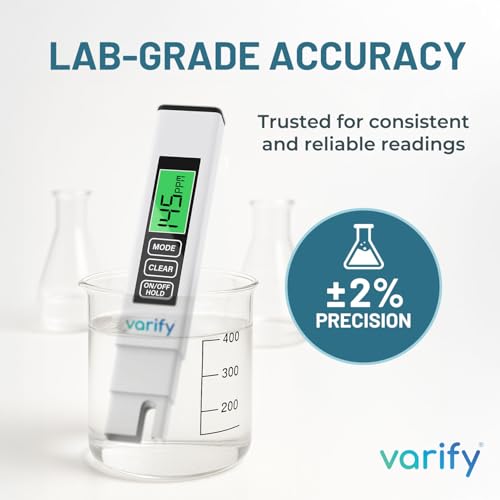
The most useful testers translate water into a few practical signals — typically a general purity reading (often expressed as dissolved solids), plus targeted checks for the stuff that causes obvious problems (chlorine taste, odd pH, hardness). The “best” ones are the ones that keep being used after the first week because they’re not annoying.
The Feature That Separates “Used Once” From “Actually Lives on the Counter”: Readability
If the screen looks like a microwave clock from 1997, the tester is destined for a junk drawer. Look for a display that can be read at arm’s length in regular kitchen lighting — not just under the stove hood spotlight at 11 p.m.
- Big, high-contrast numbers: because nobody wants to squint while holding a dripping glass.
- Backlight that isn’t blinding: helpful for dim bathrooms and under-sink testing without feeling interrogated.
- Fast stabilization: readings that settle quickly are the difference between “useful habit” and “why is this still blinking?”
Speed Matters — But So Does Not Being Fussy
Some testers take a reading in seconds. Others require a small ritual: rinse, wait, swirl, calibrate, repeat. A little ceremony is fine if it’s consistent. What wears people down is a device that’s moody — accurate only when it feels like it.
- Quick readings: ideal for checking tap vs. fridge water vs. filtered pitcher without turning it into a project.
- Clear “ready” cues: a stable icon or beep beats guessing when the number is final.
- Simple rinse-and-go maintenance: anything requiring special storage solution tends to become “later.”
What to Test For: The Short List That Covers Real-Life Problems
There are endless metrics, but a few tend to matter in daily life — taste, scaling, staining, and the vague sense that something is off.
- Total Dissolved Solids (TDS): a broad “how mineral-y is this?” reading. Useful for comparing sources and seeing if filtration changes anything.
- Chlorine: the culprit behind that public-pool note in water and tea. If taste is the complaint, chlorine is usually the first suspect.
- pH: mostly relevant if there’s corrosion/scaling anxiety, sensitive skin, or very particular plants.
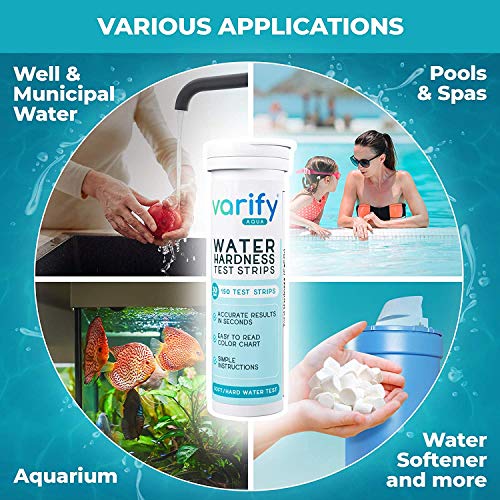
- Hardness: if kettles crust over, shower doors frost up, or hair feels oddly rough, hardness testing stops the guesswork.
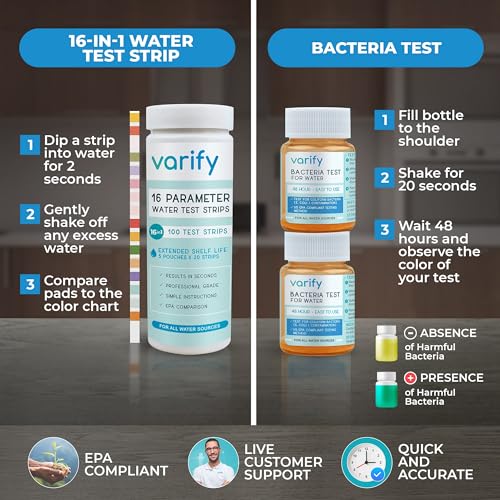
A good guidepost: the more specific the tester (lead, nitrate, bacteria), the more the test usually becomes a strip/kit situation rather than a quick dip-and-read meter. That’s not worse — it’s just slower and more “set aside 10 minutes and don’t get distracted.”
Meter vs. Test Strips: Choose Your Annoyance
Both can be excellent. Both can also be irritating in very specific ways.
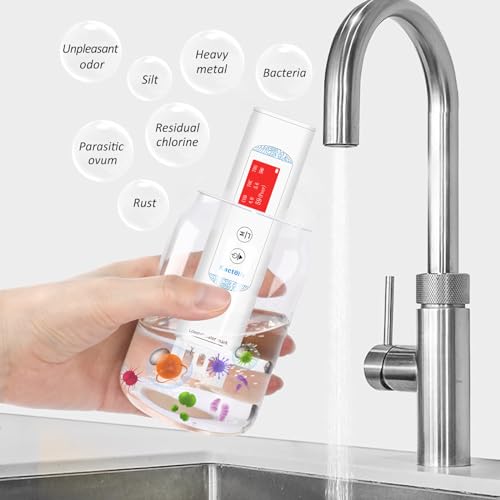
- Digital meters: satisfying, repeatable, and great for comparisons (“tap vs. Brita vs. fridge filter”). They’re also the ones that mysteriously need calibration right as someone is hosting brunch.
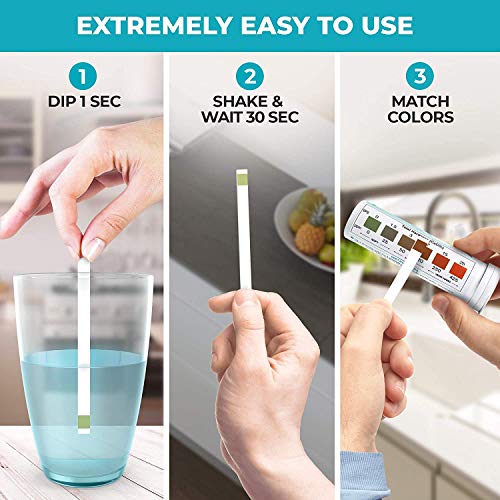
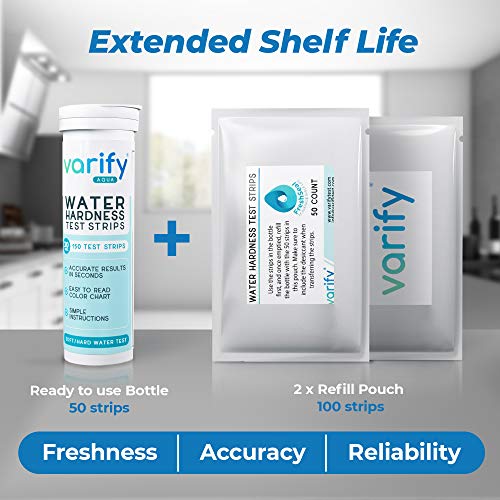
- Test strips: cheap, low-tech, and easy to stash. But color matching is basically a personality test — some people see “pale salmon,” others see “aggressive peach,” and everyone argues under warm kitchen lighting.
- Dropper kits: often more precise than strips for certain measurements, but they take counter space and a calm moment. Not ideal in a household with curious children or cats who believe all liquids are for pushing.
Calibration: The Quiet Dealbreaker
Some digital testers need occasional calibration to stay trustworthy. That’s not inherently bad — it’s how they remain accurate — but it does mean the “best” ones make calibration as painless as possible.
- Auto-calibration or guided calibration: fewer steps, fewer chances to do it wrong.
- Calibration reminders: helpful, but only if they’re not naggy.
- Easy-to-buy calibration solution: if it’s hard to find or expensive, the device slowly becomes decorative.
A small but meaningful detail: testers that come with a properly sealed calibration solution (and clear instructions that don’t read like a translated manual for a submarine) tend to get calibrated. The others… don’t.
Waterproofing and Build: Because This Thing Will Get Wet
A water tester that can’t handle splashes is a comedy of errors. Real use involves dripping glasses, damp hands, and the occasional oops into the sink.
- Water-resistant body: protects against the everyday mess, not just the theoretical one.
- Cap that actually stays on: loose caps roll under appliances and come back looking haunted.
- Sturdy feel without being bulky: flimsy testers feel like they’ll crack if someone closes the drawer with attitude.
Storage: Tiny Kitchen Truths
The best water tester is the one that’s easy to grab and not annoying to put away. If it requires a special case the size of a pencil box, it will live on the counter. If it lives on the counter, it should not look like medical equipment.
- Compact footprint: especially if the counter already hosts a coffee machine, drying rack, and a rotating cast of “important” jars.
- Protective case (optional, not mandatory): nice for people who like order; overkill for everyone else.
- Simple cap + clip: underrated. It turns “random gadget” into “tool with a home.”
Battery and Power: The Petty Frustration That Ends Relationships
Battery life doesn’t seem important until the tester dies mid-reading and the household is forced to interpret water quality via vibes. Replaceable batteries are often more practical than proprietary charging — mostly because no one wants another special cable.
- Auto-off: saves batteries and sanity.
- Low-battery indicator: prevents the “is this reading wrong or is it dying?” spiral.
- Replaceable batteries: boring, reliable, and less likely to strand the device in a drawer for six months.
Things to Know (Before You Panic-Order a Filter System)
- A single reading isn’t a diagnosis: take a few readings over days, especially if your building’s plumbing or municipal treatment changes seasonally.
- TDS isn’t “toxins”: it measures dissolved stuff — often minerals. High numbers can correlate with taste or scaling, but it doesn’t automatically mean “danger.”
- Lead testing is its own category: many quick digital meters don’t directly test for lead. If lead is a concern (older buildings, old service lines), use a dedicated lead test kit and consider a lab test.
- Well water needs a different level of attention: bacteria and nitrates move from “nice to know” to “actually essential.” A home tester helps, but periodic lab testing is still the grown-up move.
Honest Caveats (Because Perfect Products Don’t Exist)
- Some testers drift: even good meters can slowly become less accurate. If calibration is a dealbreaker, choose strips or a kit you’ll actually use.
- Color-based strips are lighting-dependent: overhead warm bulbs can make everything look “slightly worse.” Daylight helps.
- “Too many features” can backfire: a tester that does 12 things but takes five minutes to run often does none of them regularly.
- Water taste is emotional: two houses can have identical readings and completely different vibes. Sometimes the nose knows — and the solution is filtration for flavor, not fear.
Quick Guidance: How to Pick the Right Style for Your Life
- For apartment dwellers with mystery plumbing: a fast digital meter for comparisons (tap vs. filtered) plus occasional strip tests for chlorine/hardness is usually the sweet spot.
- For coffee/tea obsessives: prioritize consistency and repeatability (stable readings, easy calibration). You’ll care about small changes because your tongue does.
- For hard-water chaos (scale, spots, crispy hair): pick something that measures hardness clearly and doesn’t require interpretive color reading.
- For parents and pet households: sturdy build, secure cap, and a design that won’t be instantly turned into a bath toy.
- For well-water homes: use a tester as a frequent check-in, but pair it with targeted kits and periodic lab tests. The goal is confidence, not just numbers.
The Litmus Test: Will It Fit Into an Actual Routine?
The “best water tester” is the one that can handle being used with damp hands, read without squinting, stored without fuss, and trusted without constant second-guessing. It should feel less like buying equipment and more like adding a small, competent tool to the house — the kind that quietly prevents bigger, pricier problems later.
1,000,000+ shoppers use Buyer's Guide every week to find the best products and services online.

Helping millions of users make smarter purchases online.

