


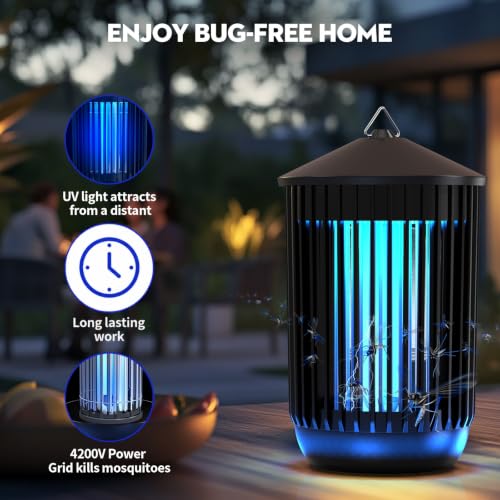
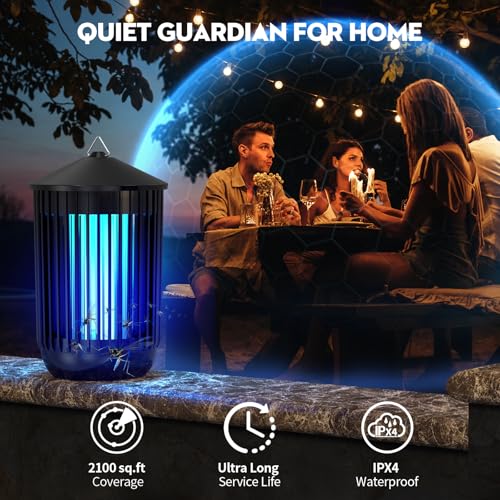


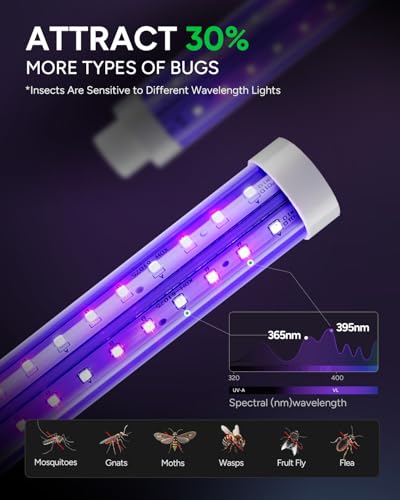




We also considered 10 others:


Our Top Choice
Compare Features


The order above is not editorial opinion, and it is not paid placement. It comes from what shoppers across our network actually do - which outdoor bug zappers they compare, and which they ultimately buy. We re-rank as new data comes in, so the long-term favorites have to keep earning their spot against new entrants. The full method, including how we make money.
Outdoor Bug Zappers Buyer's Guide
Outdoor bug zappers are a placement and power tradeoff: the most effective spot is often away from where people eat or sit, but that spot still needs safe electricity, weather protection, and easy cleanup access. The sharpest buying concerns are whether the zapper targets your actual pests and whether it can run safely outdoors through peak evening insect activity without becoming a maintenance hassle.
Design
You’ll want a bug zapper whose size, weight, and appearance fit where you plan to use it, whether that’s hanging on a patio, sitting on a table, or moving between indoor and outdoor spaces. Look for design details that match your setup, such as hooks, stands, protective cages, weather-resistant construction, or rotating/portable forms, and watch out for bulky units or limited mounting options that make placement inconvenient.
Choose a design around where insects actually gather, not just where people sit: an outdoor zapper should be easy to hang or place a short distance away from seating, doorways, grills, and food so it draws bugs away rather than toward guests. For patios, balconies, camping, and mixed indoor/outdoor use, look for a lightweight unit with stable standing and hanging options, a protective cage, easy-access cleaning, and weather-tolerant housing if it may stay outside in light rain. Owner feedback supports this priority: buyers repeatedly like simple plug-in, hanging, standing, and cordless designs that move easily between patios, rooms, balconies, yards, and camping setups, and they often praise compact, sturdy builds with a blue-violet glow that works as ambient patio light.
Effectiveness
You want a bug zapper that actually draws pests away from you and reliably traps or kills the kinds of insects you’re dealing with, whether that’s mosquitoes, flies, gnats, or fruit flies. Look for strong attraction methods, appropriate coverage for your space, and kill or trap mechanisms that stay effective over time; watch out for units that zap plenty of harmless bugs but do little for biting mosquitoes or that rely on scent, light, or sticky surfaces that need frequent upkeep.
Match the zapper to the pest problem: UV-grid zappers are usually strongest for moths, flies, gnats, lake flies, and other flying insects, while mosquito control depends heavily on placement, competing light sources, standing water nearby, and whether the unit can pull insects from a useful distance. For heavy outdoor pressure, favor a stronger grid, enough coverage for the intended deck or yard zone, and a design that can run through peak evening hours; for indoor fruit flies or gnats, a dedicated indoor trap style may be more appropriate than a high-voltage outdoor lantern. Owner sentiment backs the outdoor-use case strongly, with buyers describing big reductions in mosquitoes, flies, moths, gnats, lake flies, and visible piles of dead insects, especially around decks, pools, patios, yards, and summer evening spaces.
Build
Build quality matters because a bug zapper may be left outdoors, moved around, cleaned often, and exposed to heat, moisture, and debris. Look for sturdy housing, secure grilles, weather-resistant materials, and parts that feel well-fitted rather than flimsy. Watch out for thin plastic, loose connections, or hard-to-access components, since poor durability can shorten the zapper’s life and make upkeep more frustrating.
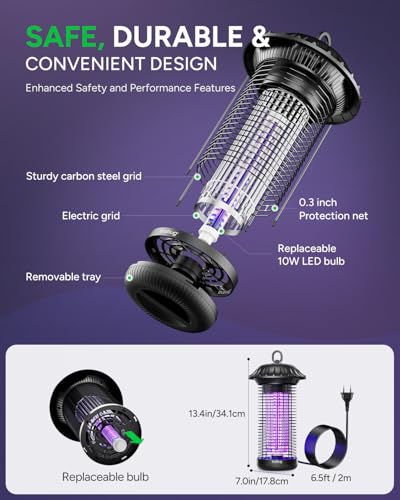
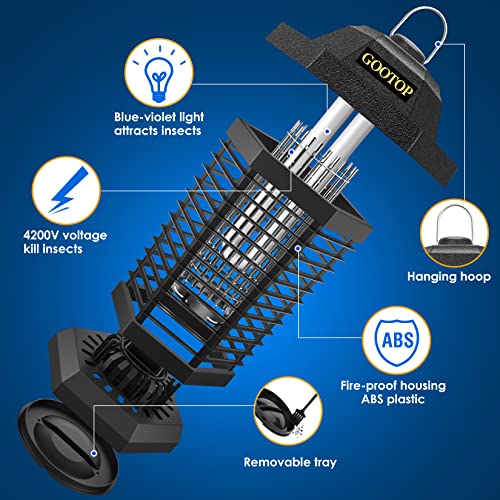
For outdoor bug zappers, build quality should mean more than a tough-looking shell: check for outdoor-rated materials, a guard that keeps fingers and pet noses away from the electrified grid, a secure hanging hook or base, corrosion-resistant parts, and a tray or opening that lets you clean out dead insects before buildup blocks airflow or attracts scavengers. If the unit will stay outside, treat “handles light rain” as different from being safe in storms or standing water, and avoid flimsy models that cannot remain stable in wind or during repeated seasonal use. Owners tend to value exactly these sturdier traits, describing some units as well made, capable in bug-heavy areas, dependable for repeat seasonal use, easy to brush or dump clean, and suitable for patio use with light-rain tolerance.
Value
A bug zapper is only a good buy if its coverage, durability, and insect-catching performance feel proportionate to what you pay. Look for sturdy weather-resistant construction, easy bulb or cartridge replacement, and consistent results in the space you plan to use it, and be wary of cheap units that underperform or pricier ones that add features you won’t actually need.
Judge value by the cost of usable bug-free time in the specific area you need to protect, not by the lowest upfront cost: a bargain zapper is poor value if it lacks enough coverage, cannot be placed where insects are active, is hard to clean, or dies after one season outdoors. The best value for this niche usually comes from the right combination of effective attraction, safe outdoor placement, low-maintenance cleaning, and no ongoing sprays or disposable batteries unless your pest problem requires an added attractant. Owner feedback supports this practical value view, with buyers calling effective units worthwhile when they noticeably reduce bugs, clean out easily with trays or wipe-clean designs, operate with little fuss, and avoid complicated setup or chemical sprays.
Ease
A bug zapper is more likely to help if you can set it up quickly, place or hang it where needed, and turn it on without fuss. Look for simple controls, a stable or portable design, clear placement guidance, and an easy way to empty dead insects or clean the grid. Watch out for bulky units, awkward hanging hardware, or maintenance steps that make regular use feel like a chore.
Ease of use matters most after a busy night of zapping: look for a bottom tray or front-opening design that can be emptied without touching the grid, a brush or simple cleaning access, and controls or auto modes that do not require you to remember daily operation. Placement ease is also critical outdoors, because the best spot may be away from the table but near insect traffic; hanging, standing, cordless, or easily movable designs are more useful than units that only work beside one outlet. Owner sentiment aligns with this, as buyers consistently praise plug-and-play setup, simple hanging and standing options, auto operation, easy relocation around the yard or indoor/outdoor spaces, and quick dump-out or tray-and-brush cleanup routines.
Power
Power affects where and how long you can use a bug zapper, so match the setup to your space: corded models need a safe outlet within reach, while cordless options depend on battery life and charging convenience. If you want a solar-powered zapper, check that it can get enough direct sun for your location and don’t assume solar charging will keep up in shaded areas or during long, cloudy stretches.
Plan power around placement before buying: corded units can run continuously and suit all-night patio or yard use, but only if the cord reaches a safe outdoor-rated, GFCI-protected outlet without creating a trip hazard or forcing the zapper too close to people. Solar or rechargeable models are better for balconies, campsites, sheds, and distant yard corners, but check expected runtime, cloudy-day backup charging, battery access, and whether the unit can last through peak dusk-to-night insect activity. Owner feedback highlights this tradeoff clearly: buyers like solar charging, rechargeable batteries, USB-C backup, and cordless portability for long evenings and flexible placement, while short cords are a recurring annoyance that often forces extension-cord planning.
1,000,000+ shoppers use Buyer's Guide every week to find the best products and services online.

Helping millions of users make smarter purchases online.


