





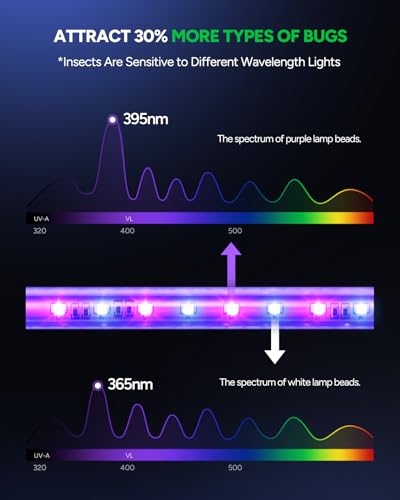
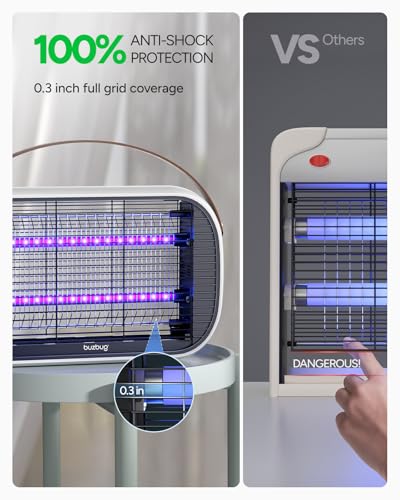
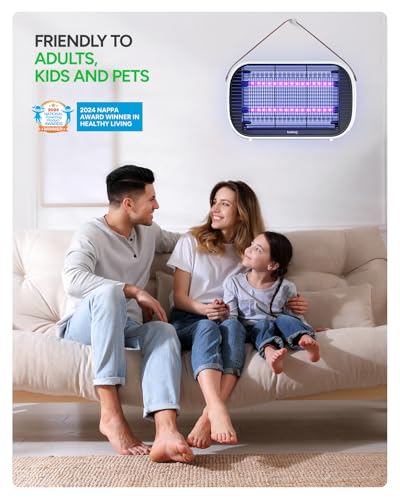


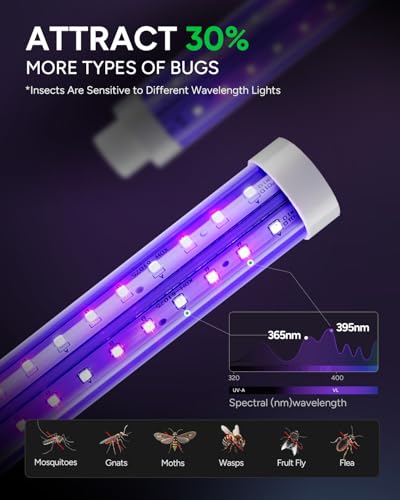




We also considered 10 others:


Our Top Choice
Compare Features


The order above is not editorial opinion, and it is not paid placement. It comes from what shoppers across our network actually do - which indoor bug zappers they compare, and which they ultimately buy. We re-rank as new data comes in, so the long-term favorites have to keep earning their spot against new entrants. The full method, including how we make money.
Indoor Bug Zappers Buyer's Guide
Indoor bug zappers have to do two jobs at once: attract and kill flying pests without making your living space noisy, messy, or unsafe around food, kids, and pets. The biggest choice is whether you need a clean sticky/fan-style trap for gnats and fruit flies or a true electric-grid zapper for larger flies and moths, because the wrong style can be ineffective or unpleasant indoors.
Effectiveness
You want a bug zapper that actually draws pests away from you and reliably traps or kills the kinds of insects you’re dealing with, whether that’s mosquitoes, flies, gnats, or fruit flies. Look for strong attraction methods, appropriate coverage for your space, and kill or trap mechanisms that stay effective over time; watch out for units that zap plenty of harmless bugs but do little for biting mosquitoes or that rely on scent, light, or sticky surfaces that need frequent upkeep.
For indoor use, match the trapping method to the insect: sticky UV/fan traps are usually the cleaner choice for fruit flies, drain gnats, and fungus gnats around kitchens and plants, while electric-grid zappers make more sense for larger flies, moths, and occasional mosquitoes in open rooms. Check the stated coverage for actual room size, place the unit away from competing lamps and windows, and avoid expecting a UV zapper alone to solve a breeding-source problem like overwatered plants, dirty drains, or exposed fruit. Owner reports support that the best units can reduce visible flying pests quickly, with especially strong feedback for gnats, fruit flies, flies, moths, and small pests; buyers also describe heavy kills and noticeable reductions when units are placed where bugs actually gather.
Value
A bug zapper is only a good buy if its coverage, durability, and insect-catching performance feel proportionate to what you pay. Look for sturdy weather-resistant construction, easy bulb or cartridge replacement, and consistent results in the space you plan to use it, and be wary of cheap units that underperform or pricier ones that add features you won’t actually need.
Judge value by ongoing consumables and fit for your indoor pest problem, not just by the upfront cost: glue-board and lure-based traps may need regular refills, while electric zappers may need bulb replacement and more cleanup. A cheap zapper is not a good value if it is too loud for bedrooms, too messy for kitchens, or ineffective for tiny gnats; a refill trap can be worth it if it cleanly solves a recurring fruit-fly or plant-gnat issue. Owner sentiment suggests many shoppers feel indoor-style traps and compact zappers are worthwhile when they are easy to clean, come with useful refill supplies, and deliver visible bug control, though some note that higher initial cost and replacement lures can make value feel more divided.
Ease
A bug zapper is more likely to help if you can set it up quickly, place or hang it where needed, and turn it on without fuss. Look for simple controls, a stable or portable design, clear placement guidance, and an easy way to empty dead insects or clean the grid. Watch out for bulky units, awkward hanging hardware, or maintenance steps that make regular use feel like a chore.
For indoor convenience, look for true plug-in operation, front-access cleaning, removable catch trays, or glue cards that can be swapped without touching bugs. If you plan to move it between kitchen, bathroom, plant shelf, and bedroom, prioritize a compact unit with stable standing placement as well as hanging options; if it must stay on overnight, auto or dusk-sensing modes can reduce fuss. Owners commonly describe these products as simple to start and maintain, often appreciating plug-and-play setup, easy hanging or placement, tray-and-brush cleanup, magnetic glue cards, and generally low-effort everyday use.
Design
You’ll want a bug zapper whose size, weight, and appearance fit where you plan to use it, whether that’s hanging on a patio, sitting on a table, or moving between indoor and outdoor spaces. Look for design details that match your setup, such as hooks, stands, protective cages, weather-resistant construction, or rotating/portable forms, and watch out for bulky units or limited mounting options that make placement inconvenient.
Indoor design should balance attraction with livability: choose a glow level you can tolerate in a bedroom or dining area, an enclosed grid if children or pets can reach it, and a shape that does not block adjacent outlets or sit unstably on a counter. For kitchens and eating areas, avoid open-grid designs that can scatter insect fragments near food prep; enclosed sticky-card or fan traps are usually neater. Owners tend to like small, lightweight, movable designs and soft blue or purple light that can double as gentle nighttime illumination, and they praise units that can be plugged in, hung, or placed where pests appear.
Build
Build quality matters because a bug zapper may be left outdoors, moved around, cleaned often, and exposed to heat, moisture, and debris. Look for sturdy housing, secure grilles, weather-resistant materials, and parts that feel well-fitted rather than flimsy. Watch out for thin plastic, loose connections, or hard-to-access components, since poor durability can shorten the zapper’s life and make upkeep more frustrating.
For indoor zappers, build quality matters most at the grid enclosure, bulb or LED life, tray fit, and plastic seams where dead insects can collect. Look for an indoor-rated unit with a secure housing, no exposed high-voltage grid, a tray or door that opens without dumping debris, and replacement parts that are actually available; do not assume an outdoor-rated patio zapper is automatically appropriate for counters, nurseries, or tight indoor corners. Owner feedback supports that sturdier units feel dependable over repeat use, with buyers appreciating solid construction, straightforward cleaning access, included brushes, and designs that keep working through bug-heavy periods.
Noise
Noise matters because a bug zapper that’s too loud can be distracting on a patio, porch, campsite, or near sleeping areas. Look for quiet operation if you’ll use it close to where people gather, and remember that even a low-hum unit may still make sharp popping sounds when insects hit the grid.
Decide upfront whether you can live with audible zaps indoors: electric-grid models may pop loudly when larger flies or moths hit, which can be annoying in bedrooms, offices, nurseries, or homes with skittish pets. If quiet operation is a priority, favor fan-and-glue traps or enclosed sticky UV traps, which tend to run as background devices rather than producing sudden snapping sounds. Owner sentiment is split in exactly this way: many like quiet fan-style operation for living spaces, while zapper owners often find the pops satisfying proof that bugs are being killed, even though others consider the sound loud, startling, or unsuitable nearby.
1,000,000+ shoppers use Buyer's Guide every week to find the best products and services online.

Helping millions of users make smarter purchases online.


