

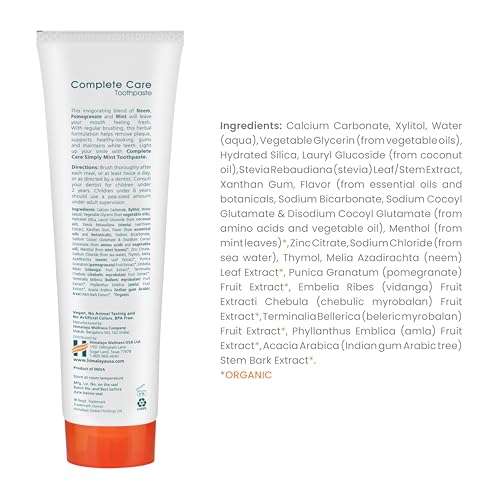





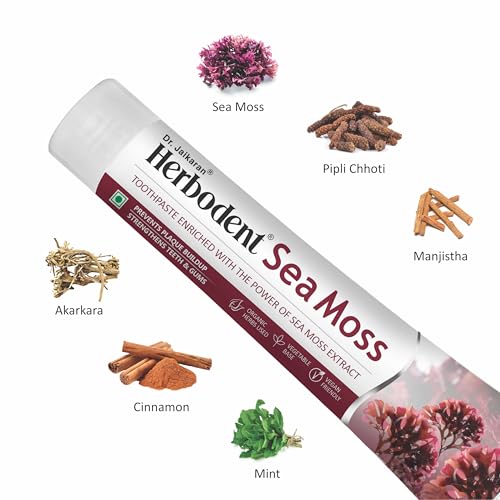


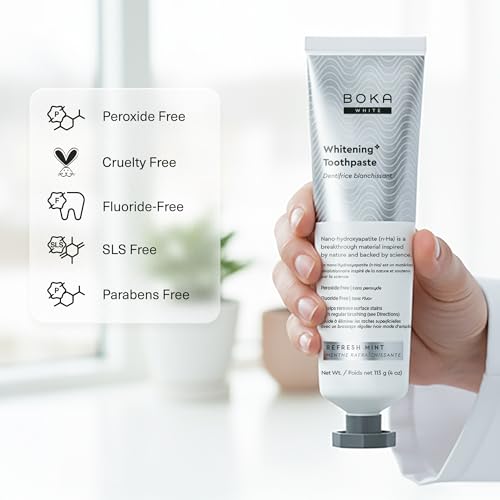
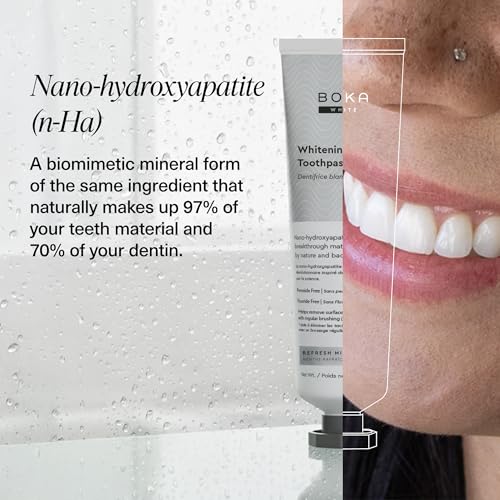
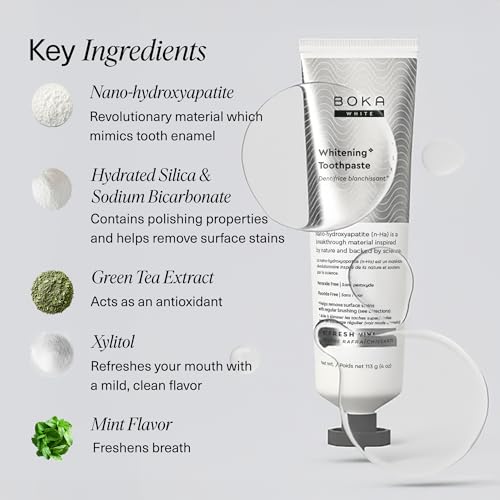


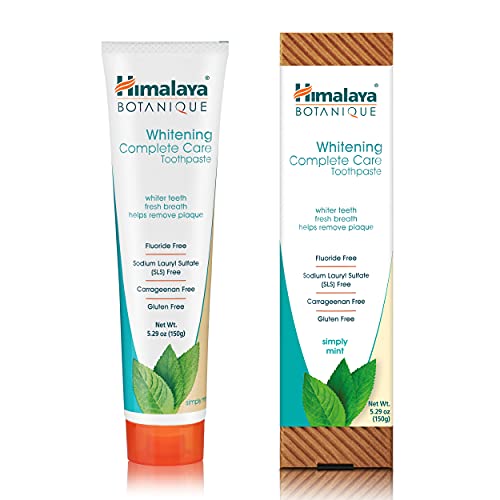

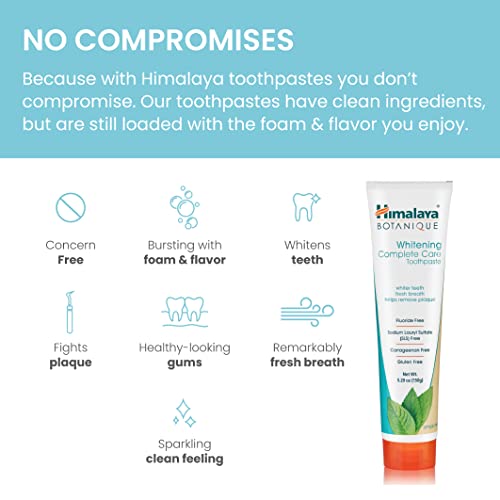
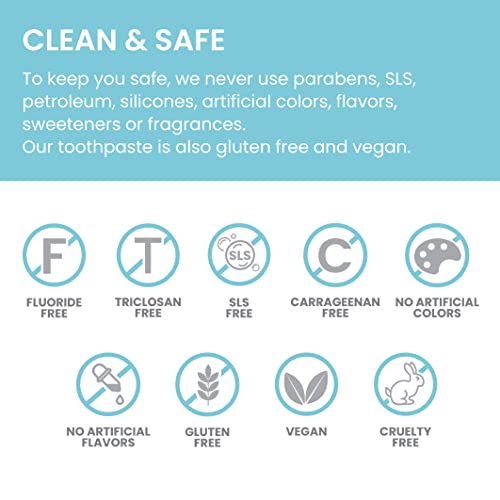


We also considered 3 others:


Our Top Choice
Compare Features


The order above is not editorial opinion, and it is not paid placement. It comes from what shoppers across our network actually do - which organic toothpastes they compare, and which they ultimately buy. We re-rank as new data comes in, so the long-term favorites have to keep earning their spot against new entrants. The full method, including how we make money.
Organic Toothpastes Buyer's Guide
Organic toothpaste buyers are usually balancing cleaner ingredient lists against proven cavity protection, stain control, and sensitivity comfort. The sharpest checks are whether a fluoride-free formula has a credible enamel-support plan and whether natural whitening agents, herbs, or essential oils are gentle enough for daily use.
Whitening
Visible whitening is the main reason you’re choosing a whitening toothpaste, so look for one that can lift surface stains and leave teeth looking brighter with consistent use. Be wary of vague promises or dramatic “instant” results, since toothpastes typically improve external discoloration rather than changing the natural color of your teeth. If your stains are deeper or caused by medication, injury, or enamel changes, a toothpaste may have limited effect.
For organic toothpaste, treat “whitening” as stain management, not bleaching: look for low-abrasion polishing, hydroxyapatite or gentle mineral cleaners, and clear limits on charcoal or baking soda use if you have sensitivity, gum recession, veneers, crowns, or thin enamel. Avoid assuming a natural whitening paste is automatically gentle—charcoal and gritty powders can make teeth look brighter short-term while increasing wear if the formula is too abrasive. Owner feedback supports that gentle daily formulas can still leave teeth feeling clean, smooth, and refreshed, and some charcoal-style options are reported to produce visible whitening with consistent use.
Taste
Taste matters because even an effective whitening toothpaste won’t help much if you dislike using it twice a day. Look for a flavor that feels pleasant and fresh without being overly sweet, harsh, or medicinal, and watch for lingering aftertastes that can make regular brushing less enjoyable.
Choose flavor by the actual botanicals, not just the word “natural”: neem, clove, oregano, black seed, sea moss, and strong essential oils can taste very different from conventional mint, and they may irritate some mouths even when they are organic. If you dislike burn, look for mild peppermint or lightly sweetened mint; if you are sensitive to herbal flavors, avoid formulas that feature pungent oils or bitter plant extracts high on the ingredient list. Owner sentiment backs this up: many shoppers like natural mint because it feels fresh without harshness or chemical aftertaste, while herbal flavors are often accepted when they stay pleasant rather than overpowering.
Freshness
Freshness matters because a whitening toothpaste should leave your mouth feeling clean, not just make your teeth look brighter. Look for a formula that gives you lasting breath freshness without an overly harsh burn, since strong flavor can sometimes mask rather than address stale breath or residue. If your mouth feels dry or coated after brushing, that toothpaste may not be the best fit for everyday use.
For lasting freshness in this category, check for ingredients that actually control odor and plaque film—such as xylitol, zinc, gentle essential oils, or effective mineral cleaning agents—rather than relying on a strong mint burn. Organic and fluoride-free pastes may foam less or feel milder than conventional options, so the key test is whether your mouth still feels clean after eating or hours after brushing. Owners commonly describe these pastes as leaving teeth smooth, polished, and genuinely clean, with several natural mint or neem-style formulas praised for fresh breath that lasts without an aggressive chemical feel.
Ingredients
Ingredients matter because whitening toothpastes can use different approaches, from gentle polishing agents to peroxide-based formulas, and some may be better suited to your sensitivity level or oral-care goals. If you prefer natural or fluoride-free options, check that the formula still cleans effectively and supports enamel health, and be cautious of highly abrasive ingredients that can wear enamel over time.
The biggest ingredient decision is cavity strategy: many organic toothpastes are fluoride-free, so shoppers at higher cavity risk should look for a credible alternative such as hydroxyapatite, or discuss fluoride needs with a dental professional. Verify the formula beyond marketing claims—check for certified organic components where relevant, avoid vague “natural flavor” if you have allergies, watch for strong essential oils if you have sensitive gums, and be cautious with charcoal, clay, or imported herbal powders unless the maker addresses purity testing. Owner feedback shows that fluoride-free, cleaner-ingredient formulas are a major reason people buy in this category, especially when they also avoid artificial flavors, colors, preservatives, and harsher conventional additives.
Quality
Quality matters because a whitening toothpaste needs to be consistent enough to clean well, polish stains gently, and feel reliable with everyday use. Look for formulas from trustworthy makers with clear ingredient information, appropriate fluoride or sensitivity support for your needs, and a texture or taste you can stick with; watch out for vague claims, harsh abrasiveness, or products that promise dramatic whitening without explaining how they work.
Quality in organic toothpaste is about consistency and safety as much as mouthfeel: look for a sealed tube or jar, an expiration date, stable texture that does not separate excessively, non-gritty polishing, and evidence the formula is tested for contaminants when it uses clays, charcoal, herbs, or mineral powders. Because natural formulas often use fewer conventional stabilizers and preservatives, avoid products that arrive dried out, watery, oddly colored, or with unclear storage guidance. Owner reports support that the better formulas feel high-quality, clean effectively, foam acceptably, and leave the whole mouth cleaner without the harsh feel associated with some conventional pastes.
Sensitivity
Whitening toothpaste can make already sensitive teeth or gums feel worse, so you’ll want a formula that balances stain removal with daily comfort. Look for gentler options that support enamel and gum health, and watch out for overly abrasive pastes or strong whitening claims if you’re prone to sensitivity, gum irritation, or bleeding.
If you have sensitive teeth or irritated gums, prioritize low-abrasion, SLS-free, pH-balanced formulas and look for enamel-support ingredients such as hydroxyapatite; avoid aggressive whitening pastes, gritty charcoal, strong cinnamon or clove oils, and very intense mint. Sensitivity relief is highly individual, so give texture and flavor a trial period, but stop if burning, gum peeling, or increased zinging appears. Owner sentiment is encouraging: many buyers report gentler brushing, improved comfort with continued use, and relief from sensitivity, though some note that thinner textures or less intense freshness can require adjustment.
1,000,000+ shoppers use Buyer's Guide every week to find the best products and services online.

Helping millions of users make smarter purchases online.


